

Chamonix
Images
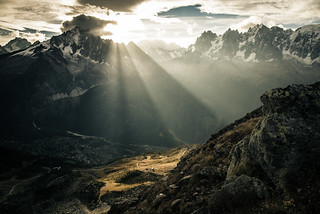
Chamonix - Brévent V


The Genesis of Chamonix
Chamonix-Mont-Blanc, commonly abbreviated to Chamonix, is far more than a picturesque alpine village; it is a commune steeped in history and defined by its dramatic geographical setting. Located in the Haute-Savoie department of southeastern France, its identity is inextricably linked to Mont Blanc, the imposing massif that crowns the Western European skyline. The town lies in a valley flanked by the rugged Aiguilles Rouges and the formidable Aiguille du Midi, creating a breathtaking natural amphitheater.
Historically, Chamonix began as a small agricultural settlement, but its potential for mountaineering and exploration was recognized early on. The establishment of the first tourist facilities in the 19th century marked the beginning of its transformation into a world-renowned destination. Its strategic location, bordering both Switzerland and Italy, has also contributed to its unique cultural and economic landscape, fostering a spirit of international exchange and adventure that continues to this day.
The 1924 Winter Olympics
The year 1924 etched Chamonix into the annals of sporting history as the host of the inaugural Winter Olympic Games. This monumental event was conceived to celebrate winter sports on an international scale, and Chamonix, with its pristine snowfields and challenging mountain terrain, was deemed the ideal venue. Athletes from 16 nations converged to compete in disciplines such as skiing, bobsleigh, ice hockey, and curling.
The games were a resounding success, not only showcasing the athletic prowess of the participants but also highlighting the spectacular beauty of the French Alps. The infrastructure developed for the Olympics, including the first Olympic ski jump and ice rink, laid the groundwork for Chamonix's future as a premier winter sports resort. The legacy of these games continues to inspire, serving as a testament to the town's enduring connection to the Olympic spirit and its capacity to host major international events.
The Allure of the Vallée Blanche and High-Alpine Pursuits
Chamonix is globally recognized as a mecca for alpinism and extreme skiing, largely due to iconic routes like the Vallée Blanche. This legendary off-piste descent is not a marked trail but a challenging journey across glaciers and snowfields, typically accessed via the Aiguille du Midi cable car, which ascends to an astonishing 3,842 meters (12,605 feet). The experience of skiing or snowboarding the Vallée Blanche offers unparalleled immersion in a wild, high-alpine environment, demanding advanced technical skills and often the accompaniment of a certified mountain guide.
Beyond this famous run, Chamonix serves as a critical base for climbers aiming for the summit of Mont Blanc and for those undertaking various mountaineering expeditions. The town's comprehensive network of lifts, guides, and specialized equipment providers ensures that adventurers of all levels can safely engage with the demanding, yet rewarding, alpine landscape.
Chamonix's Enduring Significance
The significance of Chamonix extends beyond its sporting achievements and natural beauty. It represents a unique intersection of culture, economy, and environmental stewardship. As one of France's oldest ski resorts, it has cultivated a distinct alpine culture, attracting a diverse population of locals, seasonal workers, and international visitors, all drawn by the mountains.
Economically, tourism, particularly adventure tourism, is the lifeblood of Chamonix, supporting a wide array of businesses from hotels and restaurants to gear shops and guiding services. However, this reliance on tourism also brings challenges, particularly concerning environmental sustainability. The impact of climate change on glaciers and snow cover, coupled with the pressures of mass tourism, necessitates ongoing efforts towards responsible management and conservation.
Chamonix thus stands as a compelling case study in balancing human activity with the preservation of fragile alpine ecosystems, making it a place of both profound natural wonder and critical contemporary relevance.
Go deeper
Frequently Asked Questions
What is Chamonix and where is it located?+
Why is Chamonix famous for winter sports?+
How can people reach the top of Aiguille du Midi?+
What is the Vallée Blanche and why is it special?+
Why do climbers go to Chamonix?+
Based on content from Wikipedia · Licensed under CC BY-SA 4.0