

Ocean Giants in Trouble!
Images
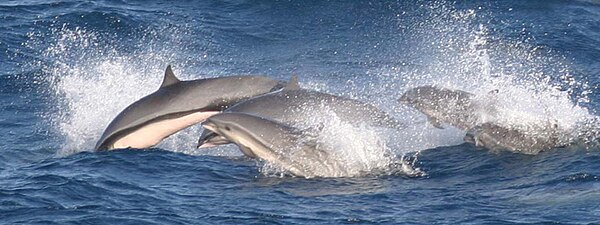
Cetacean bycatch
The Silent Toll
Cetacean bycatch refers to the incidental capture of cetaceans-dolphins, porpoises, and whales-in fishing gear intended for other species. This phenomenon is a significant anthropogenic threat to marine mammal populations worldwide. Bycatch occurs through two primary mechanisms: entanglement and direct capture.
Entanglement involves animals becoming ensnared in static gear like gillnets and driftnets, or dynamic gear such as trawls and longlines. Direct capture can happen when cetaceans are hooked or swim directly into nets. The scale of this problem is substantial, with estimates suggesting hundreds of thousands of cetaceans are caught annually across various fisheries.
This accidental capture is not merely an unfortunate event; it represents a critical conservation challenge, impacting the health and viability of marine ecosystems and the species within them.
Drivers of Escalation
The increasing intensity and frequency of cetacean bycatch are driven by a confluence of global trends. Human population growth directly correlates with increased demand for seafood, necessitating larger and more extensive fishing operations. As fisheries expand, they venture into previously less exploited marine territories, including deeper waters and areas that may serve as crucial habitats or migratory routes for cetaceans. Commercial fishing vessels engage in both direct and indirect interactions with cetaceans.
Direct interactions involve the physical entanglement or capture of animals in fishing gear. Indirect interactions are more insidious, stemming from the severe depletion of local fish populations by commercial fishing. This destabilizes the marine food web, forcing cetaceans to alter their foraging patterns, potentially bringing them into closer proximity with fishing activities or leading to malnutrition and increased vulnerability.
The commercialization and globalization of fisheries amplify these pressures, making bycatch a pervasive issue.
Ecological Ramifications and Conservation Challenges
The ecological consequences of cetacean bycatch are profound and far-reaching. Beyond the immediate mortality of individual animals, bycatch can significantly impact population dynamics, particularly for species with slow reproductive rates. For vulnerable or endangered cetaceans, even low levels of bycatch can impede recovery efforts and push them closer to extinction.
The loss of these apex predators and key marine mammals can have cascading effects throughout the food web, altering predator-prey relationships and ecosystem structure. Furthermore, bycatch can lead to chronic stress, injury, and reduced reproductive success in surviving animals. The challenge for conservationists lies in the complexity of the issue: it involves managing diverse fishing fleets, often operating in international waters, with varying regulations and enforcement capabilities.
Addressing bycatch requires a multi-faceted approach that considers the specific gear types, fishing practices, and the ecological needs of the cetacean populations affected.
Innovating for Coexistence
Mitigating cetacean bycatch necessitates a combination of technological innovation, regulatory reform, and collaborative efforts. Technological solutions include the development of 'whale-safe' fishing gear, such as acoustic deterrent devices (pingers) that warn cetaceans away from nets, modified net designs with escape panels, and time or area closures for certain fisheries during peak cetacean activity. Regulatory measures are crucial, involving the implementation of bycatch limits, mandatory reporting of bycatch incidents, and the adoption of best practices by fishing fleets.
International cooperation is vital, as many cetacean species migrate across national boundaries and are impacted by fisheries in multiple jurisdictions. Furthermore, engaging fishing communities directly in the development and implementation of mitigation strategies fosters buy-in and ensures practical, effective solutions. Research into cetacean behavior and distribution patterns is also key to identifying high-risk areas and times for bycatch, allowing for targeted conservation interventions.
The ultimate goal is to achieve a sustainable balance between fisheries and marine mammal conservation, ensuring the long-term health of both.
The Broader Picture
Cetacean bycatch is not an isolated problem but rather a symptom of broader challenges facing marine ecosystems. It is intrinsically linked to issues such as overfishing, habitat degradation, and climate change, all of which place immense pressure on marine life. The economic realities of commercial fishing, coupled with the difficulty of monitoring vast ocean areas, create a complex landscape for effective management.
However, the growing awareness of bycatch's impact has spurred significant advancements in research and conservation. The development of ecosystem-based fisheries management approaches, which consider the interactions between different species and their environment, offers a promising framework for addressing bycatch comprehensively. Ultimately, tackling cetacean bycatch requires a global commitment to sustainable fishing practices and a deeper understanding of the intricate web of life in our oceans, recognizing that the health of marine mammals is a critical indicator of ocean health.
See also
Frequently Asked Questions
What is cetacean bycatch?+
How do dolphins and whales get caught in fishing gear?+
Why is bycatch a big problem for ocean giants?+
What causes more bycatch to happen?+
What can people do to help reduce bycatch?+
Based on content from Wikipedia · Licensed under CC BY-SA 4.0