

Cetacean
Images
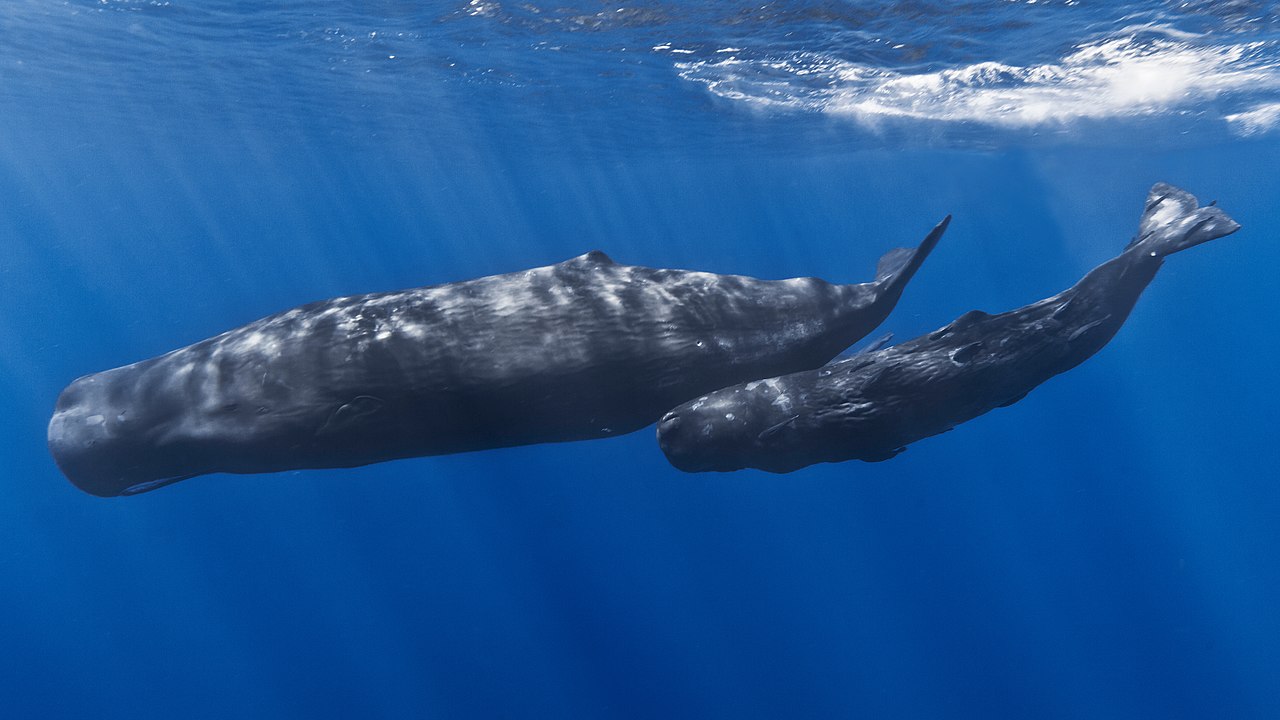
Cetacean


From Land to Sea
The order Cetacea represents one of the most dramatic examples of evolutionary adaptation, with these fully aquatic mammals having evolved from terrestrial, four-legged ancestors approximately 50 million years ago. Fossil evidence, such as the Pakicetus and Ambulocetus, reveals transitional forms that show the gradual adaptation to an aquatic lifestyle. Key evolutionary changes include the development of flippers from limbs, the modification of hind limbs into a fluke for propulsion, the development of a blowhole for efficient breathing at the surface, and physiological adaptations for deep diving, such as increased oxygen storage and tolerance for high pressure.
This remarkable transformation from land-dwelling artiodactyls (even-toed ungulates) to the diverse array of modern whales, dolphins, and porpoises is a testament to the power of natural selection in response to environmental pressures and opportunities.
Global Distribution and Habitat Specialization
Cetaceans exhibit an extraordinary global distribution, occupying virtually every marine and some freshwater environments. Their presence spans from the extreme cold of the polar oceans, where species like the bowhead whale and beluga whale are adapted to icy conditions, to the warm, nutrient-rich waters of the tropics and subtropics. Many species demonstrate remarkable migratory patterns, undertaking transoceanic journeys of thousands of kilometers to exploit seasonal food resources or to reach specific breeding grounds. Habitat specialization is evident, with some cetaceans preferring coastal waters, while others are pelagic, living in the deep open ocean.
The distribution of cetaceans is intricately linked to oceanographic features such as currents, upwelling zones, and prey availability, making them important indicators of ocean health.
Feeding Strategies
The feeding ecology of cetaceans showcases a remarkable spectrum of strategies, broadly categorized by their suborder. Odontocetes (toothed whales) are active predators, employing diverse hunting techniques. Species like orcas exhibit sophisticated cooperative hunting behaviors, targeting a wide range of prey including fish, seals, and even other cetaceans, with different ecotypes specializing in distinct prey. Sperm whales are renowned for their deep-diving capabilities, descending to depths of over 2,000 meters to hunt large squid.
Mysticetes (baleen whales) employ filter-feeding mechanisms on a grand scale. Baleen plates, made of keratin, efficiently strain vast volumes of water to capture small organisms like krill, copepods, and small schooling fish. The sheer volume of food consumed by large baleen whales, such as the blue whale, plays a significant role in marine nutrient cycling.
Cognitive Abilities, Communication, and Social Complexity
Cetaceans are widely recognized for their advanced cognitive abilities, complex social structures, and sophisticated communication systems. Large brain-to-body mass ratios, particularly in dolphins and killer whales, are indicative of high intelligence. Their communication involves a complex repertoire of vocalizations, including clicks, whistles, and pulsed sounds, used for echolocation, social interaction, and potentially abstract communication.
Humpback whale songs, with their intricate structure and regional dialects, are a prime example of complex acoustic behavior. Social organization varies from the transient, small pods of some orcas to the stable, large social groups of bottlenose dolphins. These social dynamics facilitate cooperative foraging, alloparenting, and mutual defense, underscoring their evolutionary success.
Conservation Challenges and Ecological Significance
Despite their adaptations, many cetacean populations face significant threats, leading to varied conservation statuses, with numerous species listed as Endangered or Vulnerable. Major anthropogenic pressures include historical whaling, bycatch in fishing gear, habitat degradation, pollution (chemical and noise), and the impacts of climate change on prey availability and distribution. As apex predators and large filter feeders, cetaceans play crucial roles in marine ecosystems.
They influence prey populations, contribute to nutrient cycling through their movements and waste products, and their presence is often indicative of healthy ocean environments. Effective conservation strategies require international cooperation, sustainable fisheries management, and mitigation of pollution to ensure the long-term survival of these magnificent marine mammals.
Go deeper
Frequently Asked Questions
What are cetaceans?+
How did cetaceans change from land animals to sea animals?+
Where can you find cetaceans?+
How do toothed and baleen whales eat?+
Why are cetaceans considered smart and social?+
Based on content from Wikipedia · Licensed under CC BY-SA 4.0