

Cetacea: Amazing Ocean Giants!
Images

Cetacea



Evolutionary Roots and Diversification
The order Cetacea represents a remarkable evolutionary journey from terrestrial artiodactyls (even-toed ungulates) to fully aquatic mammals. Fossil evidence, such as Ambulocetus and Pakicetus, illustrates transitional forms that showcase the gradual adaptation to marine life over approximately 50 million years. Key evolutionary steps included the development of a fluke for propulsion, the repositioning of nostrils to form a blowhole for efficient respiration at the surface, and the modification of forelimbs into flippers for steering.
This transition involved significant physiological changes, including adaptations for diving, osmoregulation in saltwater, and enhanced sensory systems for underwater perception. The diversification into two suborders, Odontoceti (toothed whales) and Mysticeti (baleen whales), reflects distinct feeding strategies and evolutionary pathways.
Global Distribution and Ecological Niches
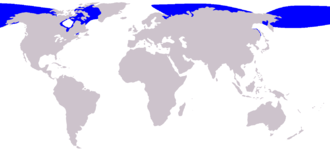
Cetaceans occupy nearly every marine and some freshwater habitats globally, playing crucial roles within their ecosystems. Their distribution is governed by factors such as oceanographic conditions, prey availability, and reproductive cycles, leading to complex migration patterns for many species. Baleen whales often undertake long seasonal migrations between feeding grounds in colder, nutrient-rich waters and breeding grounds in warmer, shallower seas.
Toothed whales, including dolphins and porpoises, exhibit more varied distributions, with some species being resident in specific coastal areas while others are pelagic. As apex predators or significant consumers of lower trophic levels, cetaceans influence the structure and dynamics of marine food webs, making them vital indicators of ocean health and biodiversity.
Feeding Strategies
The feeding ecology of cetaceans is broadly divided between the predatory strategies of Odontoceti and the filter-feeding mechanisms of Mysticeti. Toothed whales employ a diverse range of hunting techniques, from solitary pursuit to cooperative herding, utilizing their dentition for grasping prey such as fish, squid, and other marine vertebrates. Many toothed whales also utilize echolocation, a sophisticated biological sonar system, to detect and track prey in low-visibility conditions.
Baleen whales, conversely, have evolved specialized baleen plates, made of keratin, to filter enormous volumes of water for small organisms like krill, copepods, and small schooling fish. The sheer scale of filter feeding, particularly by large mysticetes like the blue whale, has a significant impact on plankton populations and nutrient cycling within marine environments.
Physiological Adaptations and Sensory Acuity
Cetaceans exhibit extraordinary physiological adaptations for marine life. Their streamlined bodies minimize drag, while specialized respiratory systems allow for prolonged dives. The blowhole, located dorsally, facilitates rapid exhalation and inhalation at the surface.
Adaptations for deep diving include efficient oxygen storage in muscles and blood, a collapsible rib cage to prevent lung collapse, and a countercurrent heat exchange system to conserve body heat. Sensory systems are highly developed; toothed whales rely on echolocation for navigation and foraging, while both suborders possess acute hearing capable of detecting a wide range of frequencies, crucial for communication and environmental awareness in the ocean. Social behavior is often complex, involving intricate communication systems and cooperative activities.
Conservation Challenges and Future Outlook
Despite their resilience, many cetacean populations face significant threats from human activities. Historical whaling drastically reduced populations of many large whale species. Modern threats include entanglement in fishing gear, ship strikes, habitat degradation, noise pollution from sonar and seismic surveys, and the impacts of climate change on prey distribution and oceanographic conditions.
Pollution, particularly plastic debris and chemical contaminants, poses a serious risk to cetacean health and reproduction. Conservation efforts focus on reducing bycatch, establishing marine protected areas, mitigating noise pollution, and addressing climate change. The conservation status of cetaceans varies widely, with many species listed as Endangered or Vulnerable, underscoring the urgent need for continued research and protective measures.
Go deeper
Frequently Asked Questions
What are cetaceans and why are they called ocean giants?+
How did whales and dolphins evolve from land animals to living in the sea?+
What is the difference between toothed whales and baleen whales?+
How do whales breathe when they are underwater?+
Why are whales important for the ocean environment?+
Based on content from Wikipedia · Licensed under CC BY-SA 4.0