

Cayman Islands
Images

Cayman Islands




Opens Google Maps in new tab
Geographic Context and Island Formations
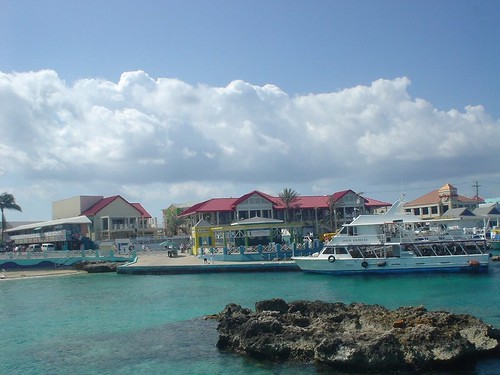
The Cayman Islands constitute the largest of the British Overseas Territories by population, strategically located in the western Caribbean Sea. Geographically, they are considered part of the Greater Antilles and the Western Caribbean zone, situated south of Cuba and northeast of Honduras, between Jamaica and Mexico's Yucatán Peninsula. The territory comprises three distinct islands: Grand Cayman, the largest and most populous; Cayman Brac; and Little Cayman.
These islands are the exposed peaks of the Cayman Ridge, an underwater mountain range. Their relatively small landmass of 264 square kilometers (102 square miles) belies their significant global influence. The climate is tropical marine, characterized by warm temperatures year-round, with distinct wet and dry seasons, fostering lush vegetation and supporting a rich biodiversity, particularly in its surrounding coral reef systems.
A Tapestry of Peoples and Governance
The Cayman Islands boast a remarkably diverse population, with residents hailing from over 140 countries and territories. This multiculturalism is a defining characteristic, creating a vibrant social fabric and influencing the islands' unique identity. English is the official language, though a local dialect and other languages are spoken due to the significant expatriate community.
As a self-governing British Overseas Territory, the Cayman Islands possess a parliamentary democracy under a constitutional monarchy. While the UK retains responsibility for defense and external affairs, the islands manage their internal governance, including legislative, executive, and judicial branches. The capital, George Town on Grand Cayman, serves as the administrative and economic heart, reflecting the territory's blend of British heritage and Caribbean dynamism.
The Engine of Offshore Finance
The global prominence of the Cayman Islands is inextricably linked to its status as a leading offshore financial center. This reputation is built upon a sophisticated legal and regulatory framework that attracts significant international business and investment. Key to its appeal are the absence of direct taxation, including income, corporate, and capital gains taxes, coupled with robust financial secrecy laws (though these have evolved with international pressure for transparency).
This fiscal environment has propelled the Cayman Islands to achieve one of the highest GDP per capita figures globally, standing at US$97,750 in 2023. This economic success supports a high standard of living and funds extensive public services, making it a critical node in the global financial network.
Economic Pillars
The economy of the Cayman Islands is predominantly driven by two major sectors: financial services and tourism. The financial services industry encompasses a wide range of activities, including investment funds, insurance, banking, and trusts, making it a vital hub for global capital flows. Tourism is another cornerstone, attracting visitors with its world-renowned diving sites, pristine beaches like Seven Mile Beach, and luxury resorts.
The islands' commitment to environmental preservation is crucial for sustaining both its natural appeal and its tourism industry. While these two sectors dominate, efforts are also being made to diversify the economy, fostering growth in areas like technology and sustainable development, aiming for long-term economic resilience.
Education and Social Infrastructure
The Cayman Islands places a strong emphasis on education, striving to provide high-quality learning opportunities for its diverse population. The education system is structured similarly to that of the UK and the United States, with public and private schools available. The Ministry of Education oversees the public school system, which includes primary and secondary levels.
Higher education is accessible through local institutions like the University College of the Cayman Islands (UCCI), which offers associate's, bachelor's, and master's degrees, often in partnership with international universities. Many students also pursue further studies abroad, particularly in the UK, Canada, and the US, often supported by government scholarships. This focus on education is vital for maintaining the skilled workforce required by its advanced financial sector and for fostering a well-informed citizenry.
Go deeper
Frequently Asked Questions
What are the Cayman Islands and where are they located?+
Why are the Cayman Islands famous for money?+
How many islands make up the Cayman Islands?+
What can kids see and do in the Cayman Islands?+
Who runs the Cayman Islands government?+
Based on content from Wikipedia · Licensed under CC BY-SA 4.0