

Caving: Exploring Underground Worlds!
Images

Caving



Geological Processes and Cave Formation
Caving is intrinsically linked to geology, primarily focusing on the formation and characteristics of subterranean voids. The vast majority of caves are formed through dissolutional processes in soluble bedrock, most commonly limestone (calcium carbonate). This process, known as karstification, begins with atmospheric carbon dioxide dissolving in rainwater to form carbonic acid.
As this slightly acidic water percolates through the ground and into bedrock fractures, it slowly dissolves the rock along bedding planes, joints, and faults. Over geological timescales, this dissolution can enlarge these initial openings into passages, chambers, and complex cave systems. The rate of formation is influenced by factors such as rock solubility, water chemistry, fracture density, and the hydrological regime.
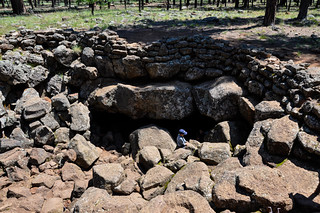
Other cave types exist, including lava tubes formed by volcanic activity, sea caves carved by wave action, and talus caves formed by fallen rock, each offering distinct geological insights.
Historical and Anthropological Significance of Caves
Caves have played a profound role throughout human history, serving as crucial sites for shelter, ritual, and artistic expression. Early hominids likely utilized caves for protection from predators and the elements, and archaeological evidence from cave sites has provided invaluable insights into human evolution and behavior. Paleolithic cave art, such as that found in Lascaux and Chauvet caves in France, offers a window into the symbolic and cognitive abilities of our ancient ancestors.
Beyond prehistoric use, caves have served as hiding places during conflict, sites for religious ceremonies, and even as early sources of raw materials. The study of human artifacts and remains within caves, a subfield of archaeology, continues to expand our understanding of past societies and their interaction with these natural environments.
Biodiversity and Ecological Niches in Subterranean Realms
Cave ecosystems represent unique and often highly specialized environments characterized by perpetual darkness, stable temperatures, high humidity, and limited nutrient input. These conditions have driven the evolution of remarkable biodiversity, including numerous obligate cave dwellers, or troglobites, which exhibit extreme adaptations. These adaptations often include loss of pigmentation and eyes, enhanced non-visual sensory systems (chemoreception, mechanoreception), and reduced metabolic rates.
Examples include blind cavefish, unique invertebrate species, and specialized amphibians. Caves also serve as critical habitats for facultative cave dwellers (troglophiles) and transient visitors (trogloxenes), such as bats, which utilize caves for roosting, hibernation, or breeding, contributing significantly to the cave's nutrient cycling through guano deposition. The fragility of these ecosystems makes them highly susceptible to surface-level environmental changes and human disturbance.
Modern Caving
Contemporary caving encompasses a wide range of activities, from recreational exploration and sport caving to scientific research and conservation efforts. Modern cavers utilize advanced equipment and techniques, including ropes, harnesses, and sophisticated lighting systems, to access previously unreachable cave passages. This exploration contributes to the mapping and understanding of subterranean hydrology, geology, and biology.
Scientific speleology involves disciplines such as hydrology, geology, biology, and archaeology, using caves as natural laboratories. Conservation is a critical aspect, as caves are fragile environments easily damaged by pollution, vandalism, and excessive human traffic. Organizations dedicated to caving often promote ethical practices, including Leave No Trace principles, and engage in efforts to protect cave resources.
Furthermore, cave systems are vital for understanding groundwater resources and can serve as indicators of surface environmental health.
The Future of Caving
The future of caving involves balancing the thrill of exploration with the imperative of conservation. As accessible caves become well-documented, the focus shifts towards more challenging, remote, or technically demanding systems, often requiring specialized training and equipment. Scientific research continues to uncover new species, geological processes, and historical insights within caves, highlighting their importance for understanding Earth's systems and history.
However, challenges remain, including the impact of climate change on cave hydrology and ecosystems, the threat of pollution from surface activities, and the need for responsible tourism management in popular cave sites. Technological advancements, such as remote sensing and improved underwater exploration gear, will likely open new frontiers. Ultimately, the future of caving hinges on fostering a deep respect for these unique environments and ensuring their preservation for both scientific discovery and future generations of explorers.
Go deeper
Frequently Asked Questions
What is a cave and how does it form?+
Why do some caves have special animals like blind fish?+
How do people explore caves safely?+
Where can we find the oldest cave paintings?+
Why is it important to protect caves?+
Based on content from Wikipedia · Licensed under CC BY-SA 4.0