

Carrie Fisher
Images

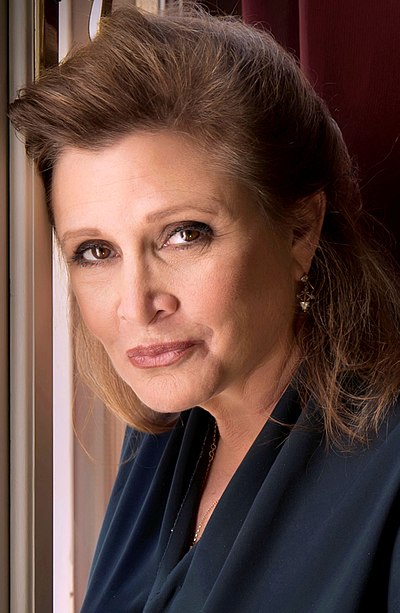
Carrie Fisher 2013 cropped pose




From Space Princess to Cultural Phenomenon
Carrie Fisher's indelible mark on popular culture began with her portrayal of Princess Leia Organa in George Lucas's groundbreaking 1977 film, 'Star Wars.' Leia was a departure from typical female characters of the era, embodying strength, intelligence, and resilience. Fisher’s performance, often delivered with a dry wit that would become her trademark, cemented Leia as a feminist icon and a crucial figure in the Star Wars universe.
She reprised the role across multiple films, including 'The Empire Strikes Back,' 'Return of the Jedi,' and later in the sequel trilogy with 'The Force Awakens,' 'The Last Jedi,' and 'The Rise of Skywalker,' demonstrating a remarkable longevity and connection with audiences across generations. Her presence in these films wasn't just about nostalgia; it was about continuing to inspire with a character who navigated complex political landscapes and personal tragedies with unwavering resolve.
The Art of the Written Word
Fisher's literary career showcased a profound talent for introspection and sharp social commentary. Her debut novel, 'Postcards from the Edge' (1987), a semi-autobiographical work exploring themes of addiction and recovery, garnered critical acclaim and was adapted into a successful film for which she received a BAFTA nomination for Best Adapted Screenplay. This was followed by her highly successful one-woman stage show, 'Wishful Drinking,' which she later adapted into a book and a Primetime Emmy nominated special.
Fisher’s writing was characterized by its unflinching honesty, dark humor, and a unique ability to find levity in difficult experiences. She tackled subjects like mental illness, substance abuse, and family dynamics with a vulnerability that resonated deeply, making her a literary voice that challenged conventions and offered solace to many.
Hollywood's Secret Weapon
Beyond her on-screen and literary achievements, Carrie Fisher was a highly respected and sought-after script doctor in Hollywood. Her keen eye for narrative structure, character development, and dialogue made her an indispensable asset to numerous film productions. Entertainment Weekly noted her in 1992 as 'one of the most sought-after doctors in town.' She contributed to the polish of major films such as Steven Spielberg's 'Hook,' the popular comedies 'Sister Act' and 'The Wedding Singer,' and even worked on scripts within the Star Wars franchise itself.
Fisher's ability to diagnose and fix narrative problems, often under tight deadlines, underscored her deep understanding of filmmaking and storytelling, solidifying her reputation as a master craftsman behind the scenes.
Advocacy and Enduring Influence
Carrie Fisher courageously used her public platform to advocate for mental health awareness and destigmatize conversations around addiction and bipolar disorder. Her openness about her own struggles demystified these conditions for millions, empowering individuals to seek help and fostering a more compassionate societal dialogue. Her profound bond with her mother, legendary actress Debbie Reynolds, was poignantly captured in the documentary 'Bright Lights: Starring Carrie Fisher and Debbie Reynolds.' Fisher's posthumous recognition, including being named a Disney Legend and receiving a Grammy Award for Best Spoken Word Album for 'The Princess Diarist,' alongside a star on the Hollywood Walk of Fame, underscores her lasting impact.
She remains a symbol of resilience, creativity, and the power of authentic self-expression.
See also
Frequently Asked Questions
Who was Carrie Fisher?+
What character did she play in Star Wars?+
What books did she write?+
Did she help other movies as a script doctor?+
Did she talk about mental health?+
Based on content from Wikipedia · Licensed under CC BY-SA 4.0