

Carinthia: Land of Mountains and Lakes!
Images

Carinthia Statistical Region in Slovenia


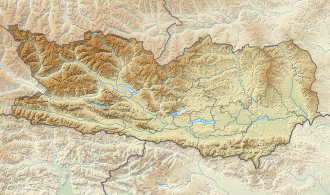





Geographical Identity
Carinthia, or Kärnten, occupies a pivotal position in the southeastern part of Austria, deeply embedded within the Eastern Alps. Its geography is defined by a dramatic interplay of towering mountain ranges, such as the Carnic Alps and the Karawanks, and numerous glacial lakes, with the Wörthersee being the most famous. This landscape not only shapes its natural beauty and tourism appeal but also influences its climate, which ranges from continental in the valleys to alpine at higher elevations.
The state's location has historically made it a crossroads between Germanic and Slavic cultures, as well as a strategic passage between Central Europe and the Adriatic. The presence of high-altitude lakes like Lake Wolayer, situated on the Carnic Main Ridge, underscores the region's rugged alpine character and its potential for both natural resource utilization and extreme sports tourism. The state's relatively low population density is a direct consequence of its challenging mountainous terrain, with settlements concentrated in valleys and around the major lakes.
Historical Evolution
Carinthia boasts a long and complex history, dating back to the Slavic principality of Carantania in the early Middle Ages. It later became a powerful Duchy within the Holy Roman Empire, playing a significant role in regional politics. Over centuries, Carinthia experienced shifts in power, including periods under Habsburg rule and influences from neighboring Bavaria and Venice.
The 20th century brought profound changes, particularly following World War I, with territorial disputes and plebiscites that affirmed its status within Austria, though a significant Slovene minority remained. This historical context is crucial for understanding the region's cultural mosaic and its enduring identity. The legacy of its ducal past and its position on historical trade routes continue to inform its cultural landscape and its relationship with both Austria and its neighbors.
Cultural Dynamics
The cultural fabric of Carinthia is woven from threads of both German and Slovene heritage. While German, specifically Southern Bavarian dialects, is the predominant language, Carinthian Slovene dialects represent a vital linguistic minority. The historical presence of Slovene speakers, particularly in the southeastern parts of the state, has fostered a unique bilingualism and a distinct cultural identity.
This coexistence has sometimes been a source of tension but also enriches the region's traditions, music, and festivals. The people of Carinthia are known for their strong connection to their homeland, their agricultural roots, and their appreciation for the natural environment. This deep-seated regional pride is evident in local customs and the preservation of both linguistic and cultural heritage, making Carinthia a fascinating case study in minority rights and cultural integration within a larger nation-state.
Economic Landscape
Carinthia's economy is characterized by a strategic diversification that leverages its natural assets while embracing technological advancement. Historically reliant on forestry and agriculture, the state has successfully transitioned into a modern economic powerhouse. Key sectors include a robust tourism industry, drawn by the allure of its alpine scenery and pristine lakes, providing significant employment and revenue.
Furthermore, Carinthia has established itself as a leader in electronics and engineering, hosting numerous innovative companies that contribute to Austria's reputation for high-quality manufacturing and technological development. This dual focus allows Carinthia to capitalize on its natural beauty for leisure and recreation while simultaneously fostering high-tech industries that drive economic growth and create skilled employment opportunities for its population.
Governance and Education
Carinthia operates under Austria's federal system, with its own state parliament (Landtag) and government headed by a Governor (Landeshauptmann). This structure allows for regional autonomy in managing affairs such as education, culture, and infrastructure, while adhering to national laws. The state government plays a crucial role in promoting economic development, preserving cultural heritage, and ensuring the well-being of its citizens.
Educationally, Carinthia provides a comprehensive system from primary schools to higher education institutions, including the University of Klagenfurt. Special attention is given to supporting the linguistic minority through bilingual education programs where applicable, reflecting the state's commitment to inclusivity. This framework ensures that Carinthians receive quality education and are actively involved in the governance of their unique alpine region.
Go deeper
Frequently Asked Questions
What is Carinthia and where is it located?+
Why are the lakes in Carinthia so special?+
How do people in Carinthia speak?+
What can you do in Carinthia for fun?+
Why is Carinthia a crossroads between cultures?+
Based on content from Wikipedia · Licensed under CC BY-SA 4.0