

Caracas: Venezuela's Amazing Capital!
Images
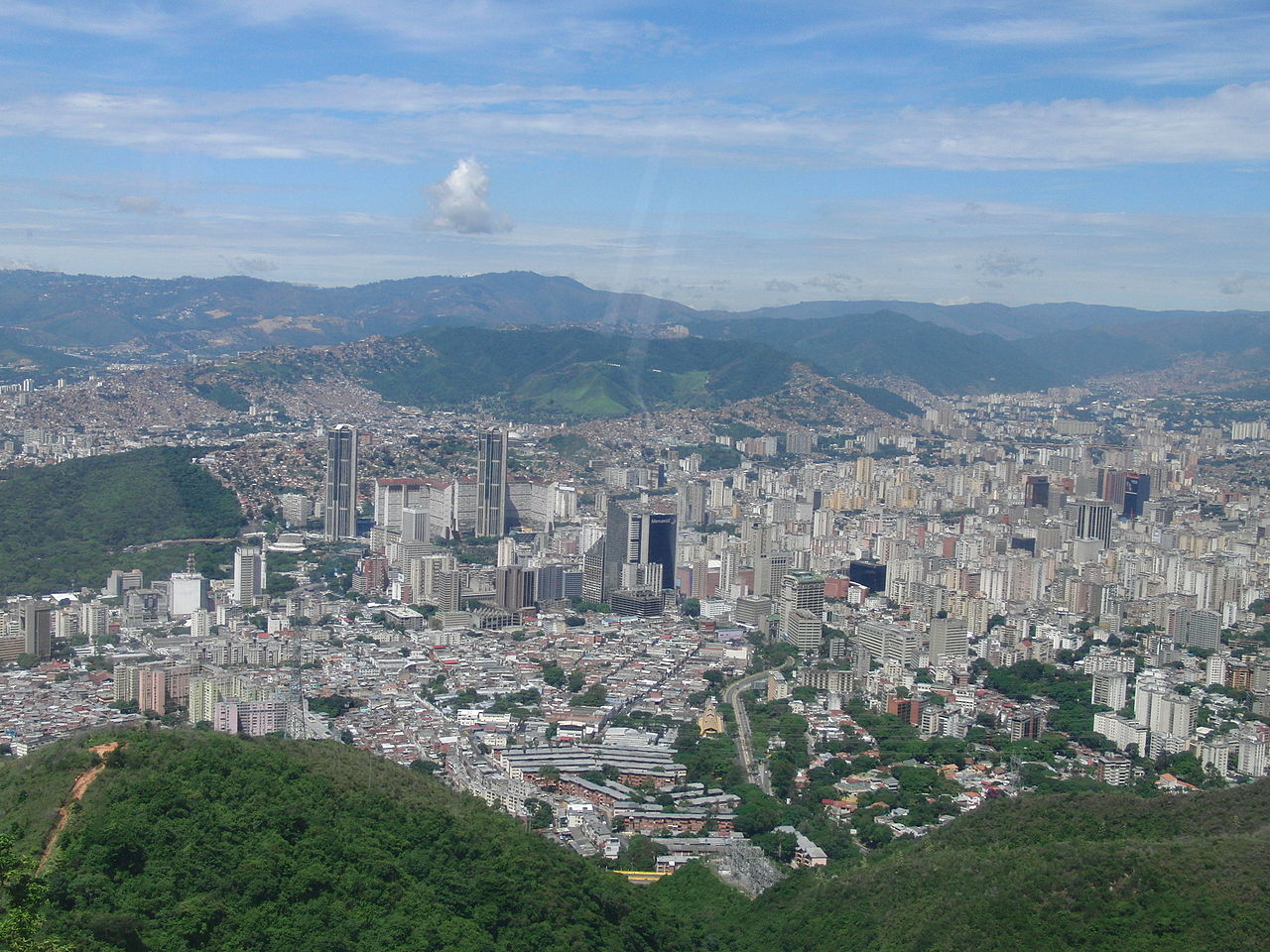
Caracas


Geographical Determinants and Urban Morphology
Caracas, the capital and largest city of Venezuela, occupies a unique geographical position within a narrow, high-altitude valley of the Venezuelan Coastal Range, approximately 9 kilometers (5.6 miles) inland from the Caribbean Sea. This valley, known as the Caracas Valley, is flanked by the imposing peaks of the Avila Massif to the north, which forms part of the Henri Pittier National Park, and the smaller peaks of the Serranía del Bahareque to the south.
The city's elevation averages around 900 meters (3,000 feet) above sea level, contributing to its relatively mild tropical climate despite its proximity to the equator. The Guaire River, a significant tributary of the Tuy River, flows through the valley, historically posing challenges for urban development due to flooding, leading to extensive channeling and infrastructure projects. This dramatic topography has profoundly shaped Caracas's urban morphology, creating distinct zones and influencing transportation networks, while the surrounding mountains provide a stunning, albeit sometimes isolating, natural boundary.
Historical Trajectory
Caracas was founded on July 25, 1567, by Spanish conquistador Diego de Losada, who named it Santiago de León de Caracas. Initially established as an agricultural center, its strategic location facilitated its growth into a provincial capital. The city played a pivotal role in Venezuela's struggle for independence from Spain, serving as the birthplace of Simón Bolívar, the liberator.
Throughout the 19th and 20th centuries, Caracas experienced significant population growth and urban expansion, fueled by oil revenues. This period saw the construction of modern infrastructure, universities, and public buildings, transforming it from a colonial town into a bustling 20th-century metropolis. The city's history is marked by periods of political upheaval, economic booms and busts, and significant social change, all of which have contributed to its complex identity and the diverse fabric of its population, which includes descendants of indigenous peoples, Spanish colonizers, African slaves, and later waves of European and Middle Eastern immigrants.
Cultural Tapestry
Caracas is a vibrant cultural hub, characterized by its dynamic arts scene and rich culinary traditions. The city is renowned for its public art, with numerous murals and sculptures adorning its streets and plazas, reflecting a strong tradition of street art and social commentary. Galleries and museums, such as the Museo de Bellas Artes and the Museo de Arte Contemporáneo de Caracas, showcase a wide range of Venezuelan art. Music is integral to the city's life, with diverse genres from traditional folk music to contemporary Latin beats permeating public spaces and venues.
Venezuelan cuisine in Caracas is a flavorful fusion, with iconic dishes like arepas, empanadas, and pabellón criollo representing the blend of indigenous, European, and African influences. The social dynamics of Caracas are complex, marked by a strong sense of community alongside significant socioeconomic disparities. The resilience and warmth of its people are often highlighted, contributing to a lively and engaging urban experience, particularly during its numerous festivals and celebrations.
Economic Engine and Governance Framework
As the political and economic epicenter of Venezuela, Caracas hosts the seat of the federal government, including the presidential palace (Miraflores Palace), the National Assembly, and the Supreme Tribunal of Justice. The economy of Caracas is heavily reliant on the service sector, including finance, commerce, and telecommunications, though it also retains industrial and manufacturing capabilities. Historically, the city's economic fortunes have been closely tied to Venezuela's oil industry, which has profoundly influenced its development and infrastructure.
The official currency is the Venezuelan bolívar (VES). Caracas is also a major educational center, home to prestigious institutions like the Central University of Venezuela (Universidad Central de Venezuela), a UNESCO World Heritage site, and Simón Bolívar University, which play crucial roles in research, innovation, and the training of the nation's professional workforce. The city's infrastructure, including its extensive public transportation system (Metro de Caracas), aims to support its large and active population.
Go deeper
Frequently Asked Questions
What is Caracas and where is it located?+
Why are the mountains important to Caracas?+
How did Caracas become a big city?+
What kinds of art and food can you see in Caracas?+
Who was born in Caracas that helped Venezuela become independent?+
Based on content from Wikipedia · Licensed under CC BY-SA 4.0