

Caneworking: Magical Glass Stripes!
Images
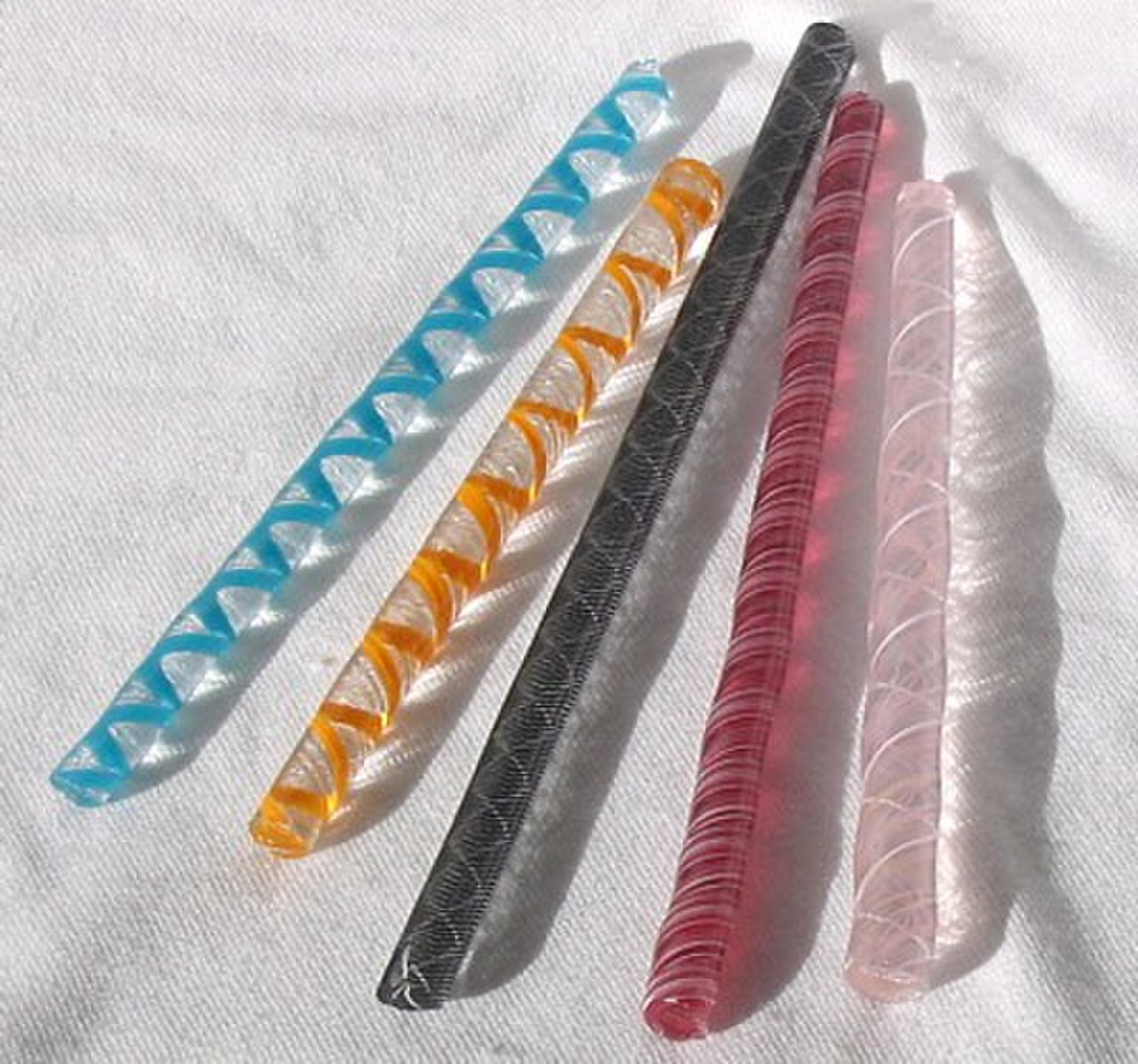
Caneworking
The Genesis and Evolution of Glass Cane
Caneworking, the practice of creating and utilizing rods of colored glass, boasts a lineage stretching back to antiquity. Its origins are firmly placed in southern Italy during the latter half of the 3rd century BC, a period marked by significant advancements in glass manipulation. This foundational technique was later meticulously developed and refined on the island of Murano, near Venice, which became a global epicenter for glass artistry.
For centuries, Murano's glassmakers guarded their secrets, elevating caneworking to an unparalleled level of sophistication. The complexity of cane designs evolved from simple monochromatic rods to intricate patterns featuring multiple colors, achieved through precise layering and manipulation of molten glass. This historical trajectory highlights not just the technical progression but also the cultural significance of glassmaking, with Murano's canework becoming synonymous with luxury and artistic mastery.
From Rods to Patterns
The application of cane in glassblowing is a nuanced process that imbues glass objects with intricate visual narratives. The cane itself, a rod of glass containing color, can range from a single hue to a complex matrix of interwoven colors and patterns. In the context of glassblowing, pieces of this cane are applied lengthwise to the surface of a hot, pliable glass vessel.
As the glassblower continues to shape the object, the heat causes the cane to melt and fuse seamlessly with the main body of the glass. This integration allows for the creation of dynamic designs, often appearing as elegant spirals, sharp stripes, or delicate filigree. The success of this technique relies on the delicate balance between the temperature of the cane, the molten glass object, and the skill of the artisan to control the melting and stretching processes without distorting the intended pattern.
Murrine and Millefiori
Beyond direct application as rods, caneworking is fundamental to the creation of murrine and the celebrated millefiori technique. Murrine are produced by slicing the patterned cane into thin cross-sectional discs. Each disc reveals the internal design of the cane, acting as a miniature mosaic tile.
These murrine are then carefully arranged on the surface of hot glass and fused, creating complex mosaic patterns. Millefiori, translating to 'thousand flowers,' represents a pinnacle of this art. It involves the meticulous arrangement of numerous murrine, each designed to display a floral or star-like motif in its cross-section.
When fused together within a glass piece, these elements coalesce to form dense, captivating patterns reminiscent of a vibrant floral tapestry. This expansion of caneworking demonstrates its versatility and capacity for creating highly detailed and visually stunning glass art.
The Enduring Relevance of Caneworking
The enduring appeal of caneworking lies in its ability to imbue glass with a depth of color and pattern that remains captivating. While its historical roots are ancient, the techniques developed centuries ago continue to be practiced and innovated upon by contemporary glass artists. In modern studios, caneworking is not merely a replication of historical methods but a vibrant medium for artistic expression.
Artists utilize these techniques to create everything from functional tableware with unique decorative elements to large-scale sculptural installations. The inherent beauty of patterned glass, achieved through the careful manipulation of colored rods and slices, ensures that caneworking remains a vital and respected discipline within the global art glass community, bridging the gap between historical craftsmanship and cutting-edge design.
See also
Frequently Asked Questions
What is caneworking?+
Where did caneworking start?+
How do glassblowers add stripes to glass?+
What are murrine and millefiori?+
Why do artists still use caneworking today?+
Based on content from Wikipedia · Licensed under CC BY-SA 4.0