

Bullet-Proof Glass: The Super Shield!
Images

Cevrolet Dmax Blindado antibalas bullet proof armored ballistic blindage panzer orazzando, armiranje, titnik, blind, gepantserd, loricato, bepensrad , mbrojtur, amerad, blinduar, geranzerten, blinde, harnas, rustning, armure, pancel, acorazado, armature



The Architecture of Defense
Bullet-resistant glazing is a sophisticated composite material engineered to withstand ballistic threats. Its construction involves the precise lamination of multiple layers, typically alternating between annealed glass and high-strength polymers like polyvinyl butyral (PVB) or polycarbonate. The glass layers provide structural rigidity and initial impact resistance, initiating the process of fracturing and energy dissipation.
However, it is the intervening polymer layers that are crucial for absorbing the projectile's kinetic energy. Polycarbonate, known for its exceptional impact strength and flexibility, is particularly effective. As a bullet penetrates, it deforms the polymer layers, causing them to stretch and absorb the energy through plastic deformation.
This process effectively slows and stops the projectile, often flattening it within the composite structure. The specific combination, thickness, and sequence of these layers are meticulously designed and tested to meet various ballistic resistance standards, such as those set by the National Institute of Justice (NIJ), which classify protection levels against different types of ammunition and firearms.
Genesis of Security Glass
The foundational principle of bullet-resistant glass traces back to Edouard Benedictus's accidental discovery of laminated glass in 1903. While working with cellulose nitrate, he observed that a dropped glass container did not shatter completely, retaining its form due to the dried plastic film. This led to the patenting of laminated glass, initially intended to improve safety by preventing glass from breaking into dangerous shards.
Early applications focused on automotive windshields and architectural glass where impact resistance was paramount. As firearms technology advanced, so did the demand for enhanced security glazing. Manufacturers began experimenting with thicker glass, stronger interlayer materials, and more complex layering techniques.
This evolution transformed simple laminated glass into specialized security glazing capable of defeating increasingly powerful ballistic threats, moving from basic impact resistance to sophisticated projectile interception.
The Indispensable Role of Bullet-Resistant Glazing in Modern Security Frameworks
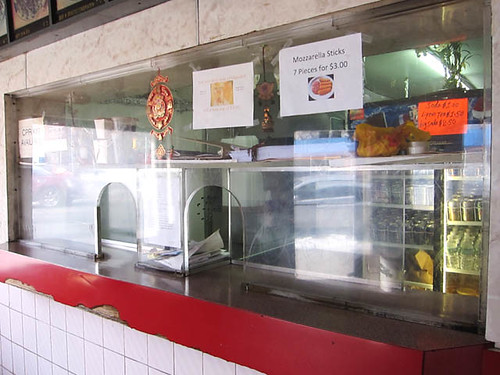
Bullet-resistant glazing is an indispensable component of contemporary security infrastructure, serving critical protective functions across diverse sectors. In financial institutions, it forms a vital barrier in teller stations and secure areas, mitigating risks associated with armed robberies and protecting personnel. Law enforcement and military applications include armored vehicles, tactical shelters, and secure facilities where personnel operate in high-threat environments. Government buildings, embassies, and critical infrastructure sites utilize this glazing to safeguard officials and sensitive information.
Furthermore, it is increasingly employed in high-risk civilian settings, such as luxury residences, executive offices, and public transportation hubs, providing a tangible deterrent and a crucial layer of defense against violent crime and terrorism. Its ability to absorb ballistic impact without catastrophic failure contributes significantly to maintaining operational continuity and ensuring the safety of occupants.
Ballistic Performance
The performance of bullet-resistant glass is governed by fundamental principles of physics, specifically the transfer and dissipation of energy. When a projectile impacts the glazing, its high kinetic energy is subjected to a series of energy-absorbing mechanisms. The initial impact on the outer glass layer causes localized stress and fracturing, which begins to decelerate the projectile.
As the bullet progresses through the polymer interlayers, its energy is converted into work done to deform the material. This plastic deformation of the polymer, particularly polycarbonate, is a highly effective energy absorption process. The layered structure ensures that the bullet's momentum is gradually reduced across multiple interfaces.
The final layers act as a containment system, preventing penetration and often capturing the deformed projectile. The effectiveness is quantified by the 'residual velocity' of the projectile after impact; successful resistance means the velocity is reduced to zero or below a critical threshold, ensuring no breach of the barrier.
Beyond Bullets
While primarily known for ballistic resistance, the advanced materials and construction techniques used in bullet-resistant glazing have applications beyond firearms. These materials can offer enhanced protection against forced entry, blast resistance, and even acoustic insulation. The ongoing development focuses on creating lighter, thinner, and more transparent solutions without compromising security. Research into novel polymers, advanced ceramic composites, and smart materials that can dynamically alter their properties upon impact is paving the way for next-generation security glazing.
Furthermore, integration with other smart technologies, such as embedded sensors for threat detection or communication systems, represents a future trend in creating more comprehensive security solutions. The goal is to provide robust protection that is less obtrusive and more adaptable to evolving security challenges.
See also
Frequently Asked Questions
What is bullet-proof glass and how does it stop bullets?+
Why do bullet-proof windows have many layers of glass and plastic?+
How did people first discover that glass could be safer?+
Where is bullet-proof glass used today?+
What makes polycarbonate special in bullet-proof glass?+
Based on content from Wikipedia · Licensed under CC BY-SA 4.0