

Beetles: The Amazing Armored Insects!
Images
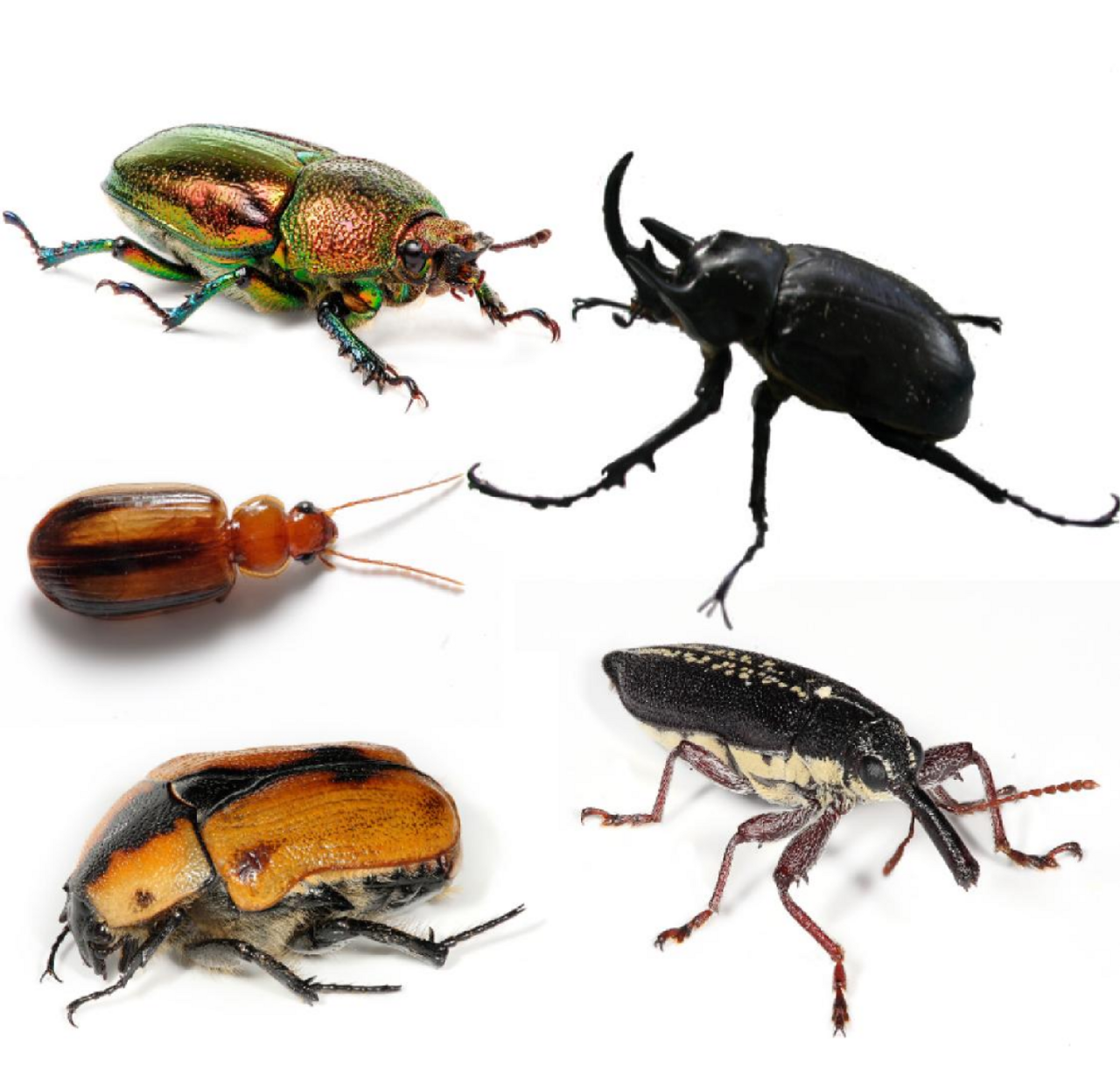
Beetle
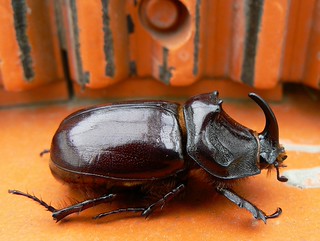


The Unrivaled Dominance of Coleoptera
The order Coleoptera represents the most speciose and ecologically diverse group of organisms on Earth, a testament to millions of years of evolutionary innovation. With an estimated 400,000 described species, beetles constitute approximately 40% of all known insect species and a quarter of all described animal life. This staggering diversity is attributed to a combination of factors, including the development of hardened forewings (elytra) that provide exceptional protection and enable flight, a robust exoskeleton, and a high degree of adaptability to varied environmental pressures.
Their evolutionary journey has led them to colonize virtually every terrestrial and freshwater habitat, from the deepest caves to the highest mountains, and from arid deserts to humid rainforests. This broad ecological amplitude has allowed for extensive adaptive radiation, resulting in an astonishing array of forms, sizes, and lifestyles, making beetles a model group for studying evolutionary processes and biodiversity.
Ecological Roles
Beetles perform an array of indispensable ecological functions that underpin the stability and health of ecosystems worldwide. As decomposers, particularly wood-boring and dung beetles, they are critical for nutrient cycling, breaking down complex organic matter and returning vital elements to the soil, thereby supporting plant productivity. Many beetles are significant pollinators, contributing to the reproductive success of numerous plant species, though often overlooked in favor of bees and butterflies.
Predatory beetles, such as ground beetles and rove beetles, act as natural biocontrol agents, regulating populations of other invertebrates, including agricultural pests, thereby playing a crucial role in integrated pest management. Herbivorous beetles, while sometimes posing challenges to agriculture, also contribute to shaping plant communities and food webs. The sheer biomass and activity of beetles make them foundational components of most terrestrial and freshwater food webs, serving as a primary food source for a vast array of vertebrates and invertebrates.
Life Cycle and Adaptations
The life cycle of beetles exemplifies complete metamorphosis, a complex developmental process involving distinct egg, larval, pupal, and adult stages. This strategy allows for niche partitioning, where larvae and adults often exploit different resources and habitats, reducing intraspecific competition. Larval stages, typically grub-like or vermiform, are primarily focused on growth and resource acquisition, often possessing specialized mouthparts for feeding on wood, roots, or decaying matter.
The pupal stage is a period of profound transformation, during which larval tissues are histolyzed and reorganized into the adult form. Adult beetles exhibit a remarkable range of adaptations for survival and reproduction. These include sophisticated sensory systems, specialized feeding appendages, diverse defense mechanisms (e.g., chemical secretions, aposematism, crypsis), and elaborate courtship rituals.
Their ability to fly, facilitated by the protective elytra, is a key factor in dispersal, mate finding, and escape from predators, contributing significantly to their widespread distribution and evolutionary success.
Conservation Imperatives
Despite their ecological importance and evolutionary resilience, many beetle species are facing unprecedented threats, leading to concerning declines in populations and biodiversity. Habitat destruction and fragmentation, driven by agriculture, urbanization, and deforestation, are primary drivers of loss, eliminating specialized microhabitats and food sources. Pollution, including pesticides and industrial contaminants, can have direct toxic effects or disrupt delicate ecological balances.
Climate change poses further risks, altering temperature and precipitation regimes, potentially shifting species distributions beyond their adaptive capacities. Invasive species can outcompete native beetles or introduce novel diseases. Given their foundational role in ecosystems, the decline of beetles has cascading negative impacts on other wildlife and ecosystem services.
Therefore, robust conservation strategies, including habitat restoration, sustainable land management practices, and targeted species protection programs, are essential to safeguard the future of these vital insects and the ecosystems they help sustain.
Beetles in Human Contexts
Human interaction with beetles spans millennia, encompassing both challenges and benefits. Historically, certain beetles, such as the Colorado potato beetle and the boll weevil, have been significant agricultural pests, causing substantial economic losses and prompting the development of pest control strategies, including chemical pesticides. Conversely, other beetles hold considerable economic and cultural value.
Dung beetles are crucial for agriculture, not only by recycling nutrients but also by improving soil structure and reducing fly populations. Certain beetle larvae, like the mealworm, are farmed as a sustainable protein source for both human and animal consumption. The aesthetic appeal of beetles, with their iridescent colors and intricate forms, has also made them subjects of art, jewelry (e.g., jewel beetles), and scientific fascination, inspiring research into biomimicry for materials science and engineering.
Understanding and appreciating the multifaceted relationship between humans and beetles is key to fostering coexistence and ensuring their continued ecological contributions.
Go deeper
Frequently Asked Questions
What makes beetles special compared to other insects?+
Why are there so many beetle species?+
How do beetles help the planet?+
What are the four stages of a beetle’s life?+
Where can you find beetles?+
Based on content from Wikipedia · Licensed under CC BY-SA 4.0