

Asmara: The City in the Clouds!
Images

Asmara


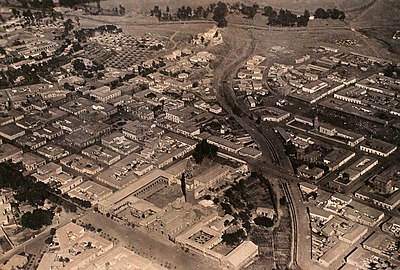


Geographical Significance and Altitude
Asmara, the capital and most populous city of Eritrea, commands a unique geographical position. Perched at an elevation of 2,325 meters (7,628 feet), it ranks as the sixth highest capital city globally and the second highest in Africa. This significant altitude places it at the precipice of the Eritrean Highlands, marking the northwestern edge of this elevated plateau.
Furthermore, its location is proximate to the Great Rift Valley, a colossal geological feature that stretches across neighboring Ethiopia and beyond. This strategic placement not only influences Asmara's climate, offering cooler temperatures and thinner air compared to coastal cities, but also shapes its historical development as a vital center within a dramatic landscape. The city's setting is a defining characteristic, contributing to its distinct atmosphere and historical importance.
A Foundation Built on Unification
The origins of Asmara are rooted in a compelling narrative of peace and cooperation. According to local traditions, the city was not established through a single decree but emerged from the unification of four distinct villages. These communities, having endured periods of conflict, ultimately chose a path of reconciliation and mutual benefit.
This foundational act of merging their identities and resources over five centuries ago laid the groundwork for Asmara's future growth. Initially serving as a settlement on the trade route to Massawa, its true ascent to prominence occurred during the 20th century. This era saw Asmara designated as the capital of Italian Eritrea, ushering in a transformative period of rapid urbanization and modernization that would define its modern character.
Architectural Heritage
Asmara's most celebrated attribute is its remarkably preserved modernist architecture, a legacy of its Italian colonial period. Between the 1930s and 1950s, Italian architects and urban planners designed a city that became a showcase for cutting-edge styles of the era, including Art Deco, Futurist, and Rationalist influences. Buildings like the striking Fiat Tagliero, designed to resemble an airplane with its cantilevered wings, the elegant Cinema Impero with its ornate facade, and the distinctive Asmara Theatre exemplify this architectural movement.
The city's urban plan itself reflects modernist principles. In recognition of this unique and cohesive architectural ensemble, UNESCO declared Asmara a World Heritage Site in 2017. This designation highlights Asmara's significance not just as a national capital, but as a global repository of 20th-century architectural innovation, offering an unparalleled glimpse into a specific period of design history.
Socio-Economic Hub and Modern Identity
As the political, economic, and cultural heart of Eritrea, Asmara functions as the nation's primary urban center. Its population, estimated to be around one million inhabitants, represents a significant portion of Eritrea's total populace. The city serves as a crucial hub for administration, commerce, and services.
While specific major industries are not detailed in the provided source, its role as a capital implies significant activity in governance, trade, and the service sector. The unique high-altitude environment influences daily life, contributing to a distinct urban culture. Asmara's identity is a complex tapestry woven from its ancient roots of unification, its transformative colonial past, its globally recognized architectural heritage, and its ongoing role as the vibrant capital of modern Eritrea.
See also
Based on content from Wikipedia · Licensed under CC BY-SA 4.0