

Arlington Heights, Illinois
Images
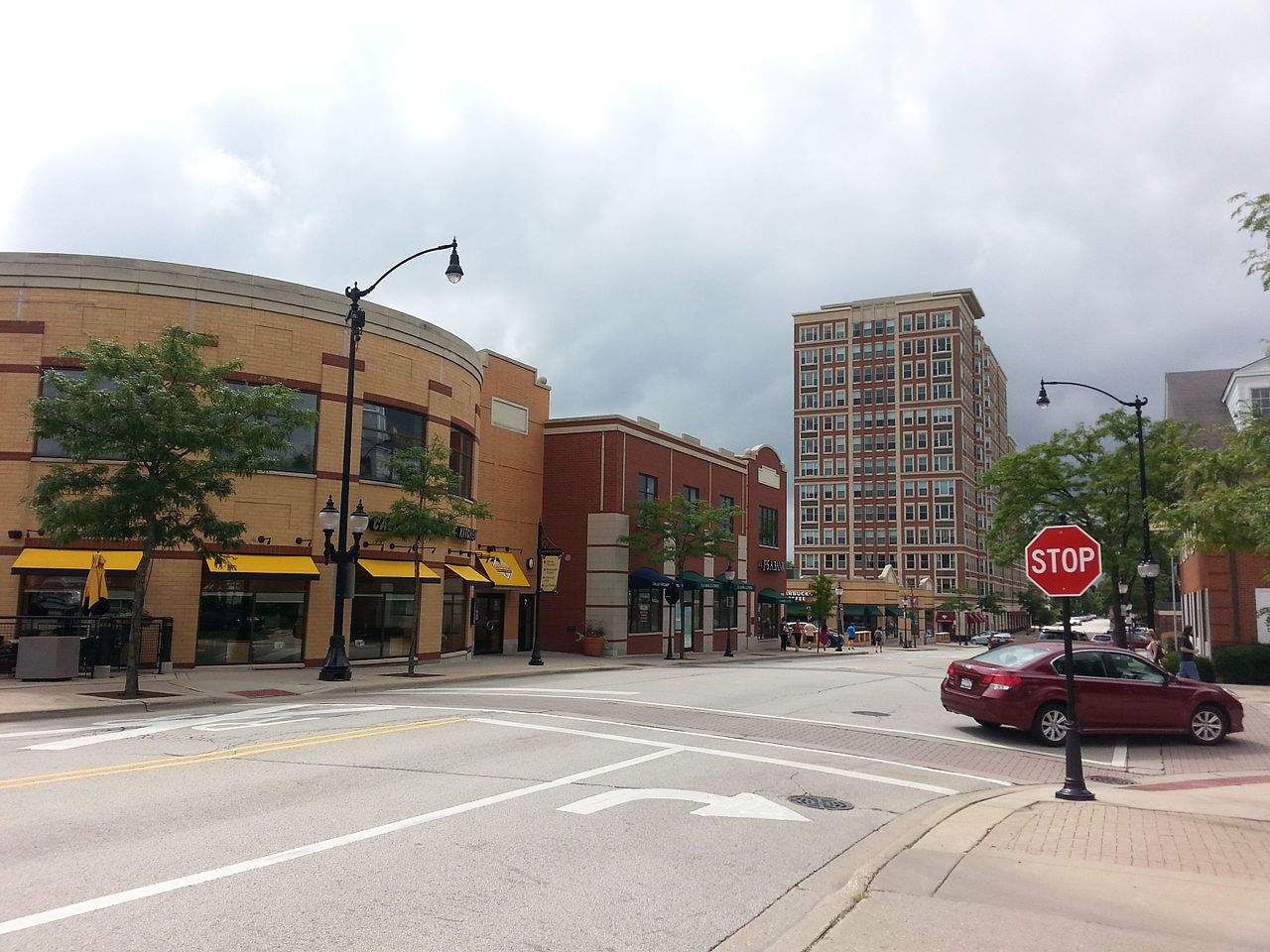
Evergreen Avenue, Arlington Heights


Geographic Positioning and Environmental Context
Arlington Heights is strategically situated in Cook County, Illinois, serving as a prominent northwestern suburb of Chicago. Its location, approximately 25 miles from the central business district of Chicago, positions it within the expansive Chicago metropolitan area, offering residents the dual benefits of suburban living and access to a major urban economic and cultural center. The geography of Arlington Heights is characterized by the relatively flat topography typical of the Midwestern United States, a landscape historically shaped by prairie ecosystems.
This terrain has facilitated urban development and infrastructure. The climate is continental, marked by significant seasonal variations, including warm, humid summers and cold, snowy winters, influencing local activities and the natural environment. Understanding this geographic context is crucial to appreciating the town's development and its role within the broader regional landscape.
The Rise and Legacy of Arlington Park
The identity of Arlington Heights is inextricably linked to the former Arlington Park Race Track, a venue that achieved international renown. More than just a local attraction, it was a significant hub for thoroughbred horse racing, most notably as the home of the Arlington Million. This prestigious race was a key event in the global racing calendar, attracting top horses and international attention.
Its status as a qualifying event for the Breeders' Cup World Thoroughbred Championships, and its subsequent hosting of the Breeders' Cup itself in 2002, underscored its importance. The track's presence fostered a unique cultural and economic environment, drawing significant tourism and contributing to the town's image as a place of prestige and excitement. Although the track is no longer operational, its legacy continues to shape the historical narrative and collective memory of Arlington Heights, representing a period of significant regional prominence.
Demographic Profile and Community Structure
Arlington Heights stands as a substantial municipality within Illinois, boasting a population of 77,676 residents as recorded in the 2020 census. This figure positions it as the 15th most populous municipality in the state, highlighting its considerable scale and influence within Illinois. The demographic composition reflects a mature suburban community, likely characterized by a diverse range of age groups and socioeconomic backgrounds, typical of well-established residential areas within a major metropolitan region.
The significant population density supports a robust local economy and a wide array of community services and amenities. This demographic strength is a key factor in the town's ongoing development and its capacity to sustain a vibrant local culture and infrastructure, making it a significant entity within Cook County.
Economic Drivers and Suburban Functionality
The economic landscape of Arlington Heights is multifaceted, driven by a combination of local commerce and its role as a residential hub within the Chicago metropolitan area. As a large suburb, it possesses a well-developed commercial sector, encompassing retail establishments, service industries, and professional offices that cater to the needs of its substantial population. Many residents also participate in the broader regional economy by commuting to Chicago for employment in sectors such as finance, technology, healthcare, and education.
This symbiotic relationship with the central city allows Arlington Heights to offer a desirable quality of life while providing access to extensive employment opportunities. The town's economic stability is further supported by its infrastructure and its appeal as a place for businesses to establish operations, contributing to its overall economic resilience and growth.
Governance and Civic Engagement
Arlington Heights operates as a village, a form of local government common in Illinois. This structure implies a system of elected officials responsible for managing municipal services, public safety, infrastructure development, and local ordinances. As a significant municipality, its governance likely involves a village president or mayor and a board of trustees or council members who oversee policy and budgetary decisions.
The town's substantial population suggests a well-established civic infrastructure, with active community engagement in local affairs. This engagement is crucial for maintaining public services, planning for future development, and ensuring that the needs of its residents are met. The governance framework plays a vital role in shaping the character and future trajectory of Arlington Heights.
See also
Frequently Asked Questions
What is Arlington Heights, Illinois?+
Why was the Arlington Park Race Track famous?+
Where can you find Arlington Heights on a map?+
How does the climate affect life in Arlington Heights?+
What happened to the town after the race track closed?+
Based on content from Wikipedia · Licensed under CC BY-SA 4.0