

Architectural Theory: Building Brainstorms!
Images
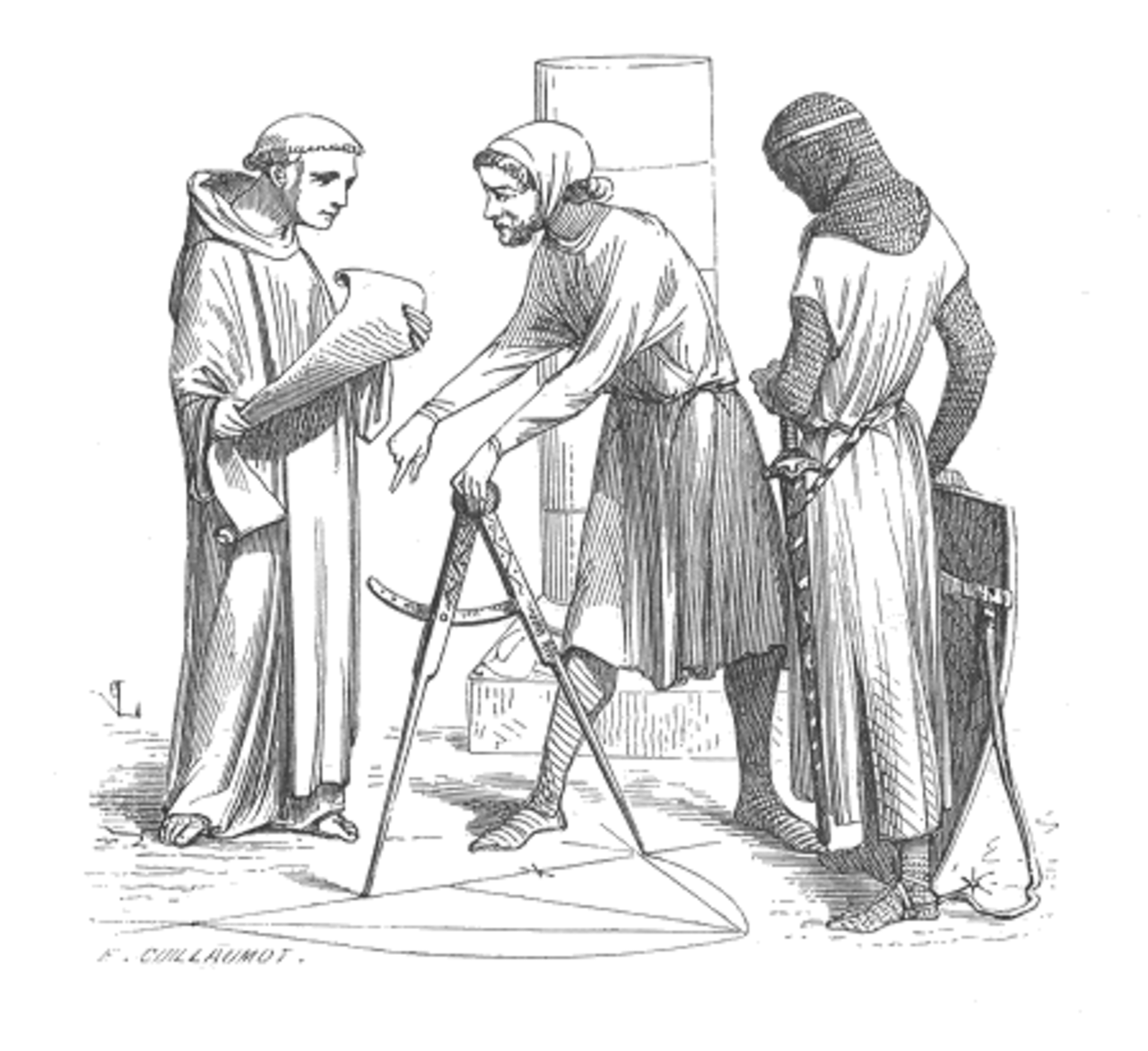
Architectural theory
The Genesis and Evolution of Architectural Thought
Architectural theory represents the discourse surrounding the art and science of building, encompassing the ideas, principles, and philosophies that inform architectural practice. Its origins can be traced to antiquity, with figures like Vitruvius articulating foundational concepts of firmitas (strength), utilitas (utility), and venustas (beauty) in his treatise 'De Architectura.' This classical framework provided a bedrock for subsequent architectural thought.
The Renaissance saw a revival and reinterpretation of these classical ideals, emphasizing harmony, symmetry, and humanistic proportions, as exemplified by architects like Alberti and Palladio. The Enlightenment and the subsequent Industrial Revolution ushered in radical shifts, challenging established norms with new materials (iron, steel, glass) and typologies, leading to theories that prioritized functionality and structural honesty, famously encapsulated by Louis Sullivan's 'form ever follows function.' The 20th century witnessed a proliferation of theoretical movements, from the rationalism of Modernism to the deconstructivist critiques of postmodernism, each offering distinct perspectives on the role and nature of architecture in society.
Theoretical Frameworks
Architectural theory serves as a critical lens through which architects analyze, interpret, and shape the built environment. It provides the intellectual scaffolding for design decisions, moving beyond mere stylistic choices to address deeper questions about a building's purpose, its relationship to its context, and its impact on human experience. Theories can range from grand, overarching philosophies about the nature of architecture itself to more specific frameworks addressing issues like urbanism, phenomenology, or environmental responsibility.
For instance, phenomenological theories explore how buildings are experienced through the senses, influencing designs that prioritize atmosphere, light, and spatial sequences. Similarly, critical regionalism theories advocate for designs that are sensitive to local culture, climate, and history, offering an alternative to globalized architectural homogeneity. These theoretical underpinnings equip architects with the tools to critically engage with complex design challenges and to articulate the rationale behind their creative choices.
The Enduring Significance of Architectural Theory
The significance of architectural theory lies in its capacity to elevate building from mere construction to a thoughtful, culturally relevant practice. It provides a critical framework for evaluating existing buildings and for envisioning future possibilities. By engaging with theory, architects can understand the historical precedents, social implications, and ethical considerations embedded within their work.
In an era facing pressing global challenges such as climate change and rapid urbanization, architectural theory is more vital than ever. It drives innovation in sustainable design, explores new typologies for diverse social needs, and prompts critical reflection on architecture's role in shaping equitable and resilient communities. Theory encourages architects to be not just designers, but also thinkers and social agents, contributing to a richer and more responsible built world.
Contemporary Debates and Future Directions
Contemporary architectural theory is characterized by its engagement with a diverse array of critical issues. Debates surrounding digital fabrication and parametric design explore how new technologies are reshaping the design process and the very forms buildings can take. The ongoing discourse on sustainability and resilience pushes for designs that minimize environmental impact and adapt to changing conditions.
Furthermore, theories addressing social equity, inclusivity, and the decolonization of architectural practice are gaining prominence, challenging traditional power structures and advocating for more diverse and representative built environments. The intersection of architecture with fields like urban studies, sociology, and environmental science continues to generate new theoretical insights. As the world evolves, architectural theory will undoubtedly continue to adapt, offering critical perspectives and innovative solutions for the complex challenges of the future.
Case Studies
Examining specific architectural works reveals the tangible application of theoretical principles. The works of Le Corbusier, such as the Villa Savoye, exemplify early Modernist theories emphasizing the 'five points of architecture'-pilotis, free facade, open plan, ribbon windows, and roof garden-demonstrating a radical departure from traditional building constraints. In contrast, the work of architects like Peter Zumthor often engages with phenomenological theories, focusing on the sensory experience of materials, light, and atmosphere to create deeply evocative spaces, as seen in the Bruder Klaus Field Chapel.
The High Line in New York City, a repurposed elevated railway, embodies theories of urban regeneration and the integration of nature into the city fabric, transforming an industrial relic into a vibrant public space. These examples illustrate how theoretical concepts are translated into built form, shaping not only the appearance but also the experience and impact of architecture.
See also
Frequently Asked Questions
What is architectural theory?+
Why did architects in the Renaissance change how they built houses?+
How did new materials like steel and glass change architecture?+
What does “form follows function” mean?+
Why is architectural theory important for the future?+
Based on content from Wikipedia · Licensed under CC BY-SA 4.0