

Arch Dams: Mighty Walls That Hold Back Rivers!
Images
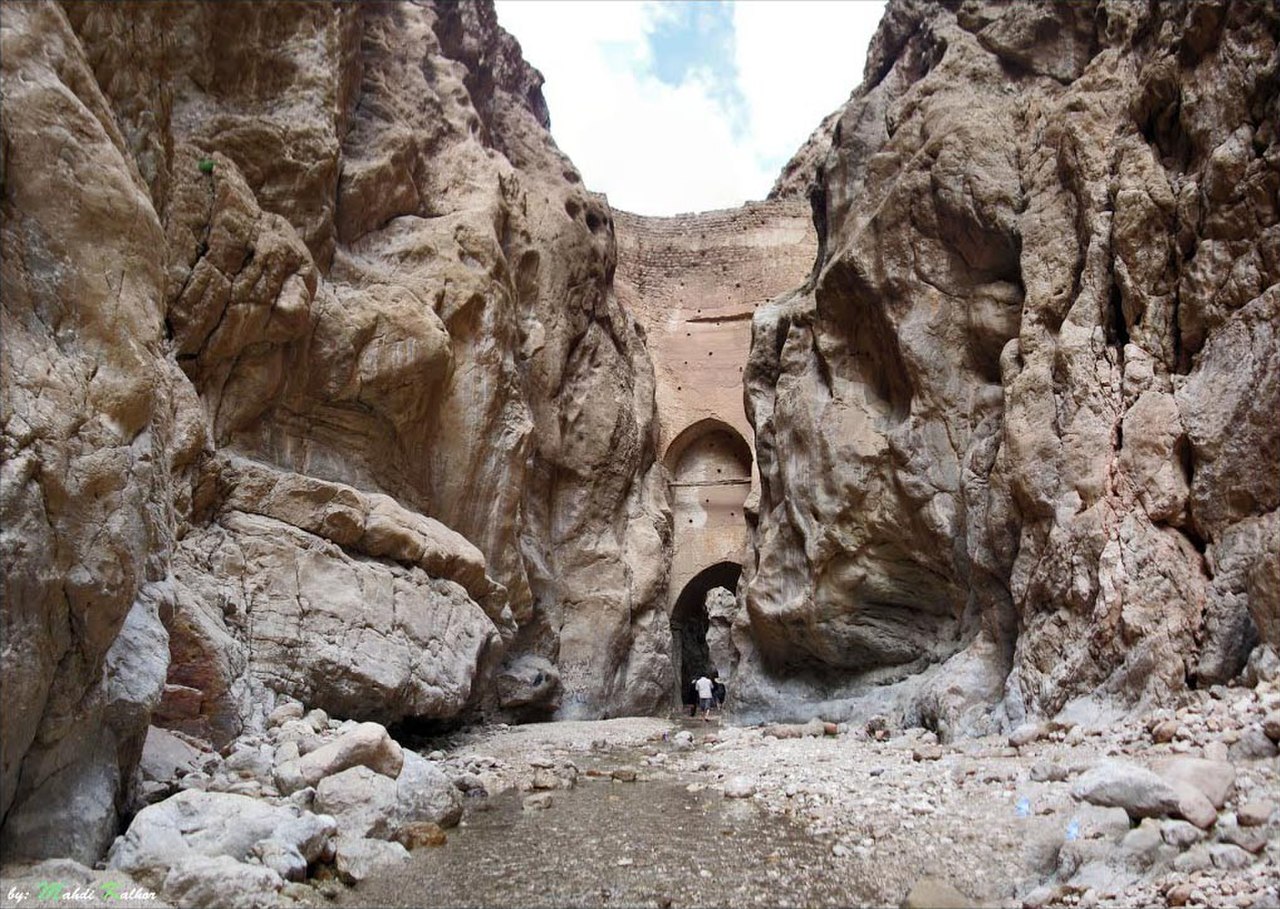
Shah Abbas Arch Dam


The Physics of the Curve
Arch dams represent a sophisticated application of structural mechanics, specifically designed to manage the immense hydrostatic pressure exerted by large bodies of water. Unlike gravity dams, which rely on their sheer mass to resist the water's force, arch dams employ a curved geometry, typically a constant-radius or variable-radius arch, oriented upstream. This curvature is not merely aesthetic; it is fundamental to their load-bearing capacity.
When water presses against the dam, the arch shape efficiently transfers this force horizontally into the abutments – the stable rock formations on either side of the canyon. This transfer of stress causes the arch to deform slightly, straightening and becoming more rigid, a phenomenon known as arch action. The effectiveness of this design is highly dependent on the geological quality of the abutments; they must be capable of withstanding significant compressive stresses without failure.
This makes arch dams most suitable for narrow canyons or gorges with strong, impermeable rock walls, minimizing the need for extensive foundation preparation and reducing the overall volume of concrete required compared to other dam types.
Evolution of the Arch
While the provided source focuses on modern arch dams, the principle of using curved structures for water management has historical precedents, though direct lineage to modern concrete arch dams is complex. Early civilizations utilized arches in aqueducts and rudimentary dams. The true development of the modern concrete arch dam began in the late 19th and early 20th centuries, driven by advancements in concrete technology, sophisticated structural analysis, and the need for efficient water control in challenging terrains.
Engineers recognized that in narrow, steep-sided canyons, an arch dam could be significantly thinner than a gravity dam, requiring substantially less material. This material efficiency translates to lower construction costs and reduced environmental impact from quarrying and transport, making them particularly advantageous in remote or geologically suitable locations. The design requires precise engineering calculations to ensure the stresses are distributed correctly and the abutments can bear the load.
Multifaceted Benefits
The significance of arch dams extends far beyond simple water containment. They are critical infrastructure components that underpin regional development and sustainability. Foremost is their role in water resource management: reservoirs created by arch dams provide a stable and predictable supply of water for municipal use, industrial processes, and, crucially, agricultural irrigation, thereby enhancing food security.
Furthermore, arch dams are pivotal in the generation of hydroelectric power. The controlled release of water through turbines converts potential energy into clean, renewable electricity, reducing reliance on fossil fuels and mitigating greenhouse gas emissions. Flood control is another vital function, protecting downstream communities and ecosystems from destructive inundation. Additionally, the stable water levels maintained by these dams can support navigation and create opportunities for recreation, contributing to local economies and quality of life.
Geological Imperatives and Design Considerations
The successful implementation of an arch dam is intrinsically linked to specific geological and topographical conditions. The ideal site is a narrow canyon or gorge characterized by steep, stable rock walls that can effectively absorb the significant compressive forces generated by the water pressure acting on the dam's arch. The quality of the rock is paramount; it must be competent, free from major fault lines or permeable strata that could compromise its load-bearing capacity or lead to seepage.
The upstream curvature of the dam is meticulously calculated to optimize the distribution of stress. While the source mentions they are thinner than other dams, this thinness is relative and still requires substantial concrete volumes, though less than a comparable gravity dam. The choice of an arch dam over other types is a complex engineering decision, weighing site suitability, material availability, cost-effectiveness, and the specific water management objectives.
See also
Frequently Asked Questions
What is an arch dam and how does it hold back water?+
Why do arch dams need strong rock on both sides?+
How do arch dams help with electricity?+
Where are arch dams usually built?+
Why are arch dams better for the environment than other dams?+
Based on content from Wikipedia · Licensed under CC BY-SA 4.0