

Android: Robots and Phones!
Images

android; pixelpipe


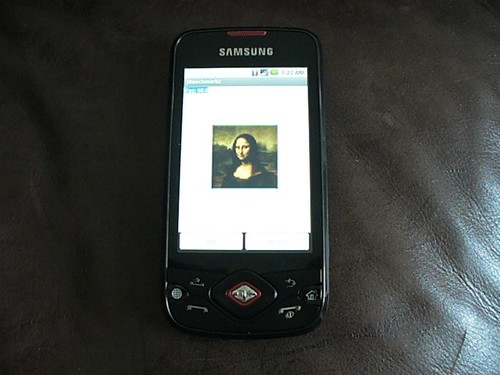


Defining the Android
The term 'android' carries a significant duality in modern discourse. Most commonly, it refers to a humanoid robot, a synthetic entity engineered to mimic human form and behavior, often envisioned in science fiction as companions, laborers, or even adversaries. This concept taps into deep-seated human fascination with artificial life and the potential for machines to replicate our own intelligence and physicality.
However, in the realm of technology, 'Android' is globally recognized as a dominant mobile operating system developed and primarily maintained by Google. This OS serves as the foundational software for a vast array of smartphones, tablets, and other smart devices, powering the digital lives of billions and shaping the landscape of mobile computing and communication.
Genesis of Android
The conceptual roots of humanoid robots, or androids, stretch back to ancient myths and early speculative fiction, reflecting humanity's enduring interest in creating artificial beings. The practical pursuit of building such complex machines is a testament to advancements in robotics, artificial intelligence, and materials science. Concurrently, the Android operating system originated from Android Inc., founded in 2003, with the ambitious goal of creating an open platform for digital cameras.
Google's acquisition in 2005 pivoted its focus to mobile phones, recognizing the burgeoning smartphone market. The subsequent release of the first Android-powered device, the HTC Dream (T-Mobile G1), in 2008, marked a pivotal moment, challenging established players and ushering in an era of unprecedented mobile device diversity and accessibility.
The Significance of Android
The Android operating system's significance cannot be overstated. Its open-source nature fostered a vibrant ecosystem, enabling rapid innovation and customization by manufacturers and developers alike. This accessibility has led to a diverse range of devices at various price points, making advanced mobile technology available to a global audience.
It has fundamentally altered communication, commerce, and entertainment, becoming an indispensable tool in daily life. Simultaneously, the ongoing development of sophisticated android robots represents a frontier in AI and engineering. These machines hold the potential to address critical societal needs, from elder care and hazardous environment operations to advanced scientific research, pushing the boundaries of human-machine interaction and capability.
Under the Hood
The Android operating system is a sophisticated, layered software stack built upon the Linux kernel. This kernel acts as the core intermediary between the hardware and the software, managing essential functions like process management, memory, and device drivers. Above the kernel lies the Hardware Abstraction Layer (HAL), which provides a standard interface for hardware manufacturers.
The Android Runtime (ART) and core Java libraries enable applications to run efficiently. The Application Framework offers high-level services to applications, such as a robust activity management system and content providers. Finally, the user interacts with applications developed using the Android SDK, which are written in Java or Kotlin and run within the ART environment.
This intricate design allows for flexibility, performance, and the vast functionality users experience.
Manifestations of Android
The presence of 'Android' is pervasive. The most visible manifestation is the ubiquitous smartphone and tablet running the Android OS, which have become extensions of our personal and professional lives. Beyond these personal devices, Google has extended the Android platform to other areas, notably with Android TV, transforming smart televisions into interactive entertainment hubs.
In robotics, the development of humanoid androids continues to advance, with prototypes demonstrating increasingly sophisticated locomotion, manipulation, and interaction capabilities. While the widespread deployment of highly autonomous, human-like androids remains a future prospect, research is actively exploring their application in fields ranging from advanced manufacturing and space exploration to personalized healthcare and domestic assistance, signaling a profound potential impact on society.
Go deeper
Frequently Asked Questions
What does the word "android" mean?+
Why is Android the most popular phone system?+
How did Android start as a camera platform?+
What is the Android operating system made of?+
How can robots that look like people help people?+
Based on content from Wikipedia · Licensed under CC BY-SA 4.0