

Amstelveen
Images

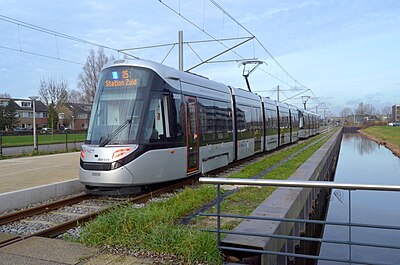
2021 Entree Wagener Stadion, Amstelveen (1)



Geographical Context and Urban Morphology
Amstelveen is strategically positioned in the province of North Holland, Netherlands, functioning as a significant suburban component of the expansive Amsterdam metropolitan area. Its geographical placement south of Amsterdam offers residents proximity to the capital's extensive amenities and economic opportunities while providing a distinct, often more tranquil, living environment.
The municipality itself is an amalgamation of historical villages, notably Bovenkerk and Nes aan de Amstel, alongside a series of planned modern neighborhoods such as Westwijk, Bankras-Kostverloren, and Elsrijk. This urban morphology reflects a deliberate development strategy, evolving from its origins as a peatland ('veen') situated along the Amstel River. The climate is temperate maritime, characterized by mild winters, cool summers, and consistent precipitation throughout the year, typical of the Dutch coastal region.
This environment supports a landscape that balances urban infrastructure with substantial green spaces, including parks and recreational areas, contributing to its appeal as a residential city.
Historical Evolution and Suburban Identity
The historical trajectory of Amstelveen is one of gradual growth and transformation, intrinsically linked to the development of the wider Amsterdam region. Initially characterized by its peat extraction and agricultural activities, the area began to evolve significantly in the 20th century as Amsterdam's population expanded and housing demand increased. Amstelveen emerged as a prime location for suburban development, offering a more spacious and family-oriented alternative to the dense urban core of the capital.
This planned growth has shaped its identity, creating a city that is both modern and rooted in its historical landscape. The integration of older village structures with contemporary urban planning has resulted in a unique character, balancing historical preservation with the needs of a growing, international population. The city's development has been a conscious effort to create a functional and desirable living space adjacent to a major global city.
Economic Powerhouse
Amstelveen has firmly established itself as a critical economic center, particularly renowned for hosting the international headquarters of major global corporations. The presence of KLM, the flag carrier airline of the Netherlands, and KPMG, one of the 'Big Four' accounting firms, underscores its significance in the international business landscape. These anchor companies not only contribute substantially to the local and national economy but also generate a significant number of high-skilled employment opportunities, attracting a diverse and international workforce.
The city's strategic location, with excellent connectivity to Schiphol Airport and the Amsterdam road network, further enhances its attractiveness for multinational corporations seeking a prime European base. While the planned relocation of KLM's headquarters has faced delays, its continued presence signifies Amstelveen's enduring role as a corporate hub. The city's economic strength is a key driver of its development and its reputation as a prosperous and dynamic place to live and work.
Cultural Vibrancy and Artistic Contributions
Beyond its economic prowess, Amstelveen boasts a rich cultural life, prominently featuring the Cobra Museum of Modern Art. This institution is dedicated to the avant-garde Cobra movement, an influential post-war European art group known for its bold colors and expressive forms. The museum serves as a cultural anchor, drawing art enthusiasts and contributing to the city's reputation as a center for creativity.
Amstelveen also fosters a broader cultural ecosystem through various public art installations, community events, and cultural festivals that reflect its diverse population. The city's commitment to culture extends to its urban planning, with an emphasis on integrating green spaces and public amenities that enhance the quality of life for its residents. This blend of international business, suburban comfort, and artistic engagement defines Amstelveen's unique cultural identity.
Governance, Demographics, and Future Outlook
As a municipality, Amstelveen operates under the Dutch system of local governance, with a mayor and a municipal council responsible for its administration and policy-making. Its population of nearly 96,000 residents (as of 2024) reflects a diverse demographic makeup, with a significant international presence due to its economic appeal. The official language is Dutch, but English is widely spoken, facilitating communication within its international community.
The city's future development is likely to focus on maintaining its balance between economic growth, sustainable urban living, and preserving its cultural heritage. Challenges such as housing affordability and infrastructure development in the context of a growing metropolitan area will continue to shape its trajectory. Amstelveen's ongoing evolution positions it as a model for successful suburban integration within a major European economic region.
See also
Frequently Asked Questions
What is Amstelveen?+
Why do big companies like KLM and KPMG have offices there?+
Where are the old villages in Amstelveen?+
How does Amstelveen keep green spaces?+
When did Amstelveen start growing?+
Based on content from Wikipedia · Licensed under CC BY-SA 4.0