

Amr Diab
Images

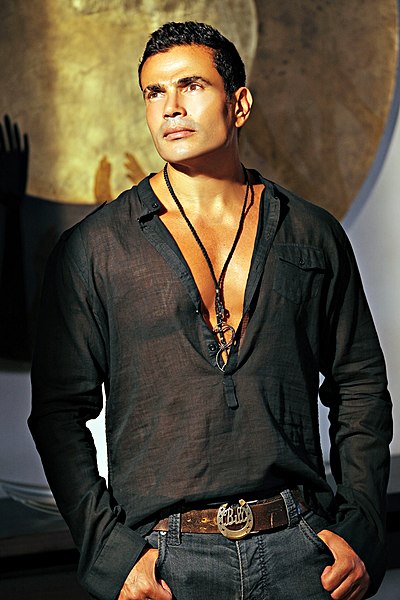
Arash Mohseni, Amr Diab




The Genesis of an Icon
Amr Diab's journey began on October 11, 1961, in Egypt, a nation with a rich musical heritage. From his early days, Diab demonstrated a profound musicality, not merely as a performer but as a composer and, at times, an actor. His emergence in the music scene marked a pivotal moment for Arabic popular music.
Diab masterfully fused traditional Egyptian and Arabic musical elements with contemporary Western genres like pop, rock, and R&B. This synthesis created a distinctive sound that resonated across the Middle East and North Africa, breaking linguistic and cultural barriers. His early work laid the foundation for a career characterized by consistent innovation and an uncanny ability to anticipate and shape musical trends.
He didn't just follow trends; he created them, establishing a blueprint for modern Arabic pop that countless artists would later emulate.
Record-Breaking Success and Critical Acclaim
The commercial success of Amr Diab is staggering, evidenced by his Guinness World Record as the best-selling Middle Eastern artist. This title is not merely symbolic; it reflects decades of consistent chart dominance and massive album sales across a vast region. His accolades include an impressive seven World Music Awards, a testament to his global appeal and commercial impact.
Furthermore, his five Platinum Records signify extraordinary sales milestones, underscoring his status as a commercial powerhouse. The recognition from international publications like Rolling Stone, which lauded his song ‘Tamally Maak’ as a landmark of 21st-century Arabic pop, highlights his critical standing and the enduring quality of his artistry. This combination of commercial triumph and critical appreciation solidifies his position as a preeminent figure in world music.
Musical Innovation and Cultural Resonance
Amr Diab’s enduring appeal lies in his sophisticated musical approach and his deep connection to his cultural roots. Dubbed the 'King of Arabic Pop,' his reign is characterized by a unique ability to blend infectious, danceable rhythms with emotionally resonant melodies and thoughtful lyrics. His compositions often feature intricate arrangements that incorporate traditional instruments like the oud and qanun alongside modern synthesizers and drum machines.
This fusion creates a sound that is both authentically Arabic and universally accessible. Diab’s music often explores themes of love, life, and nostalgia, themes that resonate deeply with his diverse audience. His live performances are renowned for their high energy and spectacular production, further cementing his reputation as a captivating entertainer who bridges cultural divides through the universal language of music.
Global Ambassador and Enduring Influence
Amr Diab’s impact transcends sales figures and awards; he has become a significant cultural ambassador for the Arab world. His career demonstrates the potential for artists from non-Western backgrounds to achieve global superstardom while maintaining cultural integrity. By successfully integrating Arabic musical traditions into a global pop framework, he has not only broadened the reach of Arabic music but has also inspired a new generation of artists to explore their own cultural heritage in contemporary contexts.
His sustained relevance over several decades speaks to his adaptability and his commitment to artistic evolution. Amr Diab continues to be a dominant force in the music industry, proving that his innovative spirit and profound connection to his audience are timeless, ensuring his legacy as a pioneering artist for years to come.
See also
Frequently Asked Questions
Who is Amr Diab?+
What makes his music special?+
Why is he called the "King of Arabic Pop"?+
How many awards has he won?+
What topics does he sing about?+
Based on content from Wikipedia · Licensed under CC BY-SA 4.0