

Amanita: The Amazing Mushroom Family!
Images

Fly amanita

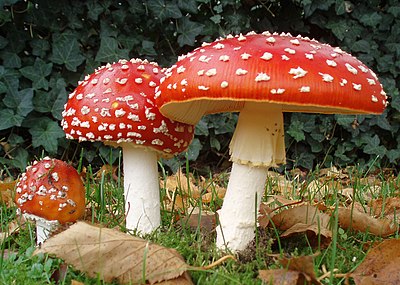


The Dichotomy of Amanita
The genus Amanita represents one of the most ecologically and biochemically diverse groups of fungi, encompassing approximately 600 recognized species distributed across virtually all terrestrial biomes. These basidiomycetes are characterized by their distinctive agaric morphology, often featuring a cap, gills, and a stem, frequently with a volva and annulus. Their ecological roles are profound, ranging from critical mycorrhizal partners that facilitate nutrient exchange with trees, thereby supporting forest health, to potent decomposers that recycle organic matter.
However, Amanita is perhaps most widely known for its extreme duality: it harbors some of the planet's most lethal known toxins, while simultaneously including species highly prized for their edibility and culinary value, creating a complex relationship between humans and these ubiquitous fungi.
Culinary Crossroads
Despite the widespread danger associated with many Amanita species, several are celebrated as delicacies in various global cuisines. In Central Africa, species like Amanita zambiana are integral to local diets, while in Mexico, Amanita basii and similar varieties are highly sought after. Europe boasts the esteemed Amanita caesarea, known for its vibrant orange cap and white flesh, and the equally popular Amanita rubescens, often called the 'Blusher' due to its tendency to redden when bruised. Southeast Asia also features edible species such as Amanita chepangiana.
The economic and cultural significance of these edible Amanitas is substantial, forming mainstays of local markets during their fruiting seasons. However, the inherent risk of consuming wild mushrooms, particularly within this genus, cannot be overstated. The visual resemblance between highly toxic species and their edible counterparts is a constant threat, leading mycologists to universally discourage amateur foraging due to the potentially fatal consequences of even a single misidentification.
The α-Amanitin Threat
The Amanita genus is tragically responsible for an overwhelming proportion of fatal mushroom poisonings worldwide, accounting for an estimated 95% of all such incidents. The most infamous species, the death cap (Amanita phalloides), is singularly responsible for approximately 50% of all mushroom-related fatalities. The primary mechanism of toxicity in these deadly species is the production of cyclic peptides, most notably α-amanitin.
This potent toxin targets the liver and kidneys, inhibiting RNA polymerase II and halting protein synthesis, which leads to rapid cellular necrosis and organ failure. Initial symptoms can be delayed for 6-24 hours, often presenting as gastrointestinal distress, followed by a deceptive period of recovery before severe liver and kidney damage manifests. The insidious nature of these toxins, coupled with the widespread distribution of Amanita species, makes them a critical public health concern requiring extensive education and caution.
Beyond Toxicity
While the lethal potential of Amanita often overshadows other aspects, the genus also contributes to human culture and the environment in less perilous ways. Certain species, such as the striking red Amanita jacksonii, which ranges from eastern Canada to eastern Mexico, are utilized for their natural pigments. These vibrant colors can be extracted and used to dye foods, particularly sauces, adding both visual appeal and a unique flavor profile.
This application highlights the diverse biochemical capabilities within the genus. Furthermore, the ecological roles of Amanita species as mycorrhizal symbionts are indispensable for the health and resilience of many forest ecosystems. By forming intricate networks with tree roots, they enhance nutrient uptake, water absorption, and even plant defense mechanisms, underscoring their vital importance beyond their more notorious toxic properties.
See also
Based on content from Wikipedia · Licensed under CC BY-SA 4.0