

Allergy
Images
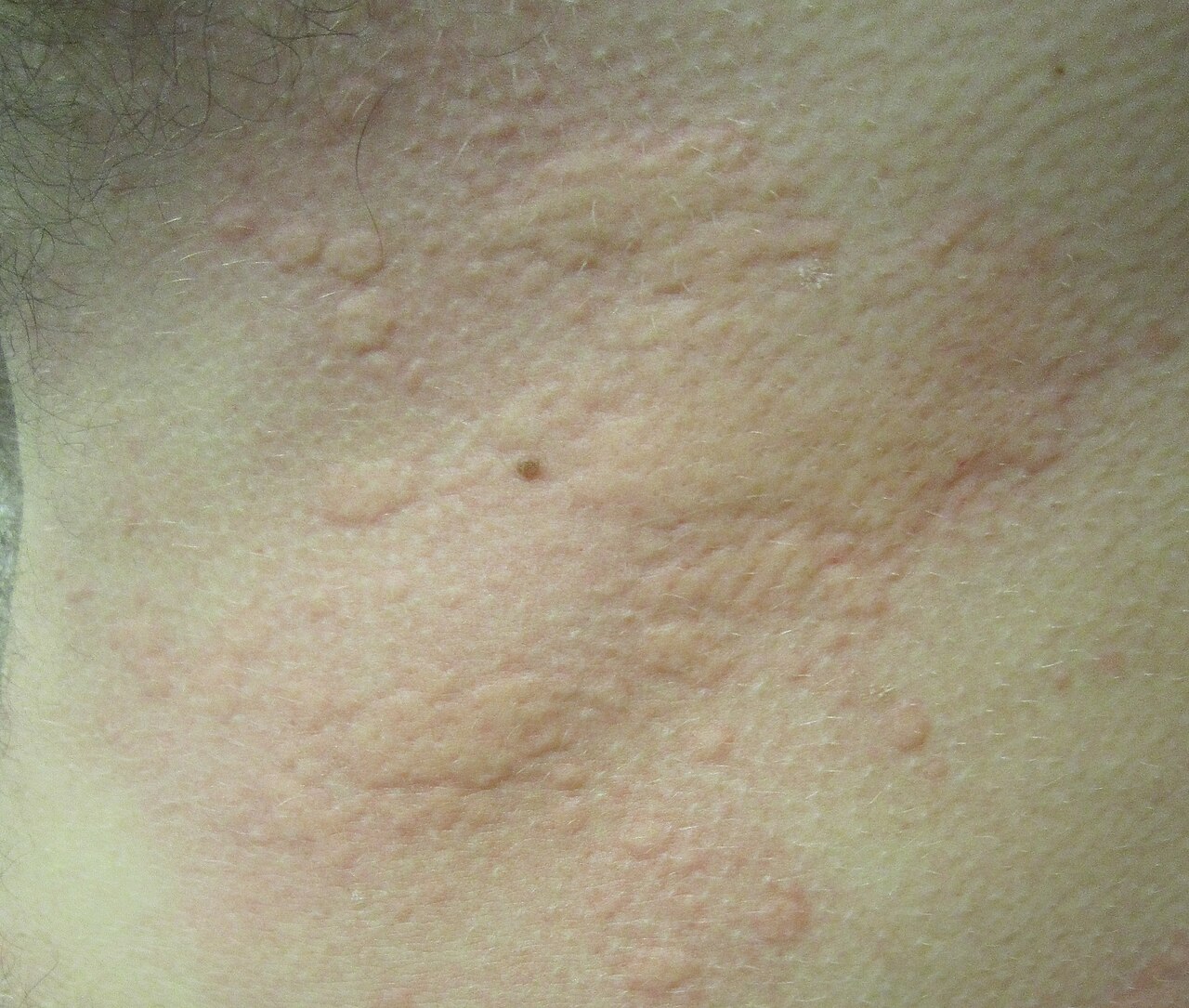
Allergy
The Immune System's Aberrant Response
Allergy, medically termed hypersensitivity, represents a dysregulated immune response where the body's defense mechanisms overreact to innocuous environmental substances known as allergens. This process is primarily mediated by immunoglobulin E (IgE) antibodies. Upon initial exposure to an allergen, the immune system, specifically B cells, produces allergen-specific IgE.
These IgE antibodies then bind to the surface of mast cells and basophils, immune cells abundant in tissues and circulation. Subsequent re-exposure to the same allergen triggers cross-linking of these bound IgE molecules, leading to the degranulation of mast cells and basophils. This degranulation releases a cascade of inflammatory mediators, including histamine, leukotrienes, and cytokines, which are responsible for the diverse clinical manifestations of allergic diseases, such as asthma, allergic rhinitis, atopic dermatitis, and anaphylaxis.
The genetic predisposition and environmental factors interact to determine an individual's susceptibility to developing allergies.
From Ancient Observations to Modern Immunology
The recognition of allergic phenomena dates back to antiquity, with descriptions of adverse reactions to foods and environmental factors found in ancient medical texts. However, the scientific understanding of allergy began to crystallize in the early 20th century. The term 'allergy' was first introduced by Austrian pediatrician Clemens von Pirquet in 1906 to describe a state of altered reactivity.
His work, alongside that of Karl Landsteiner who identified blood groups, laid foundational concepts. Significant advancements followed, including the identification of IgE antibodies by Kimishige Ishizaka and colleagues in the 1960s, which revolutionized the understanding of the allergic mechanism. The subsequent development of diagnostic tools like skin prick tests and IgE blood tests, along with therapeutic interventions such as antihistamines and immunotherapy, have transformed allergy management over the decades, moving from empirical observation to evidence-based medicine.
The Profound Significance of Allergies in Public Health and Beyond
Allergies represent a substantial global public health challenge, affecting an estimated 20-30% of the world's population. The economic burden is immense, encompassing direct healthcare costs for diagnosis and treatment, as well as indirect costs related to lost productivity and reduced quality of life. Beyond the economic impact, allergies profoundly affect individuals' daily lives, often necessitating strict avoidance measures, limiting social activities, and causing chronic discomfort or severe acute episodes.
The increasing prevalence of allergic diseases, particularly in industrialized nations, has spurred extensive research into their underlying causes, including the 'hygiene hypothesis,' which suggests that reduced exposure to microbes in early life may lead to an improperly trained immune system. Understanding and effectively managing allergies is therefore critical for improving population health and well-being.
The Multifaceted Landscape of Allergic Triggers and Manifestations
Allergic reactions can be triggered by an astonishing array of substances, broadly categorized into inhalants, ingestants, contactants, and injectants. Inhalant allergens, such as pollens, dust mites, molds, and animal dander, are inhaled and typically cause respiratory symptoms like allergic rhinitis and asthma. Ingested allergens, commonly found in foods like peanuts, milk, eggs, and seafood, can lead to gastrointestinal issues, skin reactions (urticaria, angioedema), and potentially life-threatening anaphylaxis.
Contact allergens, such as poison ivy or certain metals, induce delayed hypersensitivity reactions in the skin. Injectant allergens, primarily venoms from insects like bees and wasps, can also trigger severe systemic reactions. The specific manifestation of an allergy depends on the allergen, the route of exposure, and the individual's genetic makeup and immune status.
Go deeper
Based on content from Wikipedia · Licensed under CC BY-SA 4.0