

Allan Warren
Images
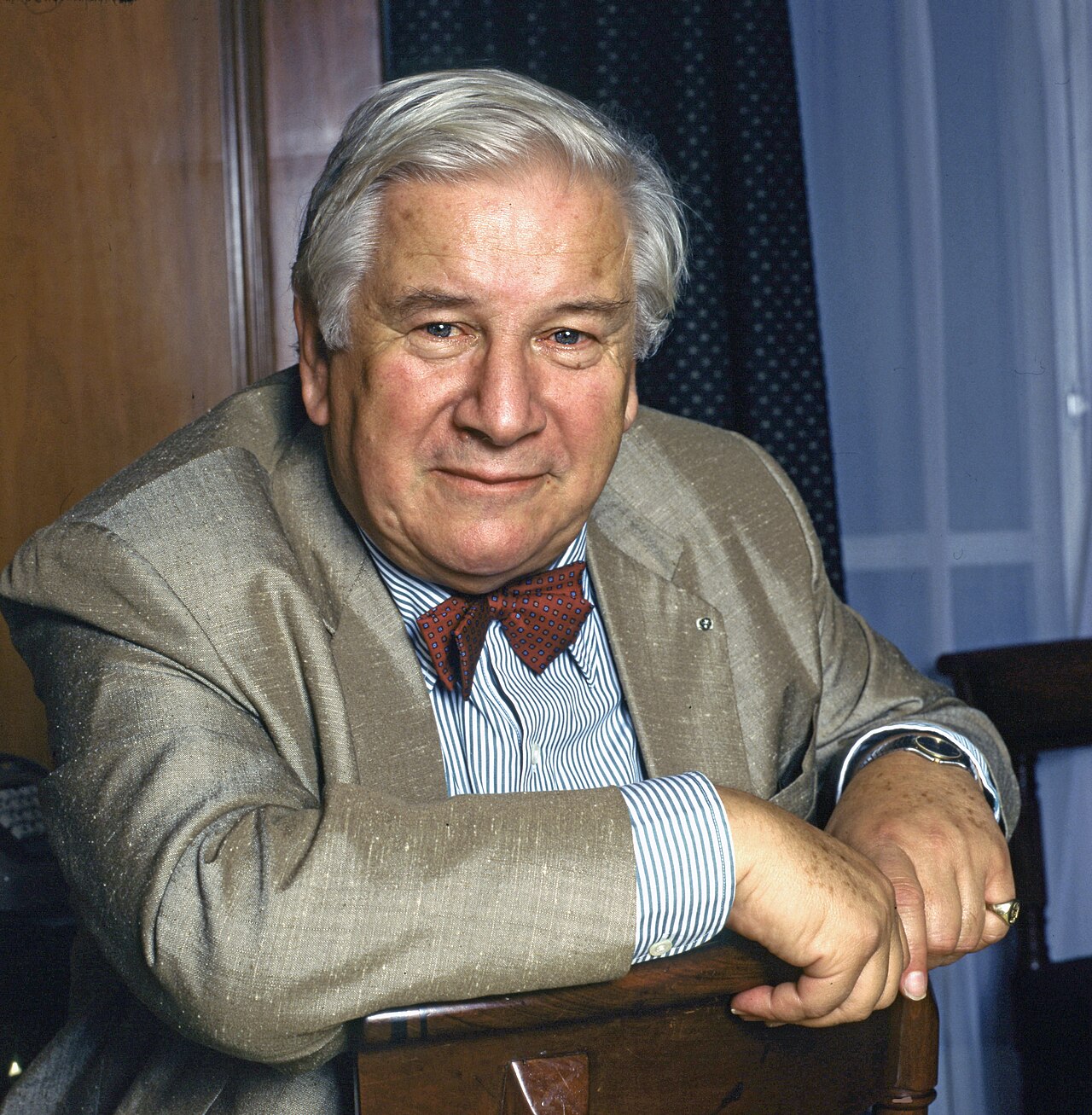
Sir Peter Ustinov Allan Warren



Genesis of a Creative Vision
Michael Allan Warren, born on October 26, 1948, emerged as a significant figure in the cultural landscape of the late 20th century through a unique combination of talents: photography and acting. His birth year places him in the post-war era, a period of significant social and artistic change. This context likely influenced his artistic sensibilities, as he navigated a world rebuilding and redefining itself.
His dual career is particularly noteworthy; understanding the nuances of performance likely informed his approach to portraiture, allowing him to capture subjects with an actor's insight into expression and presence. This foundational understanding of the performer's craft provided him with an edge in eliciting genuine moments from his subjects, moving beyond mere likeness to capture character.
The Lens on Power and Prestige
Warren's photographic legacy is intrinsically linked to his subjects. His primary domain has been portraiture, focusing on individuals who wielded considerable influence or commanded significant public attention. His portfolio boasts an impressive roster of British nobility, including members of the royal family like King Charles III, and European royalty such as Constantine II of Greece.
The political sphere is also well-represented, with figures like Enoch Powell and Alec Douglas-Home having been subjects of his lens. Beyond the realms of state and lineage, Warren has captured the indelible images of cinematic icons like Sophia Loren and Cary Grant, alongside esteemed cultural figures such as Lord Louis Mountbatten and Sir Laurence Olivier. These portraits are not merely aesthetic achievements; they function as historical artifacts, documenting the visages of individuals who shaped the political, social, and cultural narratives of their time.
The Craft of Connection
The distinction of Allan Warren's portrait photography lies in its psychological acuity. Unlike a simple documentary photograph, a portrait seeks to interpret and convey the inner life of the subject. Warren's ability to connect with his subjects, many of whom were accustomed to public scrutiny, allowed him to penetrate the facade and capture moments of vulnerability, contemplation, or authority.
His work often highlights the interplay between public persona and private self, offering viewers a more intimate glimpse than might otherwise be possible. This skill is particularly valuable when photographing figures accustomed to carefully curated public images. His understanding of performance, gained from his acting career, likely aids him in creating an environment where subjects feel comfortable enough to reveal aspects of their true selves.
Intersections of Artistry
Warren's career trajectory, spanning both acting and photography, underscores the interconnectedness of creative disciplines. His experience on stage and screen undoubtedly honed his observational skills and his understanding of human emotion and expression, which he then translated into his photographic practice. This dual expertise allows him to approach his subjects with a unique empathy, recognizing the performance inherent in public life.
The enduring relevance of his work stems from its artistic merit and its historical documentation. In an age saturated with images, Warren's portraits retain their power through their thoughtful composition, technical skill, and the profound insight they offer into the individuals who defined an era. His contributions continue to be studied and appreciated by art historians, photography enthusiasts, and those interested in the visual record of 20th-century luminaries.
See also
Based on content from Wikipedia · Licensed under CC BY-SA 4.0