

Aleksandr Solzhenitsyn
Images
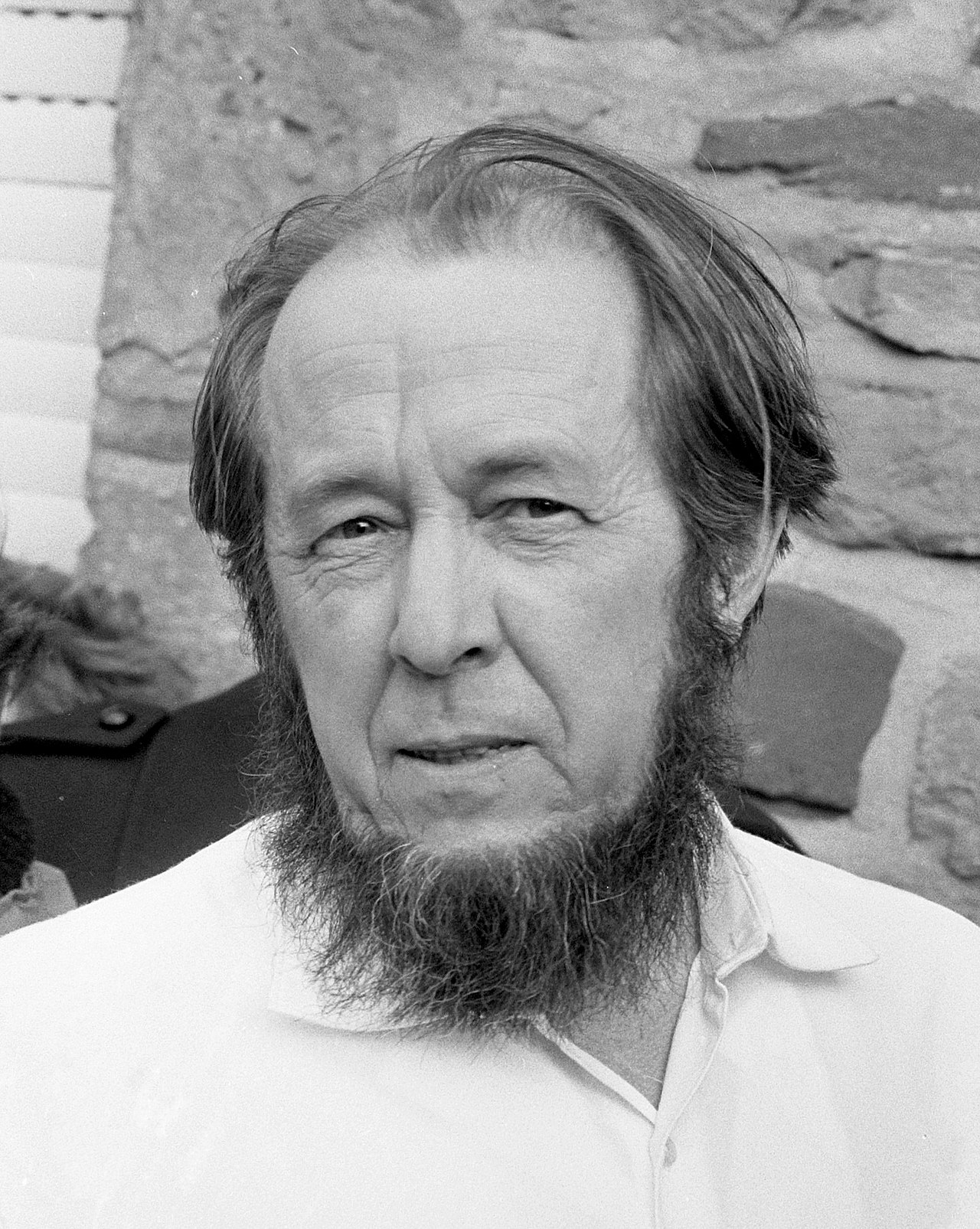
Aleksandr Solzhenitsyn
The Crucible of Experience
Aleksandr Solzhenitsyn's journey from a provincial mathematics teacher to a global icon of resistance is a testament to the transformative power of lived experience and moral conviction. Born in 1918 in Kislovodsk, Russia, his early life was marked by the tumultuous events of the Russian Revolution and its aftermath. A decorated artillery officer in the Red Army during World War II, Solzhenitsyn's intellectual independence and critical spirit soon brought him into conflict with the Soviet regime.
His arrest in 1945 for criticizing Joseph Stalin in private correspondence, though seemingly minor, led to his condemnation and subsequent eight-year sentence in the notorious Gulag system. This period of profound suffering, from the Karaganda filtration camps to the harsh labor of Ekibastuz, forged his identity as a writer and instilled in him an unshakeable commitment to exposing the truth of Soviet repression. His early literary efforts, often written in secret and committed to memory, laid the groundwork for his later monumental works.
Literary Excavation
Solzhenitsyn's literary breakthrough came with 'One Day in the Life of Ivan Denisovich' (1962), a novella published during the Khrushchev Thaw. This work offered an unprecedented, unvarnished depiction of daily life in a Soviet labor camp, its stark realism and humanistic portrayal resonating deeply with a Soviet public long fed official propaganda. It was a critical success, but also a harbinger of future conflict.
His magnum opus, 'The Gulag Archipelago' (published in the West in 1973-1975), was an even more ambitious undertaking. Drawing on his own experiences, the testimonies of hundreds of fellow prisoners, and extensive historical research, Solzhenitsyn meticulously reconstructed the vast, intricate system of Soviet repression – the arrests, interrogations, transport, forced labor, and internal exile. It was not merely a historical account but a profound moral indictment, challenging the very foundations of the Soviet state and its ideology.
The book's clandestine publication in the West, facilitated by smuggled manuscripts, ignited international outrage and solidified Solzhenitsyn's status as a leading dissident.
The Nobel Prize, Exile, and the Weight of Witness
The awarding of the Nobel Prize in Literature to Solzhenitsyn in 1970 was a landmark event, recognizing his immense literary talent and his courageous role as a witness to historical truth. However, the Soviet authorities, deeply threatened by his international acclaim and the unflinching nature of his critique, prevented him from accepting the prize in person, fearing his defection. His continued defiance, particularly the publication of 'The Gulag Archipelago,' led to his arrest and subsequent expulsion from the Soviet Union in 1974.
He spent nearly two decades in exile, primarily in the United States, where he continued to write and speak, becoming a prominent critic of Western complacency towards Soviet totalitarianism. This period of exile was marked by a profound sense of displacement, yet he remained steadfast in his mission to bear witness and advocate for human dignity and freedom, often grappling with the moral complexities of his role as a public figure.
Legacy
Aleksandr Solzhenitsyn's legacy is multifaceted and enduring. His literary works are not only masterpieces of 20th-century literature but also indispensable historical documents that fundamentally altered global perceptions of the Soviet era. He demonstrated the profound capacity of literature to serve as a tool for historical reckoning and moral awakening, proving that even in the face of overwhelming state power, the individual voice, armed with truth, can resonate across borders and generations.
His return to Russia in 1994, following the collapse of the Soviet Union, marked a poignant chapter, as he engaged with his homeland's complex transition and continued to offer his sharp insights on national identity and historical memory. Solzhenitsyn remains a towering figure, a symbol of intellectual courage and the unyielding pursuit of truth, reminding us of the vital importance of remembering the past and safeguarding fundamental human freedoms.
Go deeper
Frequently Asked Questions
Who was Aleksandr Solzhenitsyn?+
What book did he write about the Gulag?+
Why did Solzhenitsyn get in trouble with the Soviet government?+
Did he ever win a big award?+
Where did he live after he was expelled?+
Based on content from Wikipedia · Licensed under CC BY-SA 4.0