

Ainu Language
Images
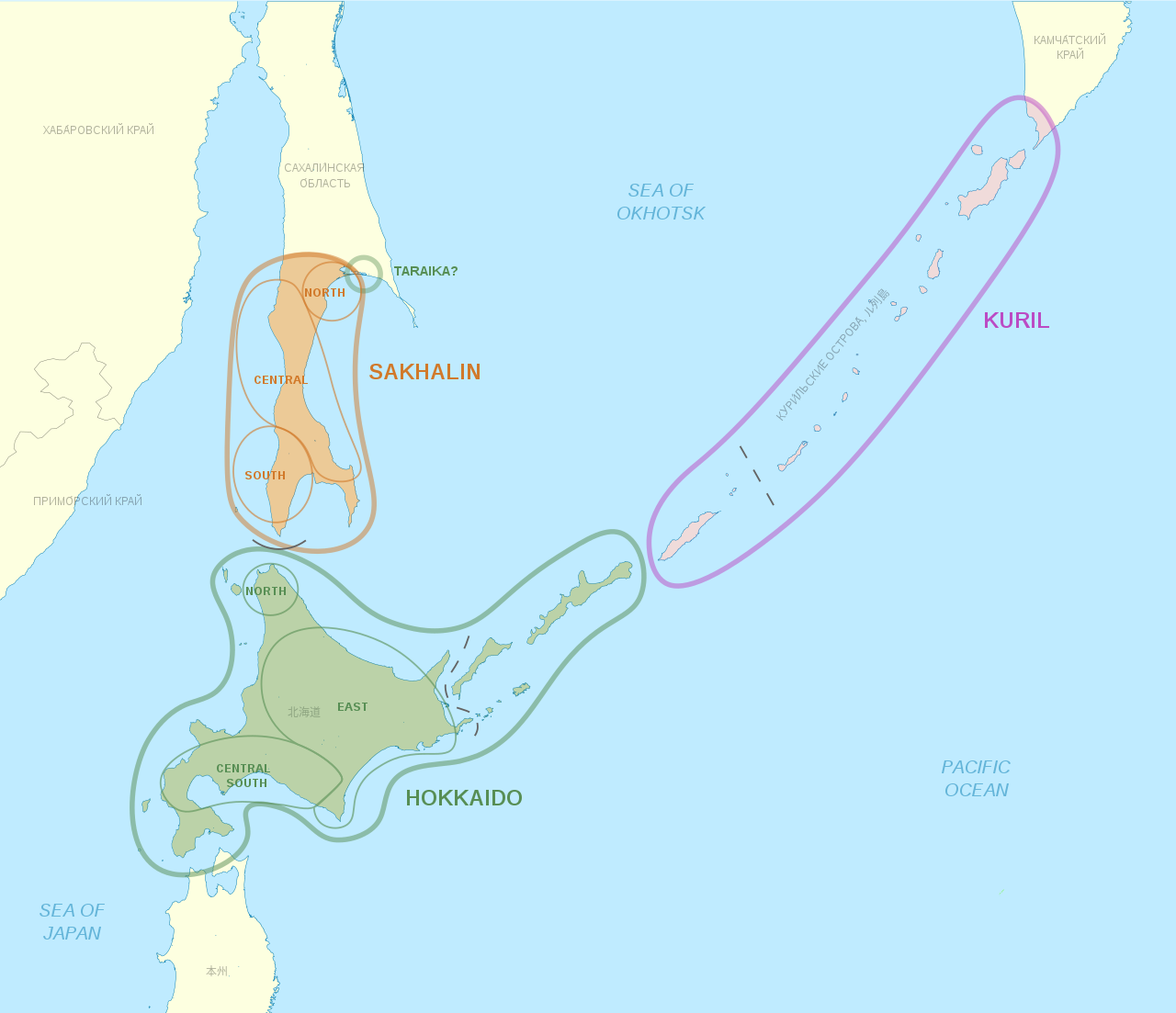
Ainu map


The Unique Linguistic Profile of Ainu
Ainu Itak, or Hokkaido Ainu, stands as a remarkable linguistic entity, representing the sole surviving member of the Ainu language family. Its classification as a language isolate is a significant point of academic discussion, suggesting a deep historical divergence from any other known language lineage. This isolation presents a unique challenge and opportunity for linguists seeking to understand language evolution and human migration patterns.
The language historically encompassed distinct dialects spoken across Hokkaido, Sakhalin (Sakhalin Ainu), and the Kuril Islands (Kuril Ainu), indicating a broader cultural and linguistic sphere of influence for the Ainu people. The grammatical structures and phonology of Ainu exhibit features that are distinct from the surrounding Japonic and Tungusic language families, further underscoring its unique position. Its study offers invaluable insights into the linguistic diversity that once characterized Northeast Asia.
Historical Trajectory and Cultural Erasure
The narrative of the Ainu language is inextricably linked to the history of the Ainu people and their interactions with expanding Japanese and Russian empires. From the late 19th century onwards, particularly with the colonization of Hokkaido, the Ainu faced systematic policies of assimilation and cultural suppression. These policies, aimed at integrating the Ainu into mainstream Japanese society, actively discouraged the use of their language in public life, education, and even within families.
This historical context of cultural genocide and forced assimilation led to a precipitous decline in the number of Ainu speakers throughout the 20th century. The language, once vibrant and spoken across a significant geographical area, became increasingly marginalized, with younger generations often choosing or being compelled to adopt Japanese.
The Critical State of Endangerment and Revitalization Efforts
By the turn of the 21st century, the Ainu language was in a state of critical endangerment. Reports in 2008 indicated only two elderly individuals spoke it as their first language, a stark indicator of its precarious situation. By 2021, linguist Hiroshi Nakagawa noted that no one in Japan retained Ainu as their native tongue.
This profound loss signifies the near-extinction of a unique linguistic heritage. In response, there have been growing efforts towards language revitalization. These initiatives include documentation projects, language classes, and the promotion of Ainu culture through art, music, and festivals.
The goal is not only to preserve the language but also to foster a renewed sense of identity and pride among the Ainu people and to educate the wider public about this important part of Japan's cultural tapestry.
Linguistic Significance and Broader Implications
The Ainu language holds immense significance beyond its immediate cultural context. As a language isolate, it provides a rare window into potential ancient language families or unique linguistic developments that may have occurred in Northeast Asia. Its study can inform theories about human migration, language contact, and the processes that lead to language diversification and extinction.
The decline of Ainu serves as a critical case study in the impact of colonization and globalization on indigenous languages worldwide. Understanding the factors that led to its endangerment, such as assimilation policies and societal pressures, offers valuable lessons for contemporary efforts to protect and revitalize other threatened languages. The ongoing revitalization work, though challenging, represents a powerful testament to the resilience of cultural identity and the enduring human desire to maintain connection to one's heritage.
See also
Frequently Asked Questions
What is the Ainu language?+
Why is the Ainu language considered endangered?+
How did the Ainu people lose their language?+
Where was the Ainu language spoken?+
What is being done to help the Ainu language?+
Based on content from Wikipedia · Licensed under CC BY-SA 4.0