

Adamstown, Pitcairn Islands
Images

Adamstown, Pitcairn Islands


The Geography of Extreme Isolation
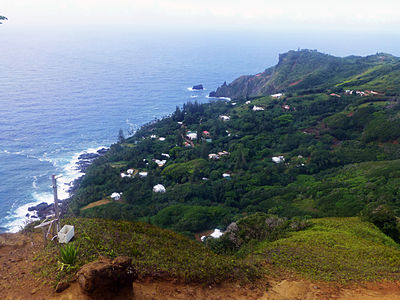
Adamstown is not merely a capital; it is the sole bastion of human habitation within the Pitcairn Islands, a remote archipelago situated in the vast expanse of the South Pacific Ocean. Its geographical isolation is profound, placing it thousands of kilometers from any significant continental landmass. As of 2023, the entire population of the Pitcairn Islands, numbering just 35 individuals, resides within Adamstown.
This concentration of population is unparalleled, as all other islands within the group remain uninhabited. This extreme remoteness dictates every facet of life, from resource management to social dynamics, fostering a unique societal structure. The island's topography presents its own challenges, with the 'Hill of Difficulty' serving as a literal and metaphorical gateway to the settlement, demanding physical effort for access from the sea.
Connectivity in a Disconnected World
In an era defined by instant global communication, Adamstown presents a fascinating paradox. While possessing access to modern amenities such as television and satellite internet, its primary means of long-distance communication remains the ham radio. This reliance on amateur radio highlights the practical limitations imposed by its isolation.
Satellite internet, while available, may be subject to bandwidth constraints or high costs, making the robust and reliable nature of ham radio indispensable for certain communications. This duality reflects the community's ability to embrace technological advancements while retaining traditional, resilient communication methods that have served them for generations. The 'Hill of Difficulty' is not just a physical obstacle but also a symbol of the effort required to connect with the outside world.
Societal Structure and Self-Sufficiency
The population of Adamstown, a mere 35 people, makes it the third-smallest capital city globally by population. This demographic reality necessitates an exceptionally high degree of social cohesion and interdependence. The residents are not only the inhabitants but also the primary producers of their sustenance, cultivating food in various sections of the island.
This agricultural self-sufficiency is a cornerstone of their survival strategy, minimizing reliance on external supply chains that are inherently vulnerable due to the extreme distance. The entire community lives and works within this singular settlement, fostering a deep sense of shared responsibility and collective identity. This intimate social fabric is a direct consequence of their unique geographical and demographic circumstances.
Historical Echoes and Modern Relevance
Adamstown's significance extends beyond its present-day status as a micro-capital. It is intrinsically linked to the historical narrative of the Pitcairn Islands, most notably the mutiny on the HMS Bounty. The descendants of the mutineers and their Tahitian companions form the foundational lineage of the current population.
This historical legacy imbues Adamstown with a unique cultural identity, a living testament to a dramatic maritime event. For geographers and sociologists, Adamstown serves as a compelling case study in extreme isolation, community resilience, and the adaptation of modern technologies in remote environments. Its existence challenges conventional notions of statehood and governance, offering insights into human adaptability and the enduring power of community in the face of overwhelming geographical challenges.
Governance and Economic Realities
As the capital of the Pitcairn Islands, Adamstown is the administrative center for this British Overseas Territory. Governance is relatively straightforward given the small population, with a focus on maintaining essential services and managing the territory's unique affairs. The economy of Adamstown is primarily based on subsistence agriculture and fishing, supplemented by revenue from tourism and the sale of postage stamps and handicrafts.
The remote location makes traditional economic development challenging, and the community relies heavily on external support for certain goods and services. The Pitcairn Islanders have developed a unique creole language, Pitkern, which is a blend of 18th-century English and Tahitian, further underscoring their distinct cultural heritage.
See also
Frequently Asked Questions
What is Adamstown?+
Why is Adamstown so far from other places?+
How do people in Adamstown talk to the rest of the world?+
What do people in Adamstown grow for food?+
Who are the people who live in Adamstown?+
Based on content from Wikipedia · Licensed under CC BY-SA 4.0