

Accra: Ghana's Sunny Capital!
Images

Accra


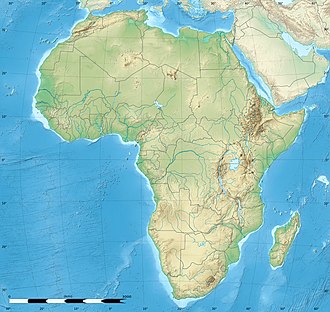


Geographical Anchoring
Accra's strategic position on the southern coast of Ghana, bordering the Gulf of Guinea, has been pivotal throughout its history. This location on the Atlantic Ocean provides direct access to maritime trade routes, influencing its development as a commercial center. The Greater Accra Region encompasses 3,245 km² (1,253 sq mi), serving as the administrative and population nucleus for the nation.
By the 2021 census, this region was home to 5.46 million inhabitants, highlighting its significance as a major urban agglomeration in West Africa. The city's climate is tropical savanna, characterized by high temperatures and humidity year-round, with distinct wet and dry seasons that impact daily life and agriculture in the surrounding areas. This coastal setting not only facilitates trade but also shapes the cultural identity and lifestyle of its residents.
From Fortified Settlements to National Capital
The genesis of Accra lies in the convergence of distinct coastal settlements-Jamestown, Usshertown, and Christiansborg-each evolving around European trading forts established from the 17th century onwards. Fort James (British), Fort Crêvecoeur (Dutch, now Ussher Fort), and Fort Christiansborg (Danish, now Osu Castle) were centers of commerce, particularly in gold and enslaved people, before the focus shifted. Accra rose to prominence when it was designated the capital of the British Gold Coast in 1877, a role it maintained through Ghana's independence in 1957.
This historical trajectory is visibly etched in its urban fabric, where 19th-century colonial administrative buildings and residential structures coexist with contemporary high-rise apartments and commercial complexes, presenting a unique architectural narrative of transition and modernization.
Demographic Dynamics and Cultural Vibrancy
Accra is a dynamic metropolis, with the Greater Accra Region housing over 5.46 million people and the broader Greater Accra Metropolitan Area (GAMA) encompassing approximately 4 million. This density makes it one of Africa's largest metropolitan areas. The city is a melting pot of Ghana's diverse ethnic groups, fostering a rich cultural landscape.
While English serves as the official language for government and business, indigenous languages such as Ga (the traditional language of Accra) and Twi are widely spoken in daily life. Accra is renowned for its pulsating music scene, contributing significantly to genres like Highlife and Hiplife, which have gained international recognition. Its bustling markets, such as Makola Market, are vital centers of commerce and social interaction, offering a sensory immersion into Ghanaian life.
Accra's Role as Ghana's Economic and Political Epicenter
As the capital of Ghana, Accra functions as the nation's primary political, economic, and financial hub. It hosts the seat of government, major national institutions, and the headquarters of numerous domestic and international corporations. The city's economy is driven by a robust service sector, including finance, telecommunications, and tourism, alongside significant manufacturing and trade activities.
Its port facilities are crucial for Ghana's international commerce. The Globalization and World Cities Research Network's designation of Accra as a 'Gamma −' global city in 2020 underscores its increasing importance in international networks and its growing influence on the global stage. Accra is not just a city; it is the engine driving Ghana's national development and its integration into the global economy.
Governance and Future Trajectory
Accra's governance structure has evolved significantly. Historically administered as a single entity, the Accra Metropolitan District has since been divided into thirteen local government districts. The core Accra Metropolitan District, though reduced in size, retains city status and serves as the administrative heart.
This decentralization aims to improve service delivery and local governance. The city faces challenges common to rapidly growing urban centers, including infrastructure development, traffic management, and housing, but it also presents immense opportunities. Its role as a political capital, economic powerhouse, and cultural beacon positions Accra as a critical player in Ghana's ongoing development and its aspirations for greater regional and global prominence.
Go deeper
Frequently Asked Questions
What is Accra?+
Why is Accra located on the coast?+
How many people live in Accra?+
What languages do people speak in Accra?+
What kind of music is famous in Accra?+
Based on content from Wikipedia · Licensed under CC BY-SA 4.0