

Abyssinia: A Land of Old Stories!
Images
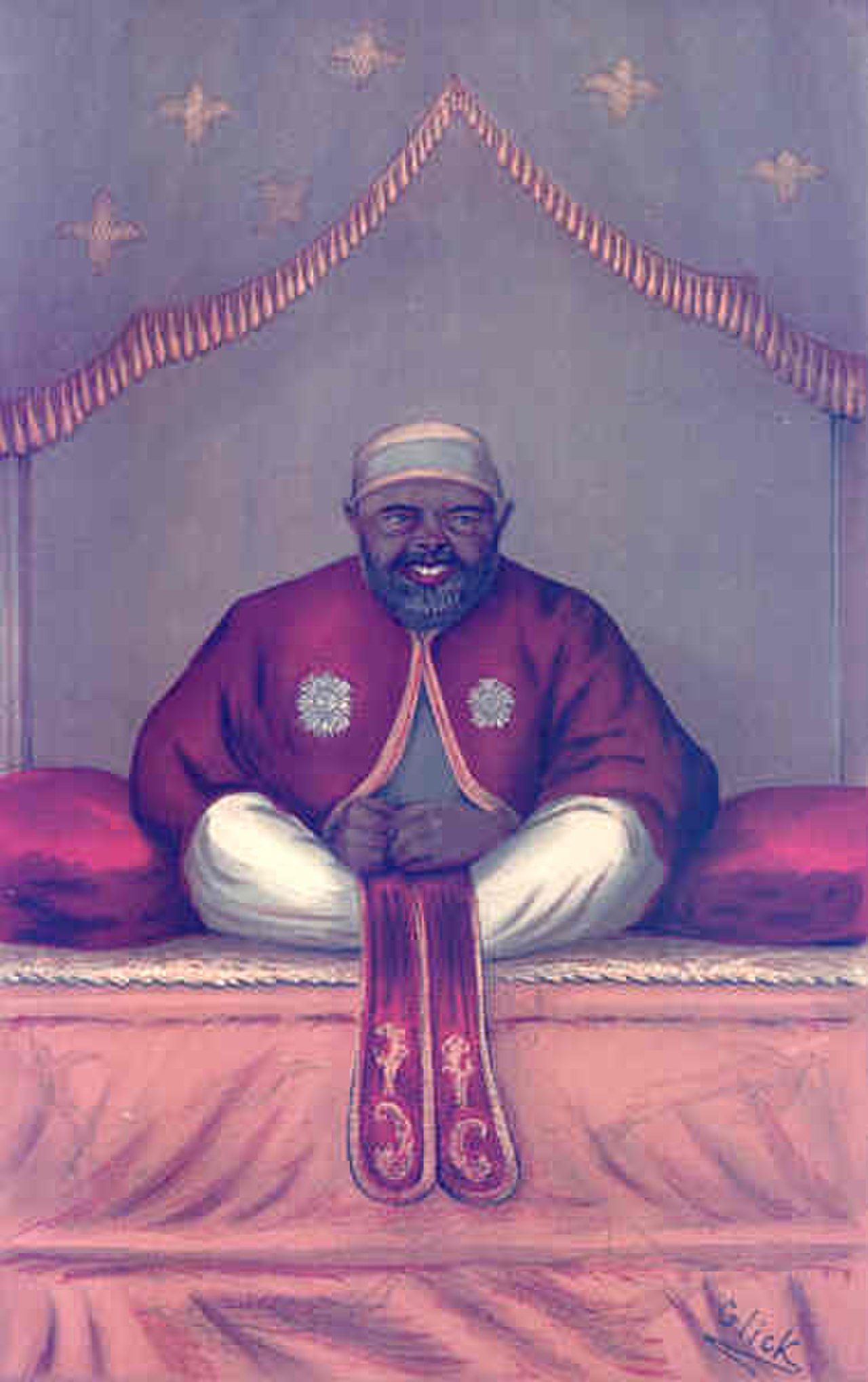
Emperor Of Abyssinia Vanity Fair 1897 07 29


Defining Abyssinia
Abyssinia refers to an ancient region situated in the northern highlands of modern-day Ethiopia and Eritrea. It's crucial to understand that 'Abyssinia' was not a formal political entity in the same way a modern nation-state is, but rather a geographical and cultural designation. The term was historically applied to the highlands, a distinct geographical zone characterized by its elevation and often mountainous terrain.
This region was, and remains, the ancestral homeland of key ethnic groups, most notably the Amhara, Tigrayan, and Tigrinya-speaking peoples. The persistent use of 'Abyssinia' as a synonym for Ethiopia, extending well into the 20th century, underscores its deep historical resonance and its function as a widely recognized identifier for this specific, culturally rich part of Northeast Africa.
The Highland Crucible
The northern highlands of Ethiopia and Eritrea served as the crucible for the development of Abyssinian civilization. This elevated geography influenced everything from agricultural practices to societal structures and defense strategies. The Amhara, Tigrayan, and Tigrinya communities, who predominantly inhabited these highlands, developed complex societies with rich traditions, distinct languages, and unique cultural expressions.
Their historical interactions, both cooperative and conflict-driven, within this defined region forged a shared historical narrative. The highlands provided a degree of isolation that allowed for the unique development of their cultures, while also serving as a strategic center for regional power dynamics and the formation of ancient Ethiopian states.
Lexical Longevity
The term 'Abyssinia' enjoyed remarkable lexical longevity, serving as a primary identifier for the Ethiopian realm for centuries. Its widespread adoption by external observers and its internal usage as a synonym for Ethiopia persisted until the mid-20th century. This prolonged period of usage means that much of the historical literature, diplomatic correspondence, and academic study concerning Ethiopia from antiquity up to the modern era will refer to the country as Abyssinia.
Understanding this linguistic continuity is vital for historical research, as it bridges ancient and more recent periods and highlights how external perceptions and internal nomenclature evolved. The eventual shift towards 'Ethiopia' reflects a complex interplay of national identity, political modernization, and a desire to reclaim an ancient, indigenous name.
The Enduring Significance of Abyssinia
The historical and cultural significance of Abyssinia cannot be overstated. It represents the heartland of ancient Ethiopian kingdoms and empires, laying the groundwork for the modern Ethiopian state. The cultural and linguistic heritage of the Amhara, Tigrayan, and Tigrinya peoples, deeply rooted in this region, continues to be a defining element of Ethiopian and Eritrean identity.
Studying Abyssinia provides critical insights into the historical trajectory of Northeast Africa, including its religious history, political development, and enduring cultural traditions. It serves as a reminder of the deep historical layers that inform contemporary regional dynamics and the complex interplay between geography, ethnicity, and nomenclature in shaping collective identity.
Abyssinia in Context
Abyssinia is intrinsically linked to the broader history of the Horn of Africa. Its highlands were a center of ancient trade routes, religious movements (particularly Christianity), and state formation. The historical narratives emanating from Abyssinia have influenced neighboring regions and continue to be studied in the context of African history, ancient civilizations, and the development of distinct cultural spheres.
The persistence of the name 'Abyssinia' for so long also speaks to the continuity of cultural and ethnic groups in the region, even as political boundaries and names have shifted over millennia. Understanding Abyssinia is key to comprehending the historical depth and cultural richness of Ethiopia and Eritrea today.
See also
Frequently Asked Questions
What is Abyssinia?+
Why is Abyssinia also called Ethiopia?+
Where did the people who live in Abyssinia come from?+
How did the highlands shape life in Abyssinia?+
When did people stop calling the country Abyssinia?+
Based on content from Wikipedia · Licensed under CC BY-SA 4.0