

Abdul Rahim Khan-i-Khanan
Images
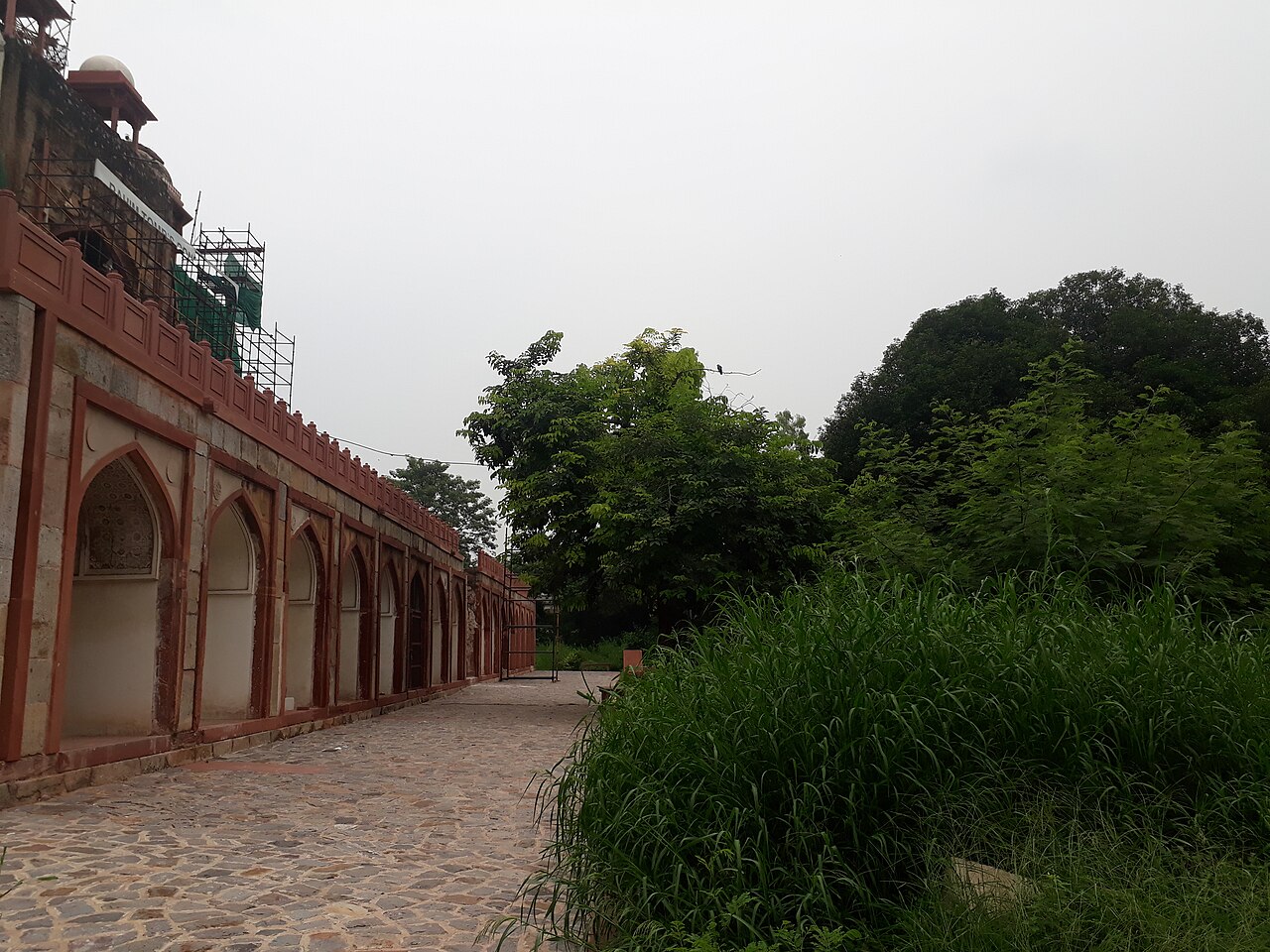
Abdul Rahim Khan-I-Khanan.jpg 06


The Literary Prowess of a Royal Confidant
Abdul Rahim Khan-i-Khanan, born in 1556, was a towering figure of the late Mughal period, renowned for his profound contributions to Hindi and Urdu literature. His poetic output, primarily in the form of 'dohe' (couplets), cemented his reputation as one of the most influential poets of his era. These concise verses, characterized by their lyrical beauty and philosophical depth, explored themes of ethics, human relationships, wisdom, and the transient nature of life.
Rahim's ability to articulate complex ideas in simple, memorable language made his poetry resonate deeply with a wide audience, transcending social strata. His work provided moral guidance and practical advice, offering insights into virtues such as patience, humility, and the importance of selfless action. The enduring popularity of his couplets speaks to their timeless relevance and his masterful command of poetic expression.
His literary legacy is not merely aesthetic; it is deeply didactic, shaping cultural values and providing a rich source of ethical reflection for generations.
A Cornerstone of Akbar's 'Nine Jewels'
Rahim's significance extends far beyond his literary achievements; he was a crucial member of Emperor Akbar's inner circle, recognized as one of the esteemed 'Navaratnas' (nine jewels). This elite group represented the pinnacle of intellectual and administrative talent within the Mughal Empire, and Rahim's inclusion underscores his exceptional capabilities. As a trusted minister and advisor, he played a vital role in the governance and policy-making of Akbar's vast dominion.
His position within the Navaratnas indicates a deep level of trust and respect from the emperor, suggesting that Rahim's counsel was highly valued in matters of state. The Navaratnas were a deliberate strategy by Akbar to foster an environment of intellectual diversity and excellence, and Rahim, with his unique blend of literary genius and administrative acumen, was an indispensable component of this distinguished assembly. His multifaceted role highlights the interconnectedness of arts, sciences, and governance in the Mughal court.
The Astute Scholar and Patron of Learning
Beyond his celebrated poetry and his role as a royal advisor, Abdul Rahim Khan-i-Khanan was also a dedicated scholar, particularly in the field of astrology. During the Mughal era, astrology was not merely a mystical pursuit but an integrated discipline that informed decision-making, calendar-keeping, and understanding of cosmic influences. Rahim authored significant works on astrology, contributing to the existing body of knowledge and making complex astrological principles more accessible.
This intellectual pursuit demonstrates a keen analytical mind, complementing his creative talents as a poet. His scholarly endeavors reflect the broader intellectual climate of the Mughal court, which encouraged the study of various sciences and humanities. Furthermore, Rahim was known to be a patron of learning and the arts, supporting scholars and poets, thereby fostering a vibrant cultural and intellectual environment.
His patronage played a role in the flourishing of literature and scholarship during his lifetime.
Enduring Influence and Historical Context
The life and work of Abdul Rahim Khan-i-Khanan are deeply embedded within the historical context of the Mughal Empire's golden age. His 'dohe' continue to be studied and recited, offering timeless wisdom that transcends centuries and cultural boundaries. They are a testament to the rich literary heritage of India and the sophisticated patronage of the arts by Mughal rulers like Akbar.
Rahim's dual role as a literary giant and a key political figure provides valuable insight into the functioning of the Mughal court, where intellectual pursuits and statecraft were often intertwined. His contributions to both poetry and astrology showcase a Renaissance-like breadth of knowledge and skill. In contemporary times, Rahim's poetry remains a significant cultural touchstone, studied in academic circles and cherished by the public for its ethical teachings and artistic merit.
His legacy serves as a reminder of the profound impact individuals can have on culture, governance, and intellectual thought.
See also
Frequently Asked Questions
Who was Abdul Rahim Khan-i-Khanan?+
What kind of poems did he write?+
What was the Navaratnas?+
Did he study anything besides poetry?+
How did he help the Mughal Empire?+
Based on content from Wikipedia · Licensed under CC BY-SA 4.0