

2016 Manila Local Elections: Who Got to Lead the Big City!
Images

JosephEstradajf1486



Manila
Manila, the historical and political heart of the Philippines, is more than just a geographical location; it is a crucible of national identity and a critical center for governance and economic activity. Situated on the eastern shores of Manila Bay, this densely populated metropolis is characterized by a complex urban landscape, blending colonial architecture with modern development. Its strategic importance as the national capital means that its local elections often carry national implications, drawing significant media attention and reflecting broader political trends.
The city's diverse population, with its varied socio-economic strata, presents a unique electorate whose decisions in local polls can signal shifts in national sentiment. Understanding Manila's context-its historical evolution, its economic drivers, and its social fabric-is essential to appreciating the nuances of its electoral processes and the significance of the outcomes.
The Mayoral Contest
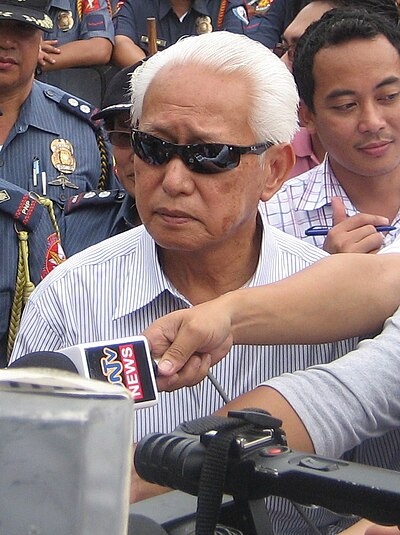
The 2016 mayoral election in Manila was a compelling illustration of political endurance and the enduring impact of public image. Incumbent Mayor Joseph Estrada, a figure with a storied past as both a movie star and a former President of the Philippines, sought to secure a second consecutive term. His closest challenger was Alfredo Lim, another former mayor of Manila, whose own political legacy was well-established. This contest was not merely about policy proposals but also about leveraging name recognition and past achievements.
The razor-thin margin of victory, with Estrada winning by just over 2,000 votes, underscores the highly competitive nature of Manila politics and the deep divisions that can exist within the electorate. Such close races often highlight the importance of voter turnout and the effectiveness of campaign strategies in mobilizing support.
Vice Mayoral Mandate and the City Council's Role
The election for vice mayor in 2016 also provided significant insights into the political landscape. Dr. Maria Sheilah “Honey” Lacuna-Pangan, running as Estrada's vice-mayoral candidate, secured a decisive victory with 268,969 votes.
Her win, as the daughter of a prominent former vice mayor, suggests a degree of dynastic influence and a successful appeal to voters who valued continuity and familiarity. The election of 36 councilors to the Manila City Council was equally critical. These individuals are tasked with the legislative functions of the city, including the creation and amendment of local ordinances, budget approval, and oversight of city departments.
Their collective decisions shape the policy direction of Manila, impacting everything from public health and education to urban planning and economic regulation, thereby playing a pivotal role in the city's governance.
Civic Engagement and the Democratic Process in Manila
The 2016 Manila local elections served as a potent reminder of the fundamental role of civic engagement in a democratic society. The act of voting is the primary mechanism through which citizens exercise their power to choose their representatives and influence the direction of their communities. In Manila, the high stakes of local governance-affecting the daily lives of millions-underscore the importance of informed participation.
The close results in the mayoral race, in particular, emphasize that every vote carries weight and that electoral outcomes can be profoundly influenced by even small shifts in public opinion. These elections contribute to the ongoing narrative of Philippine democracy, showcasing the dynamic interplay between political personalities, party affiliations, and the evolving priorities of the urban electorate.
Socio-Political Context and Electoral Outcomes
The 2016 Manila local elections occurred within a broader national political context, influenced by the preceding national elections and prevailing socio-economic conditions. The performance of candidates like Joseph Estrada, a former president, and Alfredo Lim, a former mayor, demonstrates the persistent influence of established political families and personalities in Philippine local politics. The success of Dr.
Lacuna-Pangan as a running mate also points to the strategic importance of ticket balancing and the appeal of candidates with strong local roots and familial political connections. The election of 36 councilors signifies a distributed form of power within the city government, requiring negotiation and consensus-building among diverse political factions to effectively govern. This intricate web of relationships and power dynamics is characteristic of Philippine local governance and shapes the implementation of policies and public services within the capital.
See also
Based on content from Wikipedia · Licensed under CC BY-SA 4.0