

1924 Winter Olympics
Images

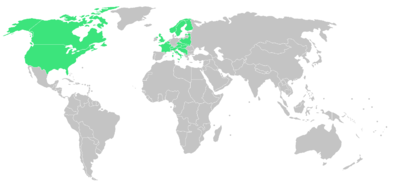
1924 Winter Olympic Games medals map




Chamonix 1924
The establishment of the 1924 Winter Olympics in Chamonix, France, was a deliberate and significant step in the evolution of the modern Olympic movement. Prior to this, winter sports like figure skating and ice hockey were occasionally featured within the Summer Olympic program, but this arrangement proved increasingly impractical due to seasonal and logistical constraints. The growing international interest in winter sports led to calls for dedicated Olympic recognition.
At the 1921 IOC convention in Lausanne, a consensus emerged: France, as the host of the 1924 Summer Games, would also organize an 'International Winter Sports Week' in Chamonix. This event, held from January 25 to February 5, 1924, was not initially branded as the 'Winter Olympics.' However, its overwhelming success and the enthusiastic participation of athletes from 16 nations demonstrated a clear demand for a standalone winter competition. Recognizing this, the IOC officially retroactively designated the Chamonix event as the 'I Olympic Winter Games' in 1925, thereby creating a distinct lineage and setting a crucial precedent for future Winter Olympic Games.
Athletic Endeavors and the Dawn of Winter Olympic Competition
The inaugural Olympic Winter Games in Chamonix featured a diverse array of disciplines that tested the physical and mental fortitude of the participating athletes. The program included sports such as bobsleigh, where teams navigated treacherous icy tracks at high speeds; cross-country skiing, demanding exceptional endurance over long distances; figure skating, showcasing artistry and technical precision; ice hockey, a fast-paced team sport; and ski jumping, a breathtaking display of aerial prowess.
Other events like curling, skeleton, and military patrol (a precursor to biathlon) also contributed to the rich tapestry of the Games. The competitions were characterized by intense rivalry and remarkable displays of athletic achievement, with athletes pushing the boundaries of their respective sports. The spirit of camaraderie and international goodwill was a hallmark of these early Games, laying the foundation for the global sporting spectacle that the Winter Olympics would become.
Strategic Vision and the Olympic Calendar Shift
The creation of the Winter Olympics was not merely about adding more sports; it represented a strategic vision to elevate winter athletics to an equal footing with summer sports. The initial plan was to hold the Winter and Summer Olympics in the same year, a tradition that continued until 1992. This synchronized approach aimed to maximize the Olympic brand's impact.
However, the logistical and financial demands of hosting two separate Games annually eventually led to a significant shift. Following the 1992 Albertville Winter Olympics, the IOC decided to stagger the Winter and Summer Games, with the Winter Olympics now held two years after each Summer Olympics. This adjustment allowed each event to receive more focused attention and resources, ensuring the continued growth and sustainability of both the Summer and Winter Olympic traditions.
The decision made in Chamonix in 1924 indirectly paved the way for this later strategic evolution.
Pioneering Athletes and the Enduring Legacy of Chamonix 1924
The 1924 Winter Olympics produced several athletes whose performances became legendary and continue to inspire. Norway's Thorleif Haug was a dominant figure, securing three gold medals in Nordic combined and cross-country skiing, solidifying Norway's early reputation in these disciplines. In speed skating, Finland's Clas Thunberg emerged as a multi-medalist, demonstrating exceptional speed and versatility. The Games also saw the emergence of pioneering female athletes, though their participation was more limited compared to today.
Beyond individual achievements, the Chamonix Games established a vital precedent. The closing ceremony, notably, included the awarding of medals for 'Alpinism' (mountaineering) to members of the 1922 British Mount Everest expedition, represented by Lt Col Edward Strutt. This inclusion, though not an official competition event, hinted at the broader scope of human endeavor that the Olympic spirit could encompass, adding another layer to the legacy of this foundational winter event.
See also
Frequently Asked Questions
Where were the first Winter Olympics held?+
How many countries joined the 1924 Winter Games?+
What sports were played at the 1924 Winter Olympics?+
Why was the 1924 event called the International Winter Sports Week?+
What did the 1924 Winter Olympics show about winter sports?+
Based on content from Wikipedia · Licensed under CC BY-SA 4.0