

Yves Montand
Images

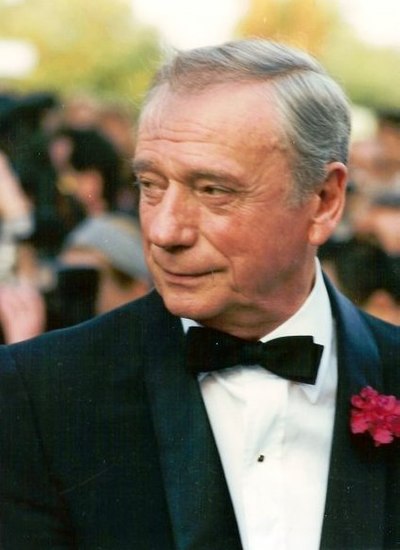
Yves Montand in ons land voor optreden in Koninklijke Schouwburg te Den Haag, Bestanddeelnr 917-4143 (cropped)




The Genesis of a Star
Yves Montand, born Ivo Livi on October 13, 1921, in Monsummano Terme, Italy, represents a fascinating case study in artistic migration and cultural assimilation. His family's move to Marseille, France, in his youth laid the groundwork for a career that would redefine French popular entertainment. Initially drawn to the performing arts through singing, Livi adopted the stage name Yves Montand and began his ascent in the Parisian cabaret scene.
His early performances were characterized by a raw energy and a relatable persona that resonated with post-war audiences. This period was crucial in honing his skills, developing his signature vocal style, and establishing the charismatic stage presence that would become his trademark. His ability to connect with the common person, combined with his undeniable talent, set him apart from his contemporaries and signaled the arrival of a significant new artist.
Montand's Multifaceted Artistry
Montand's career was not confined to a single artistic discipline; he masterfully navigated both the worlds of music and film, achieving significant acclaim in both. As a singer, he possessed a voice that was both powerful and nuanced, capable of conveying deep emotion and lighthearted joy. His repertoire spanned romantic ballads, patriotic anthems, and socially conscious songs, making him a voice for his generation.
Simultaneously, his transition to acting proved equally successful. He starred in a diverse range of films, from comedies to dramas, often collaborating with renowned directors. His performances were marked by a naturalistic style and an inherent likability, allowing him to portray complex characters with authenticity.
This dual mastery cemented his status as a versatile and enduring artist, contributing significantly to the cultural landscape of 20th-century France.
Cultural Significance and Enduring Legacy
Yves Montand is widely regarded as one of France's greatest 20th-century artists, a title earned through his profound impact on French culture. His work often reflected the social and political currents of his time, giving voice to the hopes and anxieties of the era. Beyond his artistic contributions, Montand also served as a cultural ambassador, embodying a certain French joie de vivre and sophistication that captivated international audiences.
His enduring legacy lies not only in his extensive discography and filmography but also in his ability to connect with people across different backgrounds and generations. He demonstrated how art can transcend national borders and personal histories, leaving an indelible mark on the collective memory.
The Weaver of Melodies and Stories
Throughout his career, Yves Montand continuously evolved as an artist, adapting to changing times while retaining his core appeal. His musical journey saw him collaborate with some of the most influential songwriters and composers, resulting in a catalog of timeless songs that remain popular today. In cinema, he proved his mettle by taking on challenging roles that showcased his acting range.
He wasn't afraid to explore different genres and character types, which kept his career dynamic and his audience engaged. This commitment to artistic growth and exploration is a key reason why Montand's work continues to be studied and appreciated, offering insights into the cultural and artistic movements of his time.
See also
Frequently Asked Questions
Who was Yves Montand?+
Why did he use the name Yves Montand instead of Ivo Livi?+
What kinds of songs did Yves Montand sing?+
What types of movies did he act in?+
How did Yves Montand help people with his art?+
Based on content from Wikipedia · Licensed under CC BY-SA 4.0