

Yamanashi Prefecture
Images

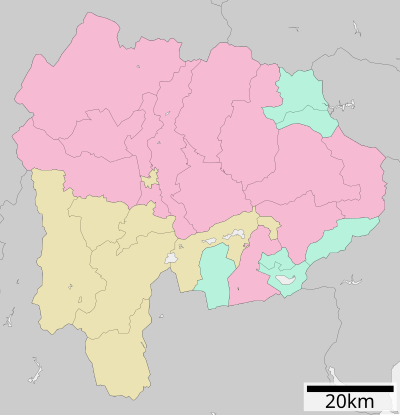
File:Uenohara in Yamanashi Prefecture Ja.svg




Geographical Identity
Yamanashi Prefecture occupies a significant portion of Japan's central Chūbu region, characterized by its mountainous terrain and its status as one of the nation's eight landlocked prefectures. This geographical isolation from the sea has profoundly shaped its development and identity. Bordering Saitama, Nagano, Shizuoka, Kanagawa, and Tokyo, Yamanashi acts as a crucial inland hub.
The prefecture's topography is dominated by the Akaishi Mountains, a subrange of the Japanese Alps, which contribute to its rugged beauty and influence its climate. The majority of its population is concentrated in the Kōfu Basin, a relatively flat and fertile area that serves as the administrative and economic heart. The commitment to conservation is evident, with 27% of Yamanashi's total land area designated as Natural Parks, safeguarding its pristine natural resources and biodiversity for future generations.
The Majestic Presence of Mount Fuji and Alpine Peaks
Yamanashi Prefecture is inextricably linked with Mount Fuji, Japan's tallest peak and a UNESCO World Heritage site. A significant portion of this iconic stratovolcano, standing at 3,776 meters, lies within Yamanashi's borders, offering breathtaking views and drawing countless visitors. Beyond Fuji, the prefecture is a gateway to the Southern Japanese Alps, featuring numerous peaks exceeding 3,000 meters.
These alpine environments provide critical habitats for unique flora and fauna and are central to Yamanashi's appeal for outdoor recreation, including mountaineering, hiking, and skiing. The dramatic elevation changes also contribute to diverse microclimates, influencing everything from agriculture to the distribution of natural vegetation zones across the prefecture.
Agricultural Prowess
Despite its mountainous terrain, Yamanashi Prefecture has cultivated a reputation as one of Japan's premier agricultural regions, particularly renowned for its high-quality fruit production. The prefecture is a national leader in the cultivation of grapes, peaches, and cherries. The unique climatic conditions, including significant diurnal temperature variations and well-drained, mineral-rich soils derived from volcanic activity, are ideal for developing intense flavors and sugars in fruits.
Yamanashi peaches, in particular, are celebrated for their size, juiciness, and delicate texture. This agricultural success is not merely about volume but about a dedication to quality, often involving meticulous cultivation techniques and branding that emphasizes the premium nature of Yamanashi produce, making it highly sought after in domestic and international markets.
Economic Landscape
Yamanashi Prefecture's economy is a dynamic interplay between its traditional strengths and modern industrial development. Agriculture remains a vital sector, with fruit farming contributing significantly to its economic output and cultural identity. Complementing this, the prefecture boasts a robust manufacturing base, particularly in areas like optical instruments, electronics, and automotive components.
The capital, Kōfu, serves as the primary commercial and industrial center, hosting numerous businesses and research facilities. The prefecture actively promotes tourism, leveraging its natural beauty, including Mount Fuji and its alpine landscapes, as well as its renowned fruit orchards and wineries, to attract visitors. This diversified economic strategy aims to create sustainable growth while preserving the unique character of Yamanashi.
Governance and Educational Framework
Yamanashi Prefecture operates under Japan's decentralized administrative system, with a prefectural government headed by an elected governor and a prefectural assembly responsible for legislation and budget oversight. This structure ensures that local needs and priorities are addressed while adhering to national policies. The prefecture's educational system is comprehensive, encompassing public and private institutions from kindergarten through university level.
Yamanashi University, located in Kōfu, is a key institution for higher learning and research, offering a range of programs that contribute to the region's intellectual capital and workforce development. Emphasis is placed on fostering critical thinking and practical skills, preparing students for diverse career paths within Yamanashi and beyond, while also promoting an understanding and appreciation of the prefecture's unique cultural and natural heritage.
See also
Frequently Asked Questions
What is Yamanashi Prefecture famous for?+
Why do Yamanashi fruits taste so sweet?+
Where is Mount Fuji in Yamanashi?+
What is the capital city of Yamanashi?+
What can people do in Yamanashi besides eating fruit?+
Based on content from Wikipedia · Licensed under CC BY-SA 4.0