

Xiamen
Images
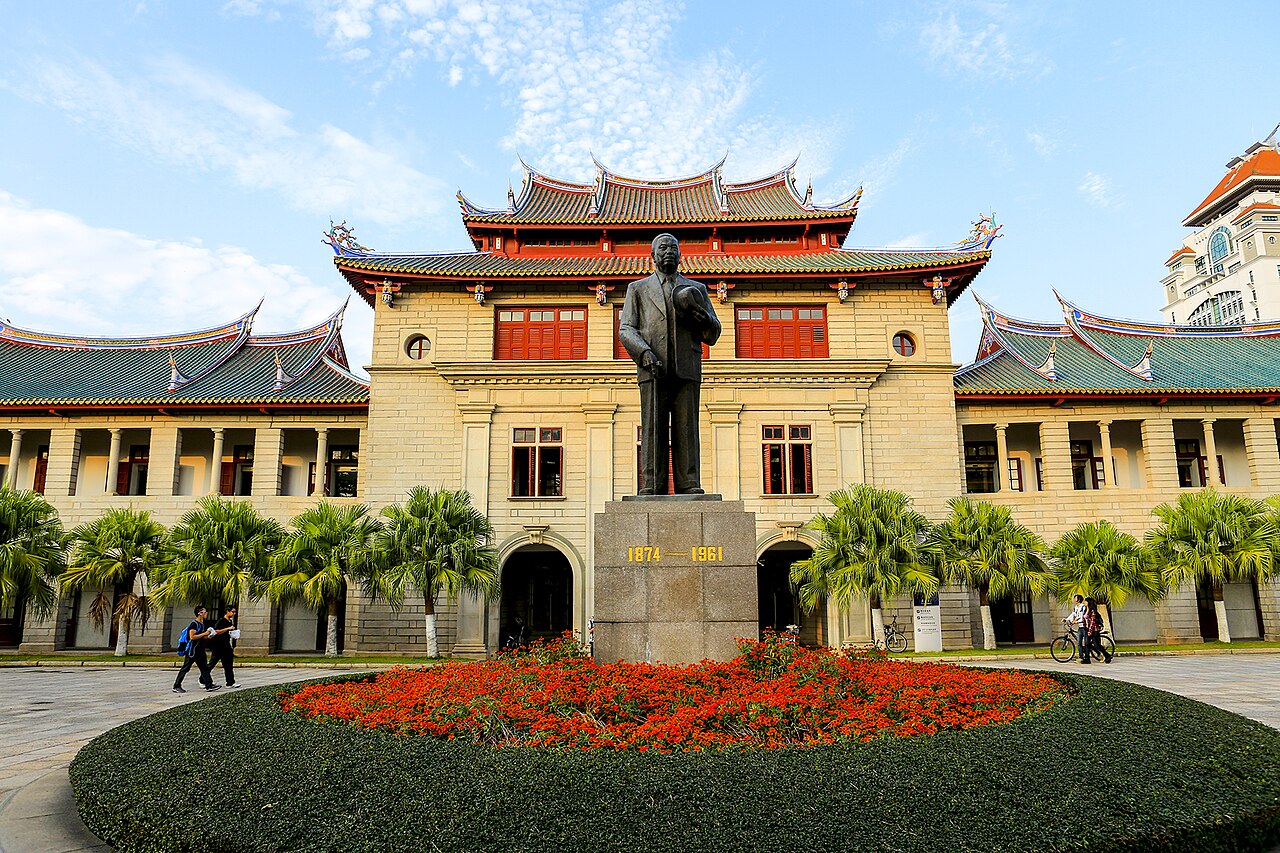
Xiamen
Geographical Advantages and Environmental Considerations
Xiamen's geography is central to its identity and development. Situated on the southeastern coast of China, it comprises Xiamen Island, Gulangyu Island, and parts of the mainland peninsula, overlooking the Taiwan Strait. This strategic maritime position has historically facilitated trade and interaction.
The city experiences a humid subtropical monsoon climate, characterized by abundant rainfall, particularly during the summer monsoon season, and distinct wet and dry periods. While this climate supports lush vegetation and makes the region agriculturally productive, it also presents challenges such as typhoon risks during the summer months. The urban landscape is a dynamic interplay between coastal plains, low hills, and a significant coastline dotted with natural harbors and developed port facilities.
Environmental management is a growing concern, with efforts focused on maintaining air and water quality amidst rapid industrialization and urbanization, balancing economic growth with ecological preservation.
Historical Trajectory
Xiamen's history is deeply intertwined with maritime trade. Initially a small settlement, it rose to prominence as a trading port, particularly during the Ming and Qing dynasties, serving as a gateway for Chinese goods to reach international markets. Its strategic location also made it a focal point during periods of conflict and foreign influence, including its role as a treaty port.
The pivotal moment in its modern history was its designation as one of China's first Special Economic Zones (SEZs) in 1980. This policy initiative aimed to attract foreign investment, technology, and management expertise, transforming Xiamen from a relatively modest port city into a vibrant economic powerhouse. The SEZ framework spurred unprecedented growth in manufacturing, trade, and infrastructure development, laying the foundation for its current status as a major economic center.
Cultural Tapestry and Societal Dynamics
Xiamen's culture is a rich amalgamation of Hokkien traditions, Han Chinese influences, and global cosmopolitanism. The dominant local dialect, Min Nan, is a key marker of its distinct regional identity, though Mandarin Chinese serves as the official language and lingua franca. The city is known for its relatively high quality of life, characterized by clean urban environments, extensive green spaces, and a slower pace compared to northern megacities.
Gulangyu Island stands as a unique cultural enclave, recognized for its well-preserved colonial-era architecture, its status as a 'City of Music,' and its car-free environment, offering a glimpse into a different era. This blend of traditional heritage and modern, outward-looking perspectives shapes the daily lives and social interactions of Xiamen's diverse population.
Economic Pillars
Xiamen's economy is characterized by its strong integration into global markets and its diversified industrial base. As a major port city, international trade and logistics form a cornerstone of its economic activity, facilitating the import and export of a vast array of goods. The city has successfully transitioned into a hub for advanced manufacturing, particularly in the electronics sector, attracting significant foreign direct investment and fostering domestic technological innovation.
Beyond manufacturing, Xiamen is a burgeoning center for financial services, software development, and emerging industries. Tourism also plays a crucial role, leveraging the city's natural beauty, historical sites like Gulangyu, and its reputation for a pleasant living environment. Government policies continue to focus on innovation, sustainable development, and enhancing Xiamen's competitiveness as a regional and international economic center.
Governance and Educational Landscape
Xiamen operates under the administrative structure of the People's Republic of China, functioning as a sub-provincial city within Fujian Province. Its governance is managed by the Xiamen Municipal People's Government, headed by a mayor, and the Xiamen Municipal Committee of the Communist Party of China. This dual leadership structure is typical of Chinese political organization.
The city government is responsible for local administration, economic planning, public services, and implementing national policies at the municipal level. Education is a high priority in Xiamen, with a comprehensive system ranging from kindergartens to universities. The city is home to several reputable institutions, including Xiamen University, one of China's leading comprehensive universities, known for its beautiful campus and strong research programs.
The emphasis on education contributes to a skilled workforce and fosters innovation, aligning with the city's broader economic development goals.
Go deeper
Frequently Asked Questions
What is Xiamen?+
Why is Xiamen a special economic zone?+
Where is Gulangyu Island and why is it special?+
How does the weather in Xiamen affect life there?+
What kinds of jobs do people have in Xiamen?+
Based on content from Wikipedia · Licensed under CC BY-SA 4.0