

Wu-Tang Clan
Images

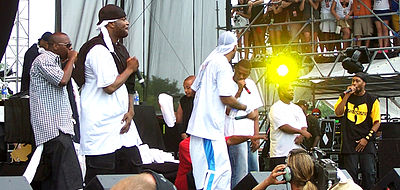
Raekwon . Wu-Tang Clan @ Starland Ballroom . Sayreville . New Jersey




The Genesis of a Hip Hop Dynasty
Emerging from the gritty streets of Staten Island in 1992, the Wu-Tang Clan wasn't just a musical group; they were a cultural phenomenon. Comprised of nine distinct voices-RZA, GZA, Method Man, Raekwon, Ghostface Killah, Inspectah Deck, U-God, Masta Killa, and the inimitable Ol' Dirty Bastard (until his passing in 2004), with Cappadonna later joining officially-they coalesced under the visionary leadership of RZA. Their formation marked a pivotal moment, injecting a raw, unfiltered energy into the East Coast hip hop scene.
Signing with Loud Records, they unleashed their debut album, 'Enter the Wu-Tang (36 Chambers)', in 1993. This album was a sonic revelation, characterized by its lo-fi production, intricate lyrical narratives, and a palpable sense of authenticity that resonated deeply with audiences. It wasn't merely an album; it was a manifesto that challenged the prevailing sounds of the time and laid the groundwork for a new era of hip hop.
Sonic Innovation and Thematic Depth
The Wu-Tang Clan's sonic blueprint was revolutionary. RZA, as the primary producer, masterfully blended samples from obscure martial arts films, classic soul records, and gritty street sounds to create a soundscape that was both dark and mesmerizing. This unique approach, often referred to as 'kung fu hip hop,' provided a rich backdrop for the members' diverse lyrical styles.
Each member brought a distinct persona and flow, contributing to the group's multifaceted appeal. Lyrically, the Wu-Tang Clan delved into complex themes, exploring poverty, systemic injustice, spirituality, and the pursuit of success, all while weaving in intricate narratives and vivid imagery. This thematic richness elevated their music beyond mere entertainment, transforming it into a form of social commentary and artistic expression that demanded attention and contemplation.
Beyond the Music
The Wu-Tang Clan's influence extended far beyond their own discography. They pioneered a business model that allowed individual members to pursue successful solo careers while remaining part of the collective, a strategy that proved immensely fruitful. This decentralized approach fostered a diverse range of artistic expressions and significantly expanded the Wu-Tang brand.
Furthermore, they established the 'Wu-Tang Killa Bees' as an umbrella for affiliated artists, effectively creating a powerful network that launched numerous careers and solidified their dominance in the music industry. Their second album, 'Wu-Tang Forever' (1997), achieved critical and commercial success, debuting at number one on the Billboard 200 and earning a Grammy nomination, cementing their status as hip hop royalty. The group's innovative spirit continued with projects like 'Once Upon a Time in Shaolin', a single-copy album that sparked debate about art, value, and ownership in the digital age.
Enduring Significance in Contemporary Culture
The Wu-Tang Clan's legacy is undeniable and continues to shape contemporary music and culture. Their raw authenticity, innovative production techniques, and profound lyrical content have influenced generations of artists across various genres. They demonstrated the power of a cohesive artistic vision and the potential for independent artists to achieve mainstream success on their own terms.
The group's impact is visible not only in the music they've inspired but also in their enduring cultural relevance, from fashion to film and television. Their ability to adapt and remain influential for over three decades speaks to the timeless quality of their artistry and their profound contribution to the evolution of hip hop as a legitimate and powerful art form.
The Wu-Tang Blueprint
The Wu-Tang Clan's strategic approach to their careers set a precedent for artistic autonomy in the music industry. By allowing members to release solo projects under different labels, they maximized their individual creative output and commercial reach without diluting the collective's identity. This model proved that a group could function as both a unified entity and a platform for individual artistic exploration.
The success of solo albums by members like Method Man, Raekwon, and Ghostface Killah not only enriched the Wu-Tang universe but also demonstrated the commercial viability of their distinct styles. This decentralized yet interconnected structure allowed them to maintain creative control and build a sustainable empire that transcended the typical lifespan of a musical group, solidifying their status as pioneers in more ways than one.
See also
Frequently Asked Questions
Who are the members of the Wu‑Tang Clan?+
When did the Wu‑Tang Clan start?+
What is the Wu‑Tang Clan's first album?+
Why is the Wu‑Tang Clan important?+
What is "kung fu hip hop"?+
Based on content from Wikipedia · Licensed under CC BY-SA 4.0