

Water (data page)
Images

MilankovitchCyclesOrbitandCores




Cosmological Origins and Terrestrial Abundance of Water
The presence of water on Earth is a cornerstone of its habitability, yet its origins are a subject of ongoing scientific inquiry. The prevailing hypothesis suggests a significant contribution from extraterrestrial sources, primarily icy comets and asteroids that bombarded the early Earth during the Late Heavy Bombardment period. These celestial bodies, rich in water ice, acted as delivery mechanisms, seeding the nascent planet.
Subsequent geological processes, including volcanic outgassing, also released water vapor from Earth's interior. This dual origin-exogenous delivery and endogenous release-resulted in the vast hydrosphere that covers approximately 71% of the planet's surface. The unique chemical composition of water (H2O), with its polar covalent bonds, allows for strong intermolecular hydrogen bonding, which dictates many of its extraordinary properties and its capacity to support complex life.
The Anomalous Properties of Water
Water exhibits a suite of anomalous physical and chemical properties that are critical for life and geological processes. Its high specific heat capacity allows it to absorb and release large amounts of thermal energy with minimal temperature change, moderating Earth's climate and stabilizing body temperatures in organisms. The high surface tension, arising from cohesive forces between water molecules, enables phenomena like capillary action, vital for water transport in plants.
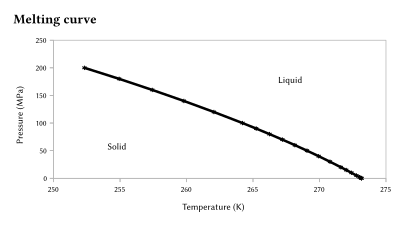
Furthermore, water's density anomaly-where ice is less dense than liquid water-is crucial for aquatic ecosystems, as floating ice insulates underlying water, preventing complete freezing. The ability of water to act as a versatile solvent, dissolving ionic compounds and polar molecules, facilitates countless biochemical reactions, making it the medium of life. These properties are directly attributable to the bent molecular geometry of H2O and the resulting hydrogen bonding network.
Water's Indispensable Role in Earth Systems and Life
Water is not merely a passive substance but an active agent shaping Earth's systems and enabling biological functions. The hydrological cycle, driven by solar energy, continuously circulates water through evaporation, transpiration, condensation, precipitation, and runoff, redistributing heat and moisture across the globe. This cycle is fundamental to weather patterns, erosion, and nutrient transport.
Biologically, water is the universal solvent for cellular processes, acting as a reactant in hydrolysis and a medium for metabolic pathways. Its role in photosynthesis, where it is split to release electrons and protons, is the foundation of most food webs. The precise regulation of water balance (osmoregulation) is a constant challenge for organisms, highlighting its critical importance for survival across all domains of life.
Data-Driven Understanding
The comprehensive study of water's behavior requires precise and extensive data. Resources like the NIST Chemistry WebBook are invaluable repositories of thermophysical properties of fluids, including water. These databases compile data on properties such as density, viscosity, thermal conductivity, specific heat, and phase equilibria across a wide range of temperatures and pressures.
Such data is essential for a multitude of scientific and engineering disciplines. It informs the design of power generation systems (e.g., steam turbines), chemical reactors, climate models, and water purification technologies. Accurate data allows for the prediction of water's behavior under diverse conditions, enabling innovation and ensuring the efficient and safe utilization of this vital resource.
The ongoing collection and refinement of this data underscore water's continued relevance in scientific research and technological advancement.
See also
Frequently Asked Questions
Where does the water on Earth come from?+
Why is water special for life?+
How does water move around the planet?+
Why does ice float on water?+
What can scientists learn from water data?+
Based on content from Wikipedia · Licensed under CC BY-SA 4.0