

Warsaw Uprising
Images
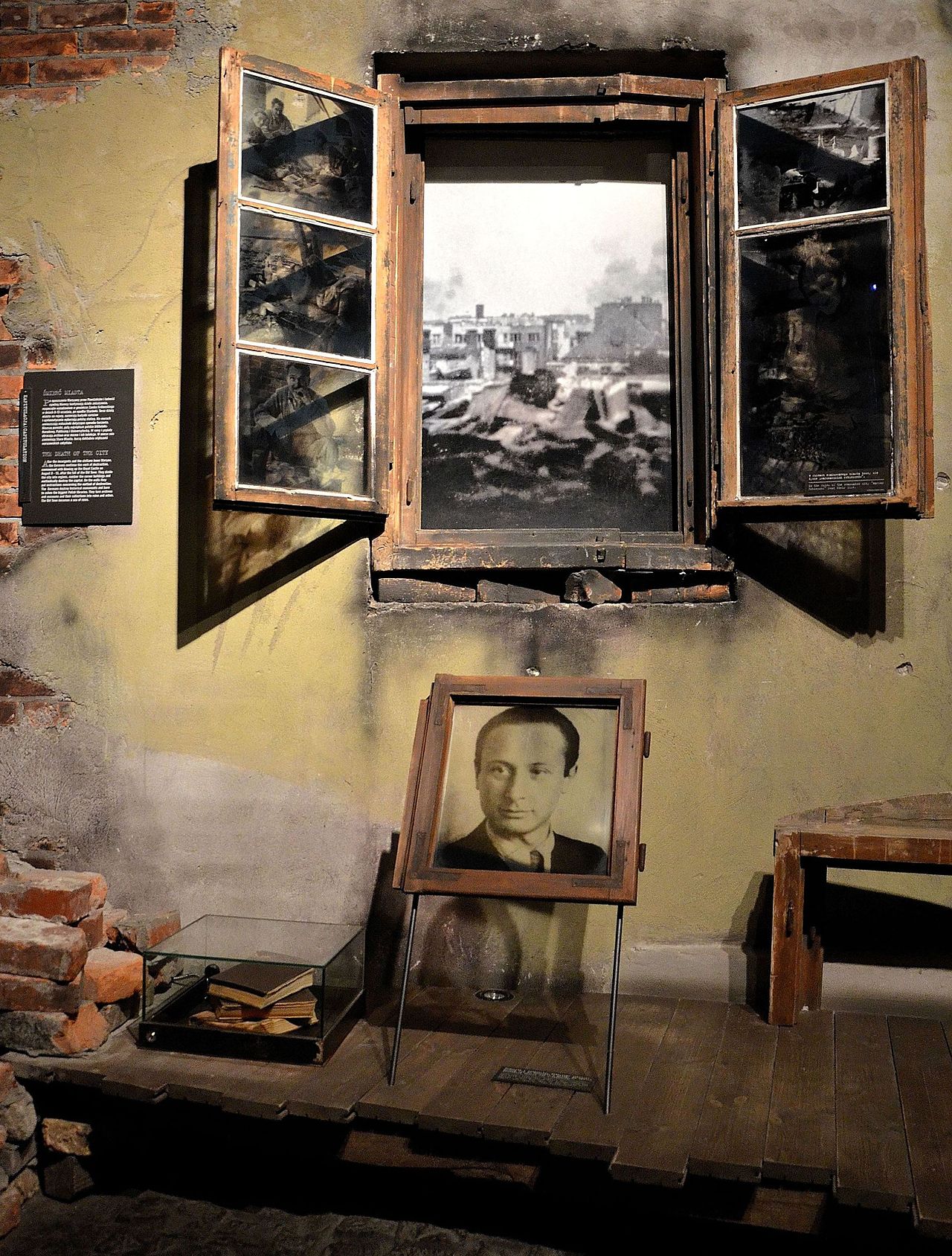
File:Wladyslaw Szpilman Warsaw Uprising Museum.JPG


The Genesis of Revolt
The Warsaw Uprising, commencing on August 1, 1944, was the culmination of years of clandestine resistance against Nazi German occupation. Launched by the Polish Home Army (Armia Krajowa), it was the most significant military undertaking by any European resistance movement during World War II. The uprising was strategically timed to coincide with the Soviet Red Army's advance towards Warsaw, as part of a nationwide Operation 'Tempest.' The primary objectives were twofold: to liberate the Polish capital and assert Polish sovereignty before the Soviet-backed Lublin Committee could establish its authority.
This political goal was as crucial as the military one, aiming to ensure an independent Poland free from Soviet domination, a fear amplified by the presence of Soviet forces on Polish soil and the perceived abandonment by Western Allies.
The 63 Days of Fierce Combat and Shifting Tides
For 63 grueling days, the Home Army engaged in fierce urban warfare against a well-equipped German garrison. Initial successes saw Polish fighters liberate significant portions of the city, raising national flags and symbols of defiance. However, the tide turned dramatically when the Soviet forces, despite being on the outskirts of Warsaw, halted their offensive. This strategic pause, widely interpreted as politically motivated by Joseph Stalin, allowed German reinforcements to arrive and brutally suppress the uprising.
The lack of substantial air support or resupply from the Soviets, despite pleas from the Polish underground and Allied planes, proved catastrophic. The battle devolved into a desperate siege, with Polish fighters and civilians enduring immense hardship, starvation, and relentless bombardment.
Catastrophic Losses and the Destruction of a Capital
The aftermath of the Warsaw Uprising was one of the most devastating chapters in the city's history. The German response was one of systematic retribution. Following the Home Army's surrender on October 2, 1944, the Germans systematically razed Warsaw, destroying an estimated 85% of its buildings.
The human cost was staggering: approximately 15,000 Polish insurgents perished, and an estimated 150,000 to 200,000 Polish civilians were killed, many through mass executions or as a direct result of the destruction and ensuing famine. Jewish civilians hidden by Poles were also exposed and murdered. The suppression of the uprising decimated the Polish leadership and paved the way for the imposition of a Soviet-aligned communist government.
The Uprising's Enduring Legacy and Cold War Genesis
The Warsaw Uprising's failure had profound and lasting consequences for Poland and the broader geopolitical landscape. It solidified Soviet dominance in Eastern Europe, effectively ending the prospect of an independent Poland aligned with the West. Historians now widely view the Soviet inaction as a deliberate tactic to weaken the non-communist Polish resistance, thereby facilitating Soviet control.
This event is often cited as a precursor to the Cold War, marking a period of intense geopolitical tension and ideological division between the Soviet bloc and the Western powers. The uprising remains a potent symbol of Polish courage, sacrifice, and the enduring struggle for national sovereignty against overwhelming odds.
Revisiting Motives
Decades after the uprising, declassified documents and scholarly research have shed new light on the complex motives behind the Soviet Union's non-intervention. Evidence suggests that Stalin deliberately halted the Red Army's advance to allow the Germans to exhaust and destroy the Polish Home Army, which was seen as a potential rival to Soviet influence. This strategic decision served Stalin's broader political aims of establishing a Soviet-friendly government in Poland.
The uprising thus became a critical moment where the wartime alliance fractured, revealing the underlying tensions that would define the post-war world order. The debate continues regarding the extent to which the uprising could have succeeded with genuine Soviet support, but its impact on Poland's fate and the dawn of the Cold War is undeniable.
See also
Frequently Asked Questions
What was the Warsaw Uprising?+
Why did the Warsaw Uprising start?+
How long did the Warsaw Uprising last?+
Who helped the Polish fighters during the uprising?+
What happened to Warsaw after the uprising?+
Based on content from Wikipedia · Licensed under CC BY-SA 4.0