

Voivodeships of Poland
Images

Foggy morning




The Architecture of Polish Governance
Voivodeships represent the apex of Poland's administrative territorial division, functioning as provinces or states in other nations. The current system, established on January 1, 1999, consolidated the country into 16 voivodeships, a significant reduction from the 49 that existed previously. This reform aimed to create more efficient and manageable administrative units, often drawing inspiration from historical regional boundaries rather than solely relying on urban centers.
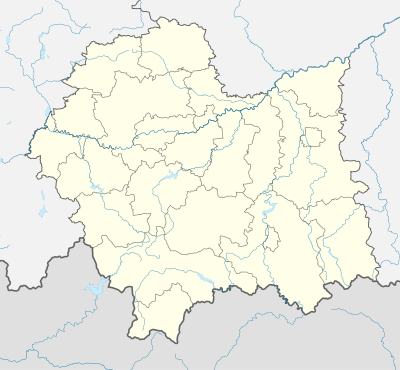
The naming convention predominantly reflects historical and geographical regions, fostering a sense of continuity and regional identity. For instance, Masovian Voivodeship encompasses the historical heartland of Mazovia, while Lesser Poland Voivodeship (Małopolskie) covers the historic southern region. The disparity in size and population is notable: Masovian Voivodeship is the largest by area, exceeding 35,000 km², and also the most populous, with over five million inhabitants.
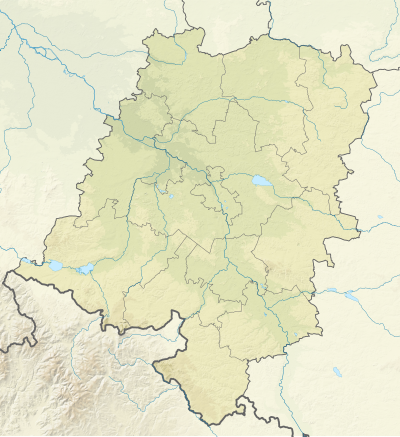
Conversely, Opole Voivodeship is one of the smallest in both area and population, highlighting the diverse scale of governance within Poland.
A Legacy of Division
The concept of a 'voivodeship' (województwo) is deeply embedded in Polish history, with its origins tracing back to the 14th century. Historically, voivodeships were administrative and military districts, often named after their respective rulers or geographical features. The administrative landscape of Poland has undergone numerous transformations throughout its history, influenced by partitions, wars, and political ideologies.
The post-World War II era saw significant restructuring, including the 1950-1975 period where voivodeships bore a closer resemblance to the current structure before a brief return to a more fragmented system with 49 units from 1975 to 1998. The 1999 reform was a deliberate move to decentralize power and strengthen regional self-governance, creating units that were both administratively viable and symbolically resonant with Poland's rich historical tapestry. This continuous evolution underscores the dynamic nature of Polish statehood and its adaptation to changing geopolitical and societal needs.
Regional Tapestry
The 16 voivodeships are vibrant mosaics of Polish culture, each contributing unique traditions, dialects, and historical narratives. While Polish is the official and dominant language, regional variations and minority languages (such as Kashubian in Pomeranian Voivodeship) add to the cultural richness. Demographically, the voivodeships exhibit significant differences.
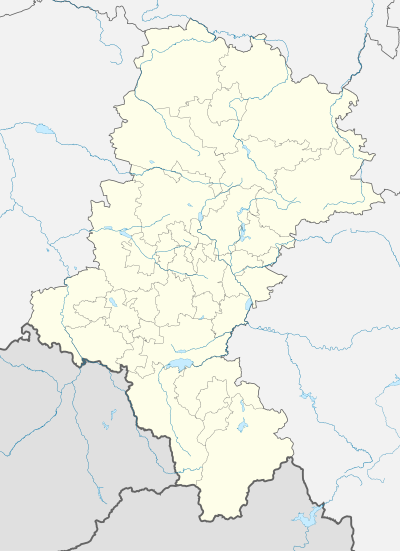
Masovian Voivodeship, centered around the capital Warsaw, is the most populous and economically dynamic. Other voivodeships, like Silesian Voivodeship, have a strong industrial heritage, while coastal regions like Pomeranian Voivodeship are significant for maritime trade and tourism. The capital city of each voivodeship serves as its administrative heart, often a major economic, cultural, and educational hub.
These cities, such as Krakow (Lesser Poland), Gdansk (Pomeranian), and Wroclaw (Lower Silesian), are not only centers of governance but also repositories of regional history and identity, attracting significant internal and international migration.
Decentralized Power
The governance of Polish voivodeships operates on a principle of shared authority between central and regional bodies. Each voivodeship is headed by a voivode, a government-appointed representative responsible for implementing national policies and overseeing regional administration. However, significant legislative and executive powers reside with elected regional institutions.
The sejmik, a regional assembly, is the legislative body, composed of councilors elected by popular vote, typically for four-year terms. The sejmik formulates regional policies, approves budgets, and selects the executive board (zarząd województwa). This board, led by the voivodeship marshal (marszałek województwa), is responsible for the day-to-day execution of regional policies and management of public services.
This multi-tiered system aims to balance national unity with local autonomy, ensuring that regional needs and priorities are addressed effectively within the broader framework of the Polish state.
Education and Development
Education is a critical component of regional development within Poland's voivodeships. While the Ministry of National Education sets national standards, voivodeships play a crucial role in the organization and funding of primary, secondary, and vocational schools. Major cities within each voivodeship often host prominent universities and research institutions, attracting students from across Poland and internationally.
For example, Warsaw University and the University of Warsaw are key educational centers in Masovian Voivodeship, while Jagiellonian University in Krakow is a historic pillar of learning in Lesser Poland. Regional development strategies often prioritize educational infrastructure, research and development, and vocational training to align with the specific economic needs and potential of each voivodeship. This focus on education is vital for fostering innovation, economic growth, and enhancing the competitiveness of each region on both national and European stages.
See also
Frequently Asked Questions
What is a voivodeship?+
How many voivodeships does Poland have?+
Why did Poland change from 49 to 16 voivodeships?+
Which voivodeship is the biggest and most populated?+
Where is the capital city of a voivodeship?+
Based on content from Wikipedia · Licensed under CC BY-SA 4.0