

Vitoria-Gasteiz
Images

VITORIA-GASTEIZ-4854


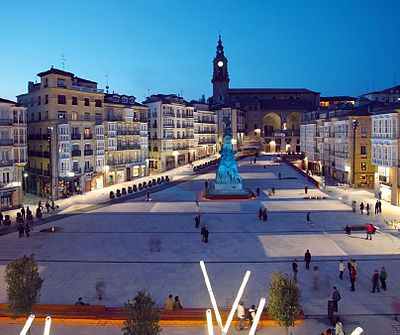

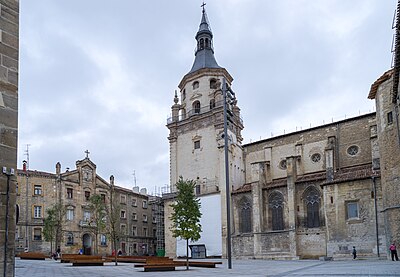


Geographic Identity and Environmental Leadership
Vitoria-Gasteiz, situated in the northern Iberian Peninsula, serves as the administrative and political heart of the Basque Country and the province of Álava. Its expansive municipality, covering 276.81 square kilometers, encompasses not only the urban core but also a significant agricultural hinterland comprising 63 villages. This makes it the largest municipality within the Basque Autonomous Community.
The city experiences a temperate oceanic climate, characterized by mild, humid winters and warm, dry summers, fostering a rich biodiversity and supporting its extensive green infrastructure. Vitoria-Gasteiz's global recognition as the first Spanish city to be awarded the European Green Capital title in 2012, and its subsequent UN Global Green City Award in 2019, underscore its pioneering role in urban environmentalism. This distinction is not merely symbolic; it reflects a tangible commitment to sustainable urban planning, exemplified by its high per capita allocation of green spaces, which significantly enhances the quality of life and promotes ecological well-being for its 257,407 residents.
Chronicles of Vitoria-Gasteiz
The historical fabric of Vitoria-Gasteiz is deeply woven with medieval threads, evident in its remarkably preserved old town, featuring narrow streets and historic plazas that transport visitors to a bygone era. The city's architectural heritage is further distinguished by the presence of two cathedrals, a rarity that speaks to its historical importance and development. A pivotal moment in its military history occurred on June 21, 1813, with the Battle of Vitoria.
This decisive engagement during the Peninsular War saw a coalition of Spanish, Portuguese, and British forces, under the command of Arthur Wellesley, the Duke of Wellington, decisively defeat the French army. The victory was instrumental in expelling French forces from Spain and had significant strategic implications. The cultural impact of this event is immortalized in Ludwig van Beethoven's 'Battle Symphony' (Opus 91), also known as 'Wellington's Victory,' a testament to the battle's profound historical resonance.
A memorial statue in Virgen Blanca Square serves as a lasting tribute.
Cultural Dynamics and Societal Fabric
The inhabitants of Vitoria-Gasteiz, known as 'vitorianos' or 'gasteiztarrak,' navigate a rich cultural landscape where Spanish and Basque languages coexist. The traditional moniker 'babazorros' (bean sacks) offers a glimpse into local identity and perhaps culinary preferences. Vitoria-Gasteiz is a hub of cultural activity, hosting a diverse array of festivals that cater to various tastes.
These include the renowned Azkena rock festival, the FesTVal television festival, the Vitoria-Gasteiz jazz festival, and the traditional Virgen Blanca Festivities. These events not only celebrate local culture but also attract international artists and visitors, contributing to the city's cosmopolitan atmosphere. Consistently ranked among Spanish cities with the highest standard of living, Vitoria-Gasteiz offers a compelling blend of cultural richness, recreational opportunities, and a strong sense of community.
Economic Pillars and Future Trajectories
Vitoria-Gasteiz boasts a robust and diversified economy, with key strengths in high-value sectors such as healthcare, aeronautics, and the automotive industry. These industries form the backbone of the city's employment and contribute significantly to its economic output. Furthermore, the surrounding region is celebrated for its viticulture, hosting world-class wineries, including architecturally significant designs by Santiago Calatrava and Frank Gehry, which bolster the local economy and attract tourism.
The city's economic success is intrinsically linked to its commitment to innovation and sustainability, attracting investment and fostering a skilled workforce. This forward-looking approach ensures Vitoria-Gasteiz remains competitive and prosperous, balancing industrial development with its environmental ethos. The presence of significant Neolithic, Iron Age, and Roman-era archaeological sites in its vicinity also highlights its long-standing human settlement and cultural heritage.
Governance and Civic Structure
As the seat of government for the Basque Country, Vitoria-Gasteiz holds significant political importance. It is home to the Basque Parliament (Eusko Legebiltzarra), the headquarters of the Basque Government (Eusko Jaurlaritza), and the official residence of the Lehendakari (the President or Prime Minister of the Basque Country). This concentration of governmental institutions underscores the city's role as the administrative and political center of the autonomous community.
The governance structure ensures the implementation of regional policies and the representation of its citizens. The city's commitment to citizen participation and sustainable development is often reflected in its local governance initiatives, aiming to create an inclusive and environmentally conscious urban environment.
See also
Frequently Asked Questions
What makes Vitoria-Gasteiz a green city?+
Why does Vitoria-Gasteiz have two cathedrals?+
What happened at the Battle of Vitoria and why is it famous?+
What festivals can you find in Vitoria-Gasteiz?+
Who are the people that live in Vitoria-Gasteiz and what are they called?+
Based on content from Wikipedia · Licensed under CC BY-SA 4.0