

Vitamin A
Images

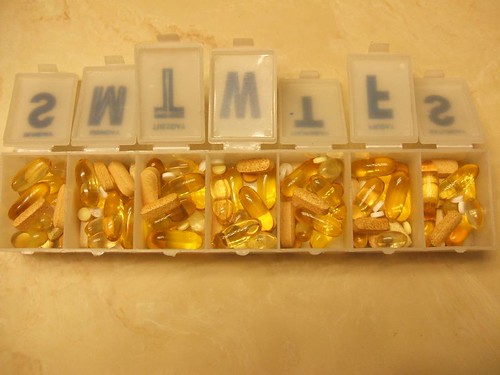
Design Blog Sociale - 23 June 2008 - Vitamin Packaging by Robert Ferrell C




The Chemistry of Vitamin A
Vitamin A is not a single compound but a group of fat-soluble nutrients essential for human health. The term encompasses preformed Vitamin A (retinoids), primarily retinol and its esterified form, retinyl esters, found in animal-derived foods like liver, fish oils, eggs, and dairy. The other major dietary source is provitamin A carotenoids, such as beta-carotene, alpha-carotene, and beta-cryptoxanthin, abundant in colorful fruits and vegetables like carrots, sweet potatoes, spinach, and mangoes.
These plant compounds possess beta-ionone rings, a structural feature necessary for their conversion into retinol within the body. Herbivores and omnivores possess the enzymatic machinery to cleave these carotenoids into retinal, the aldehyde form of Vitamin A, which is then further processed. Carnivores, however, often lack this specific enzyme, limiting their ability to utilize provitamin A carotenoids.
The absorption and transport mechanisms differ; retinoids are absorbed via passive diffusion, while beta-carotene uptake involves specific membrane transporters like scavenger receptor B1 (SCARB1), which is upregulated during Vitamin A deficiency.
Phototransduction and Ocular Health
The most well-known function of Vitamin A is its indispensable role in vision. In the retina, retinol is oxidized to retinal, which then binds with the protein opsin to form rhodopsin. Rhodopsin is the photopigment responsible for absorbing light, particularly in low-light conditions (scotopic vision).
When light strikes rhodopsin, it triggers a cascade of biochemical events that ultimately lead to a nerve impulse sent to the brain, enabling us to see. Vitamin A is also crucial for color vision and maintaining the health of the cornea and conjunctiva, the protective outer layers of the eye. Deficiency can lead to xerophthalmia, a progressive eye disease that begins with night blindness and can culminate in irreversible blindness due to corneal ulceration and scarring.
This highlights Vitamin A's critical function in maintaining the integrity and functionality of the visual system.
Beyond Vision
Vitamin A's influence extends far beyond the eyes. It is a vital regulator of the immune system, playing a key role in both innate and adaptive immunity. It supports the development and function of various immune cells, including lymphocytes and phagocytes, enhancing the body's ability to fight off infections.
Vitamin A is also fundamental for growth and development, particularly during embryonic stages, influencing cell differentiation and morphogenesis. Its active metabolite, retinoic acid, acts as a potent signaling molecule, binding to nuclear receptors (RARs and RXRs) that regulate the expression of hundreds of genes. This gene regulation is critical for processes such as cell proliferation, differentiation, and apoptosis, impacting virtually every tissue and organ system in the body.
Metabolism, Storage, and Deficiency Implications
The body's ability to store Vitamin A, primarily in the liver as retinyl esters, is a significant physiological adaptation. This high-capacity storage allows for a substantial reserve, meaning that deficiency symptoms may not manifest until liver stores are severely depleted, potentially after months of inadequate intake. This can be particularly concerning in regions where Vitamin A deficiency (VAD) is endemic, disproportionately affecting preschool-aged children and pregnant women.
VAD is a major public health issue in developing countries, leading to increased morbidity and mortality from infectious diseases due to compromised immunity, and is the leading preventable cause of childhood blindness worldwide. Conversely, excessive intake of preformed Vitamin A can lead to toxicity (hypervitaminosis A), characterized by symptoms affecting the nervous system, liver, skin, and bones, underscoring the importance of maintaining a balanced intake.
See also
Frequently Asked Questions
What is vitamin A and why is it important for seeing in the dark?+
Where can we get vitamin A from foods?+
Why do some animals need to eat animal foods for vitamin A?+
How does vitamin A help our immune system?+
What happens if we don’t get enough vitamin A?+
Based on content from Wikipedia · Licensed under CC BY-SA 4.0