

Visual Impairment: Seeing the World Differently
Images
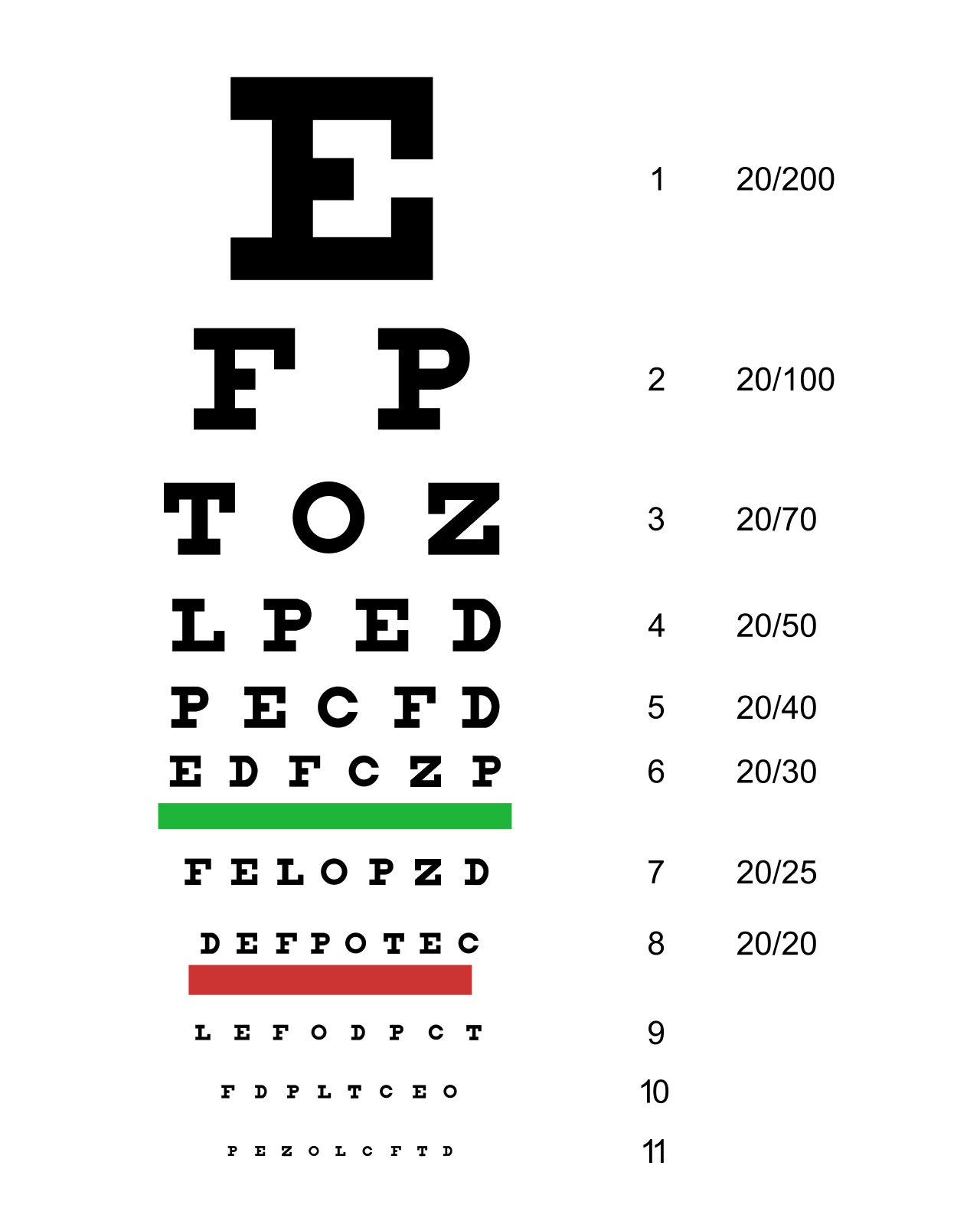
Visual impairment
The Neurological and Ocular Basis of Visual Impairment
Visual impairment encompasses a broad spectrum of conditions stemming from disruptions in the visual pathway, from the ocular structures to the cortical processing centers. Ocular causes are numerous, including refractive errors (myopia, hyperopia, astigmatism) that can be severe, corneal opacities, cataracts (clouding of the lens), glaucoma (optic nerve damage due to intraocular pressure), age-related macular degeneration (AMD) affecting central vision, and diabetic retinopathy (damage to blood vessels in the retina).
Beyond the eye, conditions like optic neuritis or damage to the visual cortex from stroke or trauma can also result in significant vision loss. Understanding the specific etiology is crucial for diagnosis, prognosis, and the development of targeted interventions, influencing everything from medical treatments to the selection of appropriate assistive technologies.
Historical Perspectives
Historically, individuals with visual impairments were often marginalized, their contributions overlooked due to societal limitations and a lack of understanding. Early societies offered limited support, often relying on familial or religious institutions. The Enlightenment era began to shift perceptions, with pioneers like Valentin Haüy establishing schools for the blind in the late 18th century.
However, the true revolution in literacy and independence came with Louis Braille's development of his tactile writing system in the 1820s, which remains a cornerstone of education and communication. The 20th century saw further advancements, including the development of the modern white cane and the emergence of guide dog training programs, progressively moving towards greater autonomy and integration for visually impaired individuals.
Neuroplasticity and Sensory Substitution
The human brain exhibits remarkable neuroplasticity, the ability to reorganize itself by forming new neural connections. In individuals with visual impairment, this plasticity allows for significant sensory compensation. Auditory and tactile processing areas in the brain often expand and become more efficient.
This is the basis for sensory substitution, where information typically perceived visually is instead processed through other senses. For example, advanced technologies are being developed that can convert visual input into auditory or tactile signals, allowing users to 'perceive' shapes, distances, and even text through sound patterns or vibrations. This adaptive capacity highlights the brain's resilience and its potential to overcome sensory deficits.
The Evolving Landscape of Assistive Technology
Assistive technology (AT) plays a pivotal role in enabling individuals with visual impairments to participate fully in society. This ranges from fundamental tools like Braille embossers and tactile graphics to sophisticated digital solutions. Screen readers (e.g., JAWS, NVDA) and screen magnifiers are indispensable for computer and mobile device access. Optical Character Recognition (OCR) technology allows printed materials to be converted into digital text that can be read aloud. Navigation aids, including GPS-enabled devices and smart canes, enhance mobility and spatial awareness.
Emerging technologies like AI-powered visual recognition apps (e.g., Seeing AI) can identify objects, read text, and describe scenes, offering unprecedented levels of environmental awareness and independence.
Societal Integration and Advocacy
Achieving true societal integration requires a multi-pronged approach that extends beyond technological solutions. It involves advocating for universal design principles, ensuring that physical spaces, information systems, and products are accessible to everyone, regardless of their visual abilities. Educational institutions must provide inclusive learning environments with appropriate accommodations, such as accessible learning materials and specialized instruction.
Employment opportunities need to be fostered, challenging misconceptions about the capabilities of visually impaired individuals and promoting workplace adaptations. Public awareness campaigns are vital to combat stigma and promote understanding, fostering a society that values diversity and ensures equal opportunities for all its members.
Go deeper
Frequently Asked Questions
What can cause visual impairment?+
How does the brain help people who have trouble seeing?+
What tools can help someone read books if they have visual impairment?+
Why do people with visual impairment use a white cane?+
How do new apps help people see the world?+
Based on content from Wikipedia · Licensed under CC BY-SA 4.0