

Vienna Symphony
Images
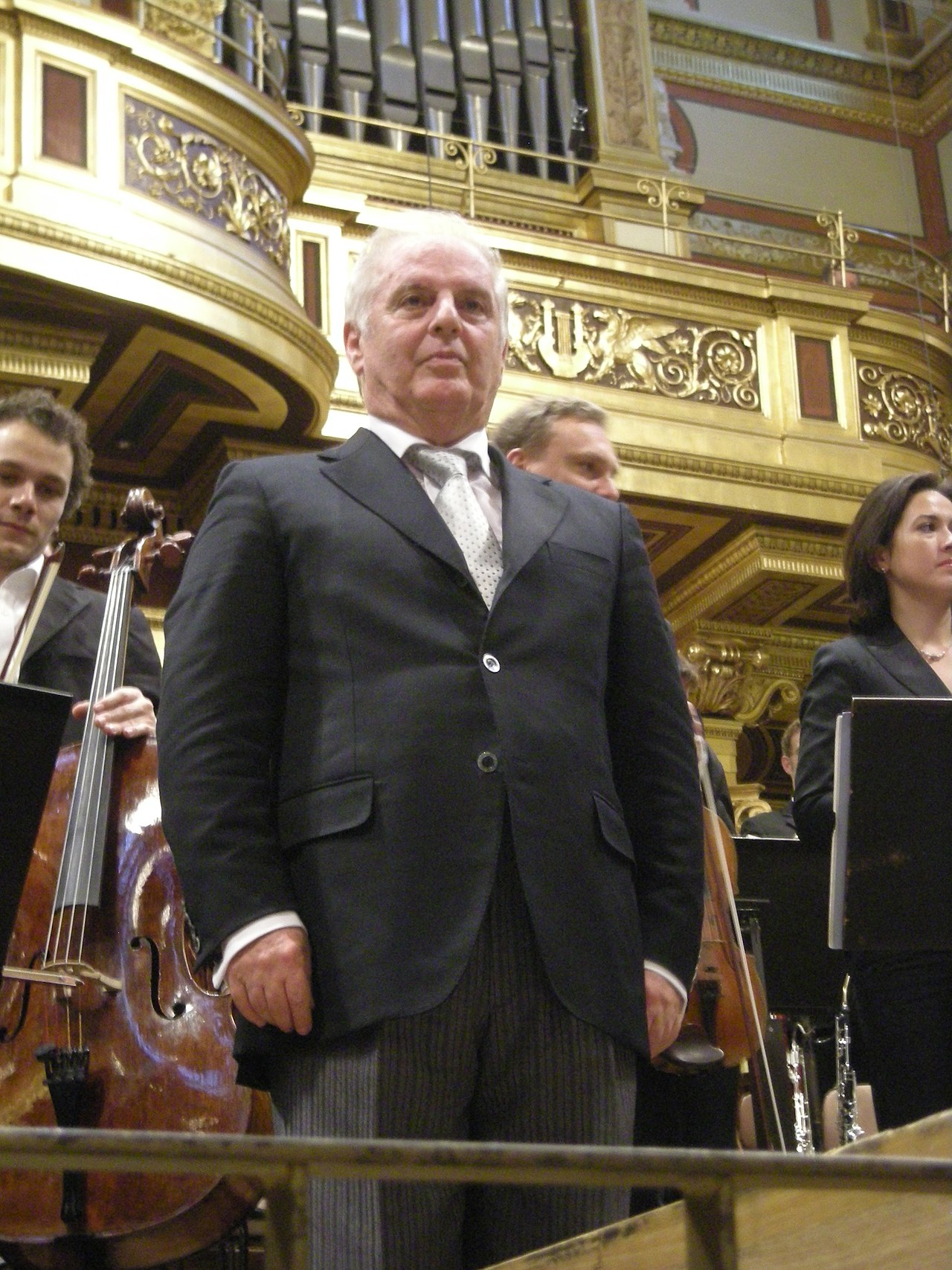
Barenboim Vienna


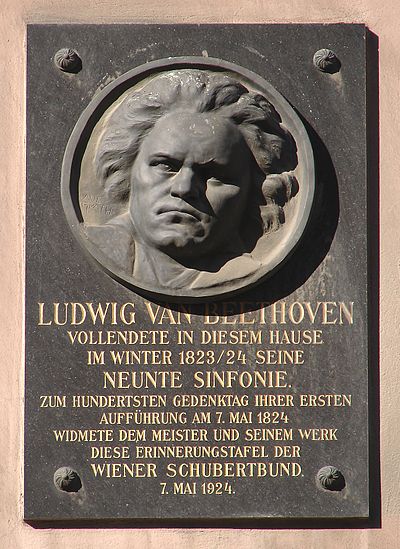


The Vienna Symphony
The Vienna Symphony, officially the Wiener Symphoniker, stands as a preeminent orchestral institution based in Vienna, Austria. This ensemble is not merely a collection of musicians but a vital custodian of musical tradition, renowned for its virtuosic performances and profound interpretations. Its principal concert venue is the architecturally significant Vienna Konzerthaus, a hall celebrated for its exceptional acoustics that enhance the richness and clarity of the orchestra's sound.
Beyond this primary location, the Vienna Symphony also graces other hallowed stages within Vienna, including the historic Musikverein and the Theater an der Wien. These venues are not just performance spaces but integral parts of Vienna's identity as a global capital of classical music, providing a resonant backdrop for the orchestra's artistic endeavors. The ensemble's presence across these iconic locations underscores its deep integration into the city's cultural landscape.
Tracing the Lineage
While the provided text focuses on the current operational aspects of the Vienna Symphony, understanding its historical context is crucial to appreciating its stature. Orchestras of this caliber in Vienna typically boast a long and distinguished lineage, often evolving from earlier musical societies or ensembles. The development of the Wiener Symphoniker over time reflects the broader evolution of orchestral performance practices, repertoire, and the very definition of musical excellence in the 19th and 20th centuries.
Each generation of musicians has built upon the achievements of its predecessors, adapting to new musical styles while upholding core traditions. This continuity ensures that the orchestra remains a living link to the great composers and musical eras that have defined Vienna's unparalleled musical heritage, embodying a continuous artistic dialogue across time.
The Enduring Significance of the Vienna Symphony
The Vienna Symphony's significance extends far beyond its geographical location or the quality of its performances. It serves as a powerful symbol of Austria's rich cultural heritage and its enduring contribution to the global classical music canon. In an era where cultural institutions face numerous challenges, the sustained excellence of the Wiener Symphoniker highlights the importance of preserving and promoting high art.
Their work ensures that the masterpieces of composers like Mozart, Beethoven, and Brahms, who are deeply connected to Vienna, continue to be experienced with the depth and emotional resonance they deserve. Furthermore, the orchestra's active performance schedule and potential for recordings and tours disseminate this cultural legacy worldwide, fostering international understanding and appreciation for classical music.
The Mechanics of Musical Mastery
The creation of a symphonic performance by the Vienna Symphony is a complex interplay of individual virtuosity and collective discipline. At its core is the conductor, who acts as the artistic director, interpreting the score and guiding the ensemble through nuanced gestures that dictate tempo, dynamics, articulation, and emotional color. Each of the orchestra's members, from the principal players to the tutti musicians, possesses exceptional technical skill on their respective instruments.
The success of a performance hinges on their ability to listen acutely to one another, achieving a seamless blend of sounds. This requires rigorous rehearsal, a deep understanding of musical phrasing, and a shared commitment to the composer's vision. The synergy achieved is a testament to countless hours of practice and a profound shared musical language, transforming abstract notation into a powerful, immersive auditory experience.
Venues as Catalysts
The performance venues associated with the Vienna Symphony are not merely backdrops but active participants in the sonic experience. The Vienna Konzerthaus, for instance, is renowned for its sophisticated acoustic design, which allows for a wide dynamic range and exceptional clarity, making it an ideal space for symphonic music. The Musikverein, with its famed Golden Hall, offers a unique reverberation that contributes to a warm, enveloping sound.
The Theater an der Wien, while also hosting opera, provides a different acoustic environment that can shape the orchestra's sound in distinct ways. The choice of venue can subtly influence the orchestra's performance, highlighting different facets of their sound and repertoire. These halls are themselves historical monuments to musical performance, imbued with the echoes of countless legendary concerts.
See also
Frequently Asked Questions
What is the Vienna Symphony?+
Where does the Vienna Symphony play its concerts?+
Who directs the Vienna Symphony?+
Why is the Vienna Symphony important?+
What kind of music does the Vienna Symphony play?+
Based on content from Wikipedia · Licensed under CC BY-SA 4.0