

Vertebrates: Animals with Backbones!
Images

Vertebrate




The Vertebral Column
The subphylum Vertebrata, a major division within the phylum Chordata, is distinguished by its complex endoskeleton, most notably the vertebral column. This defining feature, composed of individual vertebrae (ossified or cartilaginous), encases and protects the dorsal hollow nerve cord, which develops into the spinal cord. This arrangement is crucial for the sophisticated nervous system and rapid motor control observed in vertebrates.
The vertebral column also serves as an anchor for musculature, facilitating diverse locomotion strategies, from the undulatory swimming of fish to the bipedal gait of humans. Furthermore, the development of a cranium to protect the brain represents another key innovation, allowing for the evolution of complex sensory organs and advanced cognitive functions. This integrated skeletal and nervous system architecture underpins the remarkable ecological success and morphological diversity of vertebrates.
From Jawless Fish to Mammals
The evolutionary history of vertebrates is a testament to adaptive radiation spanning over half a billion years. Originating from early, jawless fish (agnathans) in the Cambrian seas, vertebrates diversified dramatically. The Mesozoic Era saw the rise of reptiles, including the dinosaurs, which dominated terrestrial ecosystems for over 160 million years.
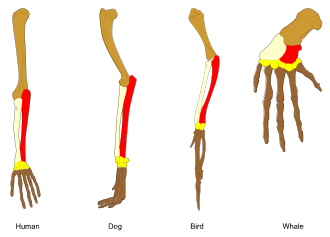
The subsequent Cenozoic Era is often termed the 'Age of Mammals,' as they diversified to fill ecological niches left vacant by the dinosaurs' extinction. Birds, evolving from a lineage of theropod dinosaurs, also underwent significant adaptations for flight. This evolutionary journey involved key innovations such as the development of jaws, limbs, amniotic eggs (allowing reproduction independent of water), endothermy (warm-bloodedness), and complex social behaviors, each contributing to the colonization of virtually every habitat on Earth.
Global Biogeography
Vertebrates exhibit extraordinary biogeographical distribution, inhabiting nearly every conceivable environment. Their presence spans the deepest oceanic trenches, where specialized fish have adapted to extreme pressure and darkness, to the highest mountain peaks, occupied by hardy mammals and birds. Terrestrial vertebrates have evolved diverse strategies to cope with arid deserts, humid rainforests, and temperate grasslands.
For instance, desert vertebrates often possess physiological adaptations for water conservation and thermoregulation, while rainforest inhabitants exhibit arboreal lifestyles and specialized diets. The polar regions, despite their harsh conditions, support a variety of vertebrates, including marine mammals and birds, which have developed insulation and metabolic adaptations. This ubiquitous presence underscores the inherent adaptability of the vertebrate body plan and its capacity to exploit a vast array of ecological niches.
Ecological Roles and Human Interdependence
Vertebrates are indispensable components of global ecosystems, fulfilling critical ecological roles. As keystone species, apex predators, or primary consumers, they regulate population dynamics, influence plant community structure, and drive nutrient cycling. For example, large herbivores can significantly alter vegetation patterns, while predators control herbivore numbers, preventing overgrazing.
The decline or extinction of vertebrate populations can trigger cascading effects throughout food webs, leading to ecosystem instability. Furthermore, vertebrates hold immense cultural, economic, and scientific value for humans. They are sources of food, materials, and inspiration for technological innovation.
Studying vertebrate physiology, behavior, and genetics has yielded profound insights into biology, medicine, and conservation science, highlighting our deep interdependence with these remarkable animals.
Conservation Imperatives and Future Directions
Despite their evolutionary success, a significant proportion of vertebrate species currently face unprecedented threats, primarily driven by human activities. Habitat destruction and fragmentation, climate change, pollution, overexploitation, and the introduction of invasive species are leading to alarming rates of biodiversity loss. Many vertebrate populations are declining, with numerous species listed as Vulnerable, Endangered, or Critically Endangered by the IUCN.
Effective conservation strategies require a multi-faceted approach, including habitat protection and restoration, sustainable resource management, captive breeding programs, and international cooperation. Understanding the ecological requirements and evolutionary history of vertebrates is paramount to developing targeted interventions that can mitigate these threats and ensure the long-term survival of these vital components of Earth's biosphere.
Go deeper
Frequently Asked Questions
What is a vertebrate?+
Why do vertebrates have a skull?+
How did vertebrates become so many different kinds?+
Where can we find vertebrates?+
Why are vertebrates important for the planet?+
Based on content from Wikipedia · Licensed under CC BY-SA 4.0