

Vascular Tissue: The Plant's Plumbing System!
Images
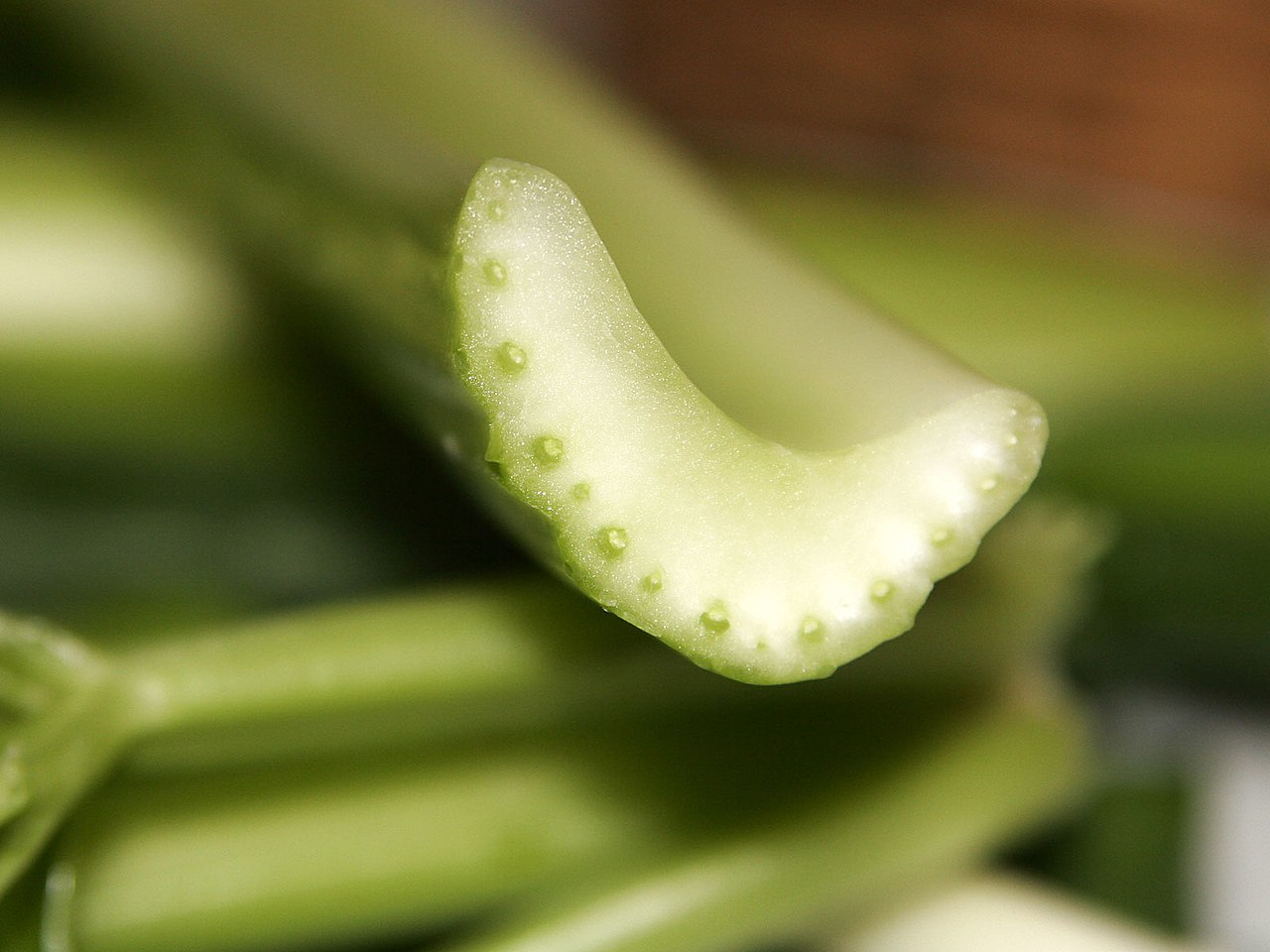
Vascular tissue


Structure and Function
Vascular tissue represents a defining characteristic of tracheophytes, the vast majority of land plants. This complex system is bifurcated into xylem and phloem, each with distinct cellular components and specialized functions. Xylem, primarily responsible for water and mineral transport, comprises tracheary elements (tracheids and vessel elements), xylem parenchyma, and xylem fibers.
Tracheids are elongated cells with tapered ends and pits, facilitating water movement, while vessel elements are shorter, wider cells that connect end-to-end to form continuous vessels, enabling more efficient bulk flow. This upward transport is driven by the cohesion-tension theory, where the evaporation of water from leaves (transpiration) creates a negative pressure (tension) that pulls water molecules up from the roots, aided by their cohesive and adhesive properties. Phloem, the conduit for photosynthate transport, consists of sieve elements (sieve cells and sieve-tube elements), companion cells, phloem parenchyma, and phloem fibers.
Sieve-tube elements, interconnected to form sieve tubes, are the primary conducting cells, but they rely on adjacent companion cells for metabolic support and loading/unloading of sugars. This transport, known as translocation, occurs via pressure-flow, where sugars are actively loaded into the sieve tubes, creating osmotic pressure that drives sap flow from source (e.g., leaves) to sink (e.g., roots, fruits) regions.
Evolutionary Trajectory
The evolution of vascular tissue was a pivotal event in the history of life, enabling plants to transition from aquatic environments to terrestrial habitats and achieve greater structural complexity. Early non-vascular plants, like bryophytes, were limited in size and restricted to moist environments due to their reliance on diffusion for nutrient and water uptake and their lack of robust structural support. The development of xylem, with its lignified cell walls, provided not only a means of efficient water transport but also crucial mechanical support, allowing plants to stand upright and grow taller.
This increased height facilitated better light capture, a significant advantage in competition. The evolution of phloem allowed for the efficient distribution of sugars produced through photosynthesis to all parts of a larger plant body, supporting growth and development in diverse tissues. This innovation ultimately led to the diversification of plant forms, from early vascular plants like lycophytes and ferns to the seed plants and angiosperms, shaping terrestrial ecosystems for hundreds of millions of years.
Ecological Significance and Human Interdependence
Vascular tissue is the backbone of terrestrial ecosystems, underpinning the productivity and structure of virtually all plant communities. The efficiency of xylem and phloem directly influences plant growth rates, biomass production, and nutrient cycling. Forests, grasslands, and agricultural systems all depend on the robust functioning of vascular tissues.
For humans, this interdependence is profound. The wood that forms our homes, furniture, and tools is primarily dead xylem, a testament to its structural role. The food we consume-fruits, vegetables, grains-are products of plants with highly developed vascular systems that efficiently deliver nutrients for their development.
Furthermore, the oxygen we breathe is a byproduct of photosynthesis, a process critically dependent on the water supply facilitated by xylem. Understanding vascular tissue is therefore essential for fields ranging from agriculture and forestry to conservation biology and climate science, as it directly impacts food security, resource management, and the health of the planet.
Modern Applications and Research Frontiers
The study of vascular tissue continues to be a vibrant area of botanical research, with implications for both fundamental science and practical applications. Advances in molecular biology and imaging techniques are revealing intricate regulatory mechanisms controlling vascular development and function. Researchers are investigating how plants respond to environmental stresses, such as drought and salinity, by altering their vascular transport systems.
This knowledge is crucial for developing crops that are more resilient to climate change and can thrive in marginal environments, thereby enhancing global food security. Furthermore, biomimicry inspired by vascular tissue's efficient transport and structural properties is influencing the design of new materials and fluidic systems. Understanding the complex interplay between vascular structure and function remains key to unlocking further innovations in plant science and sustainable resource management.
Go deeper
Frequently Asked Questions
What is vascular tissue in plants?+
How does xylem move water up the plant?+
What does phloem transport and how does it work?+
Why did plants need vascular tissue to grow taller?+
How do xylem and phloem help humans use plants?+
Based on content from Wikipedia · Licensed under CC BY-SA 4.0