

Urban Stream: The City's Secret Waterways
Images
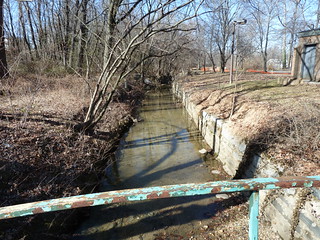
Restoring an Urban Stream (before)


The Hydrological and Geomorphological Landscape of Urban Streams
Urban streams are defined by their location within heavily modified landscapes, characterized by extensive impervious surfaces such as roads, buildings, and parking lots. This urbanization significantly alters their hydrological regime. Increased runoff from these surfaces leads to higher peak flows and greater sediment transport, often causing erosion of stream banks and beds.
Geomorphologically, urban streams are frequently channelized, meaning their natural meandering courses have been straightened and confined by concrete or riprap to accommodate development and mitigate flood risk. This simplification reduces habitat complexity and alters natural flow dynamics. Many urban streams are also partially or entirely enclosed in culverts or storm drains, disconnecting them from the surface environment and the communities they flow through.
Their climate is influenced by the urban heat island effect, potentially leading to warmer water temperatures that can stress aquatic organisms.
A Historical Trajectory
Historically, urban streams were integral components of the natural environment, supporting riparian ecosystems and providing essential water resources. As settlements grew into cities, these streams were often viewed as impediments to expansion or as convenient conduits for waste disposal. Early urban development frequently involved straightening, widening, and deepening stream channels to facilitate drainage and prevent flooding, a process known as channelization.
In many cases, streams were entirely covered over, becoming part of underground storm sewer systems, effectively disappearing from the urban landscape. This historical trajectory reflects a societal shift in prioritizing human development and control over natural processes, leading to the degraded state of many urban waterways today. The legacy of these past decisions continues to impact the ecological health and management of these streams.
The Biotic Communities and Ecological Services of Urban Waterways
Despite the harsh conditions, urban streams can harbor surprisingly resilient biotic communities. These often include pollution-tolerant invertebrates, certain species of fish adapted to fluctuating conditions, and various bird species that utilize the water for foraging and drinking. The ecological services provided by urban streams are multifaceted.
They play a crucial role in stormwater management, intercepting and conveying runoff, thereby reducing the burden on engineered drainage systems and mitigating urban flooding. They also contribute to water quality by acting as natural filters, though this function is often compromised by high levels of pollutants entering the system from urban runoff. Furthermore, urban streams and their adjacent riparian corridors can serve as vital, albeit fragmented, habitats and ecological corridors within otherwise developed areas, supporting biodiversity and providing green infrastructure benefits.
Challenges and Opportunities in Urban Stream Management
Managing urban streams presents significant challenges, primarily stemming from pollution, altered hydrology, and habitat degradation. Pollutants from vehicle emissions, industrial discharge, and residential lawn care often enter streams via stormwater runoff, impacting water quality and aquatic life. The increased frequency and intensity of storm events due to climate change and urbanization further exacerbate these issues.
However, there are growing opportunities for restoration and revitalization. Initiatives like green infrastructure, which incorporates natural systems into urban design (e.g., rain gardens, permeable pavements), can help manage stormwater and reduce pollutant loads. Daylighting streams, or uncovering those that have been buried, can restore natural processes and reconnect communities with their waterways.
Effective management requires integrated approaches that consider ecological health, flood control, water quality, and community engagement.
The Socio-Economic and Educational Dimensions of Urban Streams
Urban streams have profound socio-economic and educational implications. Economically, healthy urban waterways can enhance property values, support recreational activities like fishing and kayaking, and contribute to the aesthetic appeal of a city, potentially attracting tourism and investment. Conversely, degraded streams can lead to increased costs associated with flood damage and water treatment.
Educationally, urban streams offer invaluable opportunities for environmental learning. They serve as living laboratories for students to understand ecological principles, the impact of human activities on the environment, and the importance of conservation. Community science programs, where citizens participate in monitoring water quality or stream health, foster a sense of stewardship and connection to these vital urban resources.
Engaging the public in the health and future of urban streams is crucial for their long-term sustainability.
See also
Frequently Asked Questions
What are urban streams?+
Why do urban streams sometimes become straight and concrete?+
How do urban streams help keep cities from flooding?+
Where do the animals that live in urban streams come from?+
Why is the water in urban streams often warmer?+
Based on content from Wikipedia · Licensed under CC BY-SA 4.0