

United States presidential election, 1964
Images

Bobby Kennedy's Grave and the Peace Hat


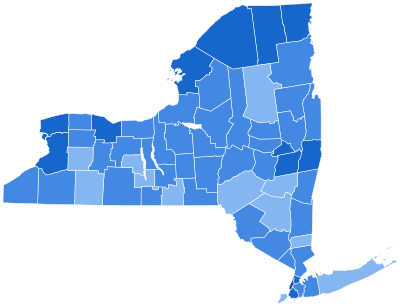


The Electoral Geography of a Nation Divided and United
The United States presidential election of 1964 unfolded across a vast and diverse geographical landscape, influencing and reflecting regional political leanings. The incumbent, Lyndon B. Johnson, a Texan Democrat, leveraged his Southern roots while campaigning on a national platform of progressive reform.
His opponent, Barry Goldwater, an Arizona Republican, appealed to a more conservative base, particularly strong in the South and West. The election results illustrated significant regional divides: Johnson carried most of the Northeast, Midwest, and West Coast, while Goldwater's support was concentrated in the Deep South, which was beginning its shift towards the Republican party, and parts of the Mountain West. The electoral map of 1964 was a complex tapestry, showing the evolving political allegiances of different states and regions in response to the candidates' platforms and the pressing social issues of the era, including civil rights and the burgeoning Cold War.
Historical Context
The 1964 election occurred in the shadow of profound national trauma. President John F. Kennedy's assassination in November 1963 thrust Vice President Lyndon B. Johnson into the presidency.
Johnson, a seasoned legislator with a deep understanding of Washington, D.C., committed himself to honoring Kennedy's legacy by championing his proposed civil rights legislation and advancing his own ambitious 'Great Society' domestic agenda. This agenda aimed to eliminate poverty and racial injustice through federal programs in education, healthcare, urban renewal, and conservation. The election became a referendum on Johnson's leadership and his vision for America's future.
Meanwhile, the Republican party was undergoing its own internal struggles, with Barry Goldwater representing a significant conservative resurgence that would profoundly shape the party's trajectory in the decades to follow.
Ideological Battlegrounds
The 1964 election was a stark ideological contest. Lyndon B. Johnson presented himself as the heir to Kennedy's progressive vision, advocating for an expansive role for the federal government in addressing social and economic inequalities.
His 'Great Society' initiatives, including Medicare, Medicaid, and landmark Civil Rights Acts, represented a significant expansion of the welfare state. He argued that government intervention was necessary to create a more just and equitable society. Barry Goldwater, on the other hand, articulated a powerful conservative philosophy emphasizing individual liberty, limited government, and free-market principles.
He famously stated that 'extremism in the defense of liberty is no vice.' Goldwater criticized the growth of federal power and the perceived overreach of government programs, arguing for a return to traditional values and states' rights. This fundamental clash of ideologies resonated deeply with different segments of the American electorate.
The Electoral Verdict
The outcome of the 1964 presidential election was a decisive landslide for Lyndon B. Johnson. He secured 486 electoral votes to Barry Goldwater's 52, and won 61.1% of the popular vote, the largest percentage for any candidate since 1936.
This overwhelming victory was interpreted as a strong mandate from the American people to pursue Johnson's 'Great Society' agenda. The election solidified the Democratic Party's dominance in national politics for the time being and marked a significant shift in the political landscape, particularly with the beginning of the South's move towards the Republican Party. Johnson's mandate allowed him to push through transformative legislation, but the increasing U.S. involvement in the Vietnam War would soon begin to erode his public support and complicate his presidency.
Legacy and Lasting Impact
The 1964 election left an indelible mark on American history. Lyndon B. Johnson's 'Great Society' programs fundamentally reshaped the nation's social safety net, establishing programs that continue to serve millions of Americans today.
The Civil Rights Act of 1964 and the Voting Rights Act of 1965, championed by Johnson and passed with broad support, were monumental achievements in the struggle for racial equality. On the other hand, the election also signaled a significant realignment in American politics. Barry Goldwater's campaign, though unsuccessful, laid the groundwork for the modern conservative movement that would gain prominence in later decades.
The election's outcome and the subsequent policy decisions had profound and lasting consequences, influencing social policy, political alignments, and the very definition of American liberalism and conservatism for generations to come.
See also
Frequently Asked Questions
Who won the 1964 U.S. presidential election?+
Why was the 1964 election important after President Kennedy's death?+
What was Lyndon B. Johnson’s "Great Society"?+
Where did Barry Goldwater get most of his support?+
How many votes did Johnson get compared to Goldwater?+
Based on content from Wikipedia · Licensed under CC BY-SA 4.0