

Tiny Living Things: The World of Single Cells!
Images

Lacustrine diatomite with fossil gastropods (Mascall Formation, Middle Miocene; Rt. 21 roadcut, west of Mount Vernon & east of Dayville, Oregon, USA) 1




The Fundamental Unit
Unicellular organisms represent the most basic form of life, characterized by the existence of a single cell that autonomously performs all vital functions necessary for survival and reproduction. This contrasts sharply with multicellular organisms, where cellular differentiation leads to specialized tissues and organs, creating a complex interdependence among cells. The unicellular domain is broadly bifurcated into prokaryotes, comprising Bacteria and Archaea, which possess a simpler cellular architecture lacking a membrane-bound nucleus and organelles, and eukaryotes, which include protozoa, unicellular algae, and fungi, characterized by a more complex cellular structure with a distinct nucleus.
This fundamental division highlights the diverse evolutionary pathways that have emerged from a single-celled ancestor, showcasing remarkable adaptability and resilience across vastly different ecological niches.
Mechanisms of Life
The survival of a unicellular organism hinges on the remarkable efficiency and versatility of its single cell. These organisms have evolved sophisticated mechanisms to acquire nutrients, often through absorption, phagocytosis, or photosynthesis. Metabolic processes are highly optimized to extract energy and synthesize necessary biomolecules.
Reproduction is typically asexual, such as binary fission, allowing for rapid population growth under favorable conditions, though some exhibit forms of genetic exchange. While often solitary, many unicellular species form structured communities or colonies. Crucially, these colonies do not represent true multicellularity; each cell retains its individual autonomy and capacity for independent survival.
This inherent self-sufficiency, coupled with rapid adaptation through mutation and selection, has enabled unicellular life to persist and diversify for billions of years, colonizing virtually every conceivable habitat on Earth.
Ecological and Evolutionary Significance
Unicellular organisms are not merely ancient relics; they are indispensable architects of global ecosystems and drivers of evolutionary processes. They form the base of numerous food webs, particularly in aquatic environments, where they are primary producers (algae) or consumers (protozoa). Their role in biogeochemical cycles, such as carbon, nitrogen, and sulfur cycling, is paramount, facilitating nutrient availability for all other life forms.
Furthermore, unicellular organisms have been the crucible of evolution, providing the raw material and the evolutionary pressures that led to the development of multicellularity. Studying their genetic diversity and adaptive strategies offers profound insights into the mechanisms of evolution, speciation, and the origin of complex life. They are the living testament to life's enduring capacity for innovation and adaptation.
Historical Context
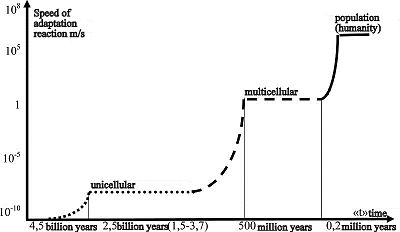
The fossil record and molecular clock analyses strongly indicate that unicellular organisms were the first forms of life to emerge on Earth, appearing approximately 3.5 to 3.8 billion years ago. For an immense period, spanning over two billion years, these single-celled entities were the sole inhabitants of the planet. This prolonged era of unicellular dominance allowed for extensive diversification and the development of fundamental biological processes that underpin all subsequent life.
The transition to multicellularity, which occurred multiple times independently, was a monumental evolutionary leap built upon the foundation laid by these primordial single-celled pioneers. Understanding their biology is therefore essential for comprehending the entire trajectory of life's history on Earth.
Modern Relevance
The study of unicellular organisms extends far beyond basic biology and evolution, holding immense practical value in modern biotechnology and industry. Microorganisms are harnessed for a vast array of applications, including the production of antibiotics, enzymes, biofuels, and vaccines. Genetic engineering techniques are often applied to unicellular hosts like bacteria and yeast to produce complex therapeutic proteins and other valuable compounds.
Furthermore, their unique metabolic pathways and extremophilic adaptations are subjects of intense research for novel industrial processes and potential solutions to environmental challenges, such as bioremediation. The ongoing exploration of microbial diversity continues to uncover new species with novel capabilities, promising further breakthroughs in medicine, agriculture, and sustainable technology.
See also
Frequently Asked Questions
What is a unicellular organism?+
How do single‑cell organisms get food?+
Are single‑cell organisms the first life on Earth?+
Do single‑cell organisms live alone?+
Why are single‑cell organisms important for other life?+
Based on content from Wikipedia · Licensed under CC BY-SA 4.0