

Ötzi the Iceman
Images
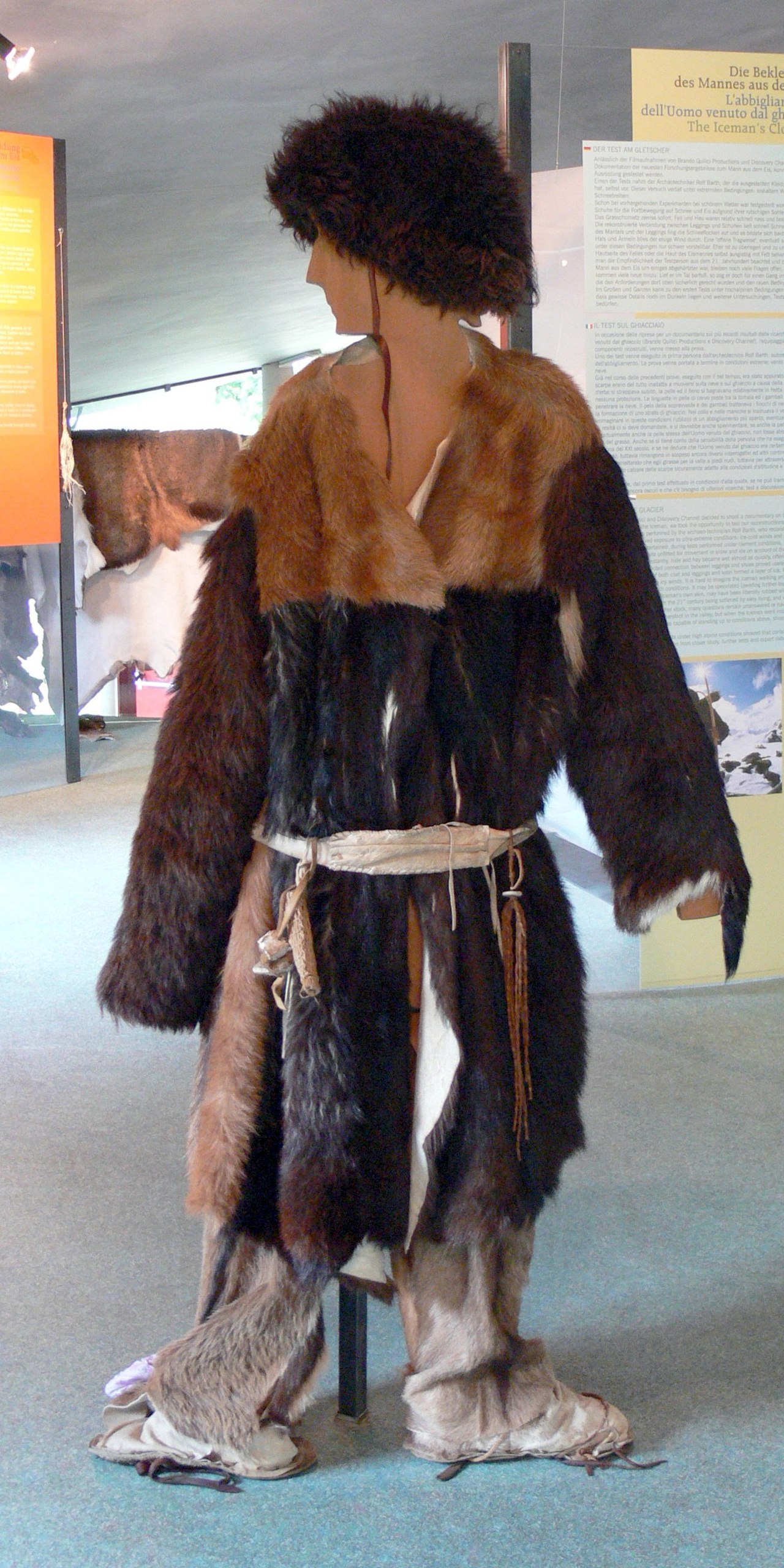
Archeoparc - Museum Ötzi Kleidung


The Accidental Preservation of a Prehistoric Life
The discovery of Ötzi, or the Iceman, on September 19, 1991, in the Ötztal Alps was a monumental event in archaeology. Unlike intentionally mummified individuals, Ötzi is a natural mummy, preserved for over 5,000 years by the extreme cold and ice of the glacial environment. His remains, dating between 3350 and 3105 BC, provide an extraordinarily intact snapshot of a Copper Age European.
The precise location on the Austria-Italy border adds a layer of historical complexity to his discovery. Ötzi's body, clothing, and equipment have survived in remarkable condition, offering a wealth of data that has revolutionized our understanding of prehistoric life in Europe. His existence challenges previous assumptions about the technological and social capabilities of people during this era.
Unraveling the Circumstances of Ötzi's Demise
The most compelling aspect of Ötzi's story is the mystery surrounding his death. The presence of an arrowhead embedded in his left shoulder, along with other injuries such as a deep cut on his hand and evidence of a blow to the head, strongly suggests he was the victim of violence. This has led to extensive research and debate among scientists, with theories ranging from an ambush during a territorial dispute to a conflict over resources.
The investigation into his death is ongoing, with new analyses continually shedding light on the events that led to his demise. The preservation of his body allows for detailed forensic examination, making him a unique case study in prehistoric conflict and survival.
Ötzi's Significance
Ötzi's importance cannot be overstated; he is a primary source of information about the Chalcolithic period in Europe. His well-preserved body has allowed for detailed genetic analysis, revealing his ancestry and connections to modern populations. His tattoos, initially thought to be purely decorative, are now believed by many researchers to have had therapeutic purposes, possibly related to pain relief, offering insights into ancient medical practices.
His diet, reconstructed from his stomach contents, provides crucial data on the food sources and agricultural practices of the time. Furthermore, his tools and clothing demonstrate a sophisticated understanding of materials and craftsmanship, including the use of copper and advanced leatherworking techniques.
The Technological and Cultural Artifacts of the Iceman
The collection of artifacts found with Ötzi is as significant as his mummy itself. His attire, including a grass cape, a bearskin cap, and deerskin shoes insulated with grass, showcases remarkable adaptation to a harsh climate. His tools are equally impressive: a copper axe with a polished blade, a flint knife with a sharp obsidian blade, a bow made from yew wood, and a quiver containing arrows.
The presence of a birch bark container and a fire-starting kit further illustrates his preparedness for travel and survival in the wilderness. These items are not just relics; they are tangible evidence of the technological ingenuity and resourcefulness of Copper Age peoples, providing a benchmark against which other archaeological finds can be compared.
Ötzi's Legacy
Ötzi continues to be a subject of intense scientific study, with new technologies constantly revealing more about his life and times. His DNA has been sequenced multiple times, providing deeper insights into his genetic makeup and ancient European populations. Researchers are still analyzing his gut microbiome to understand ancient diets and diseases.
The ongoing investigation into his death, including the trajectory of the arrow and potential defensive wounds, keeps the mystery alive. Ötzi's story resonates today not only as a historical artifact but also as a testament to human resilience and adaptation. He serves as a powerful reminder of our deep past and the continuous journey of human evolution, making him a crucial figure in understanding our shared heritage.
See also
Frequently Asked Questions
What is Ötzi the Iceman?+
How did scientists learn about Ötzi’s life and death?+
Why is Ötzi’s clothing special?+
What does Ötzi’s arrowhead tell us?+
What can we learn from Ötzi’s tattoos?+
Based on content from Wikipedia · Licensed under CC BY-SA 4.0