

Tuscany
Images
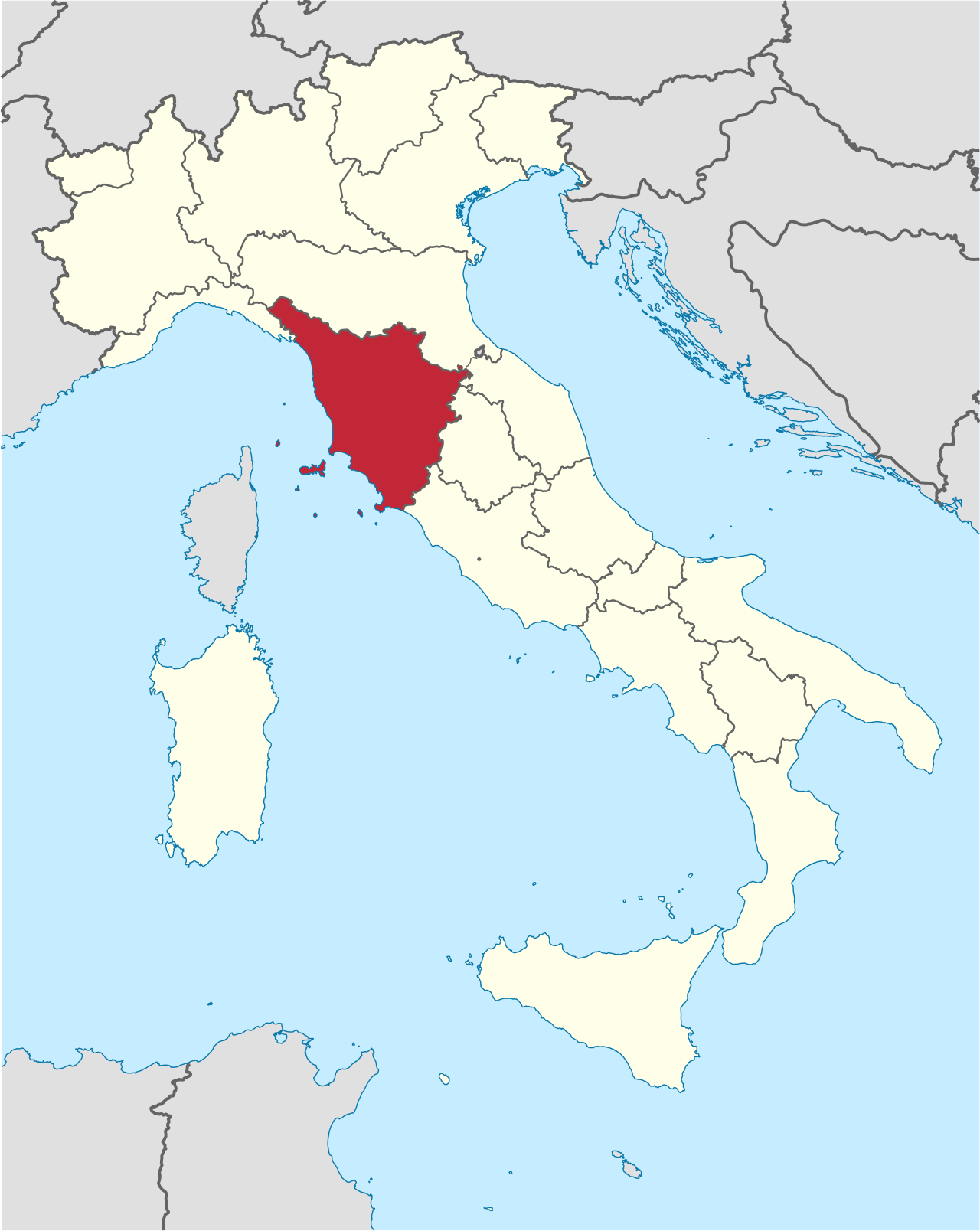
Tuscany
Geographical Tapestry
Tuscany's geography is a fundamental element in its historical and cultural development. Located in central Italy, it encompasses a diverse range of terrains, from the Apennine Mountains in the north and east to the Tyrrhenian Sea coast in the west. The iconic rolling hills, sculpted by millennia of agriculture and erosion, are not merely picturesque but represent a landscape meticulously shaped by human hands, particularly for viticulture and olive cultivation.
This agrarian heritage is deeply ingrained in the Tuscan identity and economy. The Arno River, flowing through Florence and Pisa, has historically served as a vital transportation artery and a source of water, but also a force of nature capable of devastating floods. The region's Mediterranean climate, with its distinct wet winters and dry summers, is ideal for the cultivation of olives and grapes, forming the backbone of its agricultural output and world-renowned wine industry.
This interplay between natural landscape and human intervention has created a unique environment that has fostered both artistic expression and economic prosperity.
From Etruscan Roots to Renaissance Zenith
Tuscany's historical narrative is one of profound transformation and enduring influence. Its origins trace back to the Etruscans, a sophisticated civilization that predated the Romans and left behind enigmatic artifacts and architectural remains. Following Roman conquest, Tuscany became a strategically important territory.
However, its most defining era began in the late Middle Ages and flourished during the Renaissance. Florence, in particular, emerged as a global center of commerce, banking, and, most importantly, art and humanism. Wealthy merchant families, like the Medici, patronized artists, philosophers, and architects, fostering an environment of unprecedented creativity.
This period saw the birth of masterpieces by Leonardo da Vinci, Michelangelo, Raphael, and Botticelli, fundamentally altering the course of Western art. The intellectual ferment of the Renaissance, with its emphasis on classical learning and human potential, radiated outwards from Tuscany, influencing culture, science, and politics across Europe and beyond.
The Tuscan Way of Life
Tuscan culture is characterized by a deep appreciation for beauty, tradition, and the pleasures of life, often encapsulated in the concept of 'la dolce vita.' Gastronomy plays a central role, with a culinary philosophy rooted in 'cucina povera' (peasant cooking) that emphasizes high-quality, seasonal ingredients prepared simply. Dishes like ribollita (a hearty vegetable and bread soup), pappa al pomodoro (tomato and bread soup), and the iconic Bistecca alla Fiorentina are celebrated globally. The region's wines, such as Chianti Classico, Brunello di Montalcino, and Vino Nobile di Montepulciano, are integral to its identity and economy.
Social life often revolves around family and community, with meals serving as important occasions for connection. Tuscan craftsmanship, particularly in leather goods, ceramics, and textiles, continues a long tradition of artisanal excellence. The region's enduring appeal lies in this harmonious blend of artistic heritage, refined lifestyle, and strong communal bonds.
Economic Pillars
Tuscany's economy is a multifaceted entity, balancing its rich historical legacy with modern economic drivers. Agriculture remains a cornerstone, with viticulture and olive oil production being globally recognized industries that contribute significantly to its export market and brand identity. Tourism is another colossal sector, driven by the region's unparalleled artistic heritage, picturesque landscapes, and renowned culinary scene. Cities like Florence, Siena, and Pisa attract millions of international visitors annually, supporting a vast network of hospitality, retail, and service industries.
Beyond these traditional strengths, Tuscany possesses a robust industrial base, particularly in sectors like fashion (especially footwear and leather goods), furniture manufacturing, and advanced ceramics. The region also hosts a growing number of technology and research-oriented companies, demonstrating a capacity for innovation. This diversified economic structure allows Tuscany to leverage its cultural capital while adapting to contemporary global markets.
Governance and Education
Tuscany is one of the 20 administrative regions of Italy, operating under a system of regional government established by the Italian Constitution. The regional government, led by a President and a Regional Council, holds significant autonomy in managing local affairs, including healthcare, education, transportation, and economic development. Florence serves as the regional capital, housing the primary administrative bodies.
The educational system in Tuscany mirrors that of the rest of Italy, providing compulsory education from ages 6 to 16. This includes primary school (scuola primaria), lower secondary school (scuola secondaria di primo grado), and upper secondary school (scuola secondaria di secondo grado), which offers various tracks including lyceums, technical institutes, and vocational schools. Tuscany is also home to prestigious universities, most notably the University of Florence, which is a major center for research and higher education across a wide range of disciplines, attracting students from Italy and abroad.
The region's commitment to education and cultural preservation is evident in its numerous museums, libraries, and archives, which safeguard its immense artistic and historical heritage.
Go deeper
Based on content from Wikipedia · Licensed under CC BY-SA 4.0