

Turks and Caicos Islands
Images

Beach view from the Turks and Caicos island




Opens Google Maps in new tab
Geographical Context and Environmental Significance
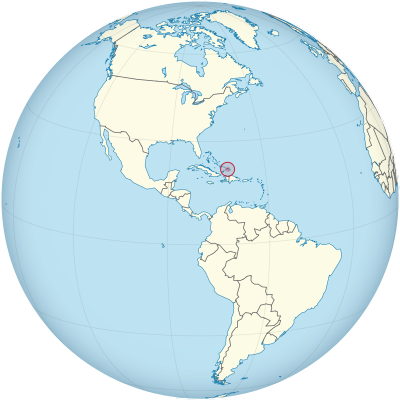
The Turks and Caicos Islands form a distinct geographical entity within the Lucayan Archipelago, comprising two primary island groups: the Turks Islands and the Caicos Islands. Situated in the northwestern Atlantic Ocean, they lie southeast of the Bahamas and north of Hispaniola. This location places them in a region characterized by coral reefs, shallow turquoise waters, and a tropical climate with distinct wet and dry seasons.
The total land area of 430 square kilometers is relatively small, but the surrounding marine environment is ecologically rich, featuring extensive coral formations and diverse marine life. This delicate ecosystem is crucial for the islands' biodiversity and is a major draw for tourism. The islands are geologically composed of limestone and are relatively flat, with the highest points rarely exceeding a few meters above sea level, making them susceptible to the impacts of climate change and sea-level rise.
Their isolation and unique environment present both opportunities and challenges for conservation and development.
Historical Trajectory
The islands' human history began with the Taíno people, who inhabited the region for centuries before European arrival. The first documented European sighting in 1512 by Juan Ponce de León marked the beginning of a complex colonial history. Over subsequent centuries, the islands were claimed and contested by various European powers, including Spain, France, and Britain.
For a significant period, they were administered indirectly through neighboring British territories, such as Bermuda, the Bahamas, and Jamaica, reflecting their strategic but often secondary importance. A pivotal moment in their modern history occurred in 1973 with the independence of the Bahamas, which necessitated the establishment of a separate governmental structure for the Turks and Caicos Islands, including the appointment of their own governor.
This transition solidified their status as a British Overseas Territory, granting them a degree of self-governance while maintaining ties to the United Kingdom. This historical evolution has shaped their political identity and administrative framework.
Socio-Cultural Fabric and Demographic Landscape
The resident population of the Turks and Caicos Islands, estimated at around 47,720 in 2022, is a diverse mosaic reflecting centuries of migration and settlement. English is the official language, a legacy of British rule, but Haitian Creole is also widely spoken, reflecting significant immigration from Haiti. The cultural landscape is a fusion of African, European, and Caribbean influences, evident in the islands' music, cuisine, and traditions.
The strong connection to the sea permeates daily life and cultural practices. The economy's reliance on tourism means that the islands are accustomed to interacting with international visitors, fostering a generally welcoming atmosphere. However, rapid economic development and population growth also present social challenges, including infrastructure strain and the need for equitable distribution of economic benefits.
The community is characterized by a blend of long-standing island families and more recent arrivals, contributing to a dynamic social environment.
Economic Pillars
The economy of the Turks and Caicos Islands is predominantly service-based, with tourism and offshore financial services serving as its twin engines. The islands' pristine beaches, coral reefs, and luxury resorts attract a high-end tourism market, generating substantial revenue through accommodation, dining, and recreational activities. This sector is a major employer, providing opportunities across various skill levels.
Complementing tourism, the offshore financial sector has developed significantly, offering services such as company registration, trusts, and banking to international clients. This industry provides a stable source of revenue and employment, though it also brings regulatory scrutiny and requires robust financial oversight. While these two sectors dominate, other economic activities, including fishing and a nascent agricultural sector, contribute to the local economy, though on a much smaller scale.
The government actively seeks to diversify the economy while managing the environmental and social impacts of its primary industries.
Governance and Educational Framework
As a British Overseas Territory, the Turks and Caicos Islands possess a parliamentary system of government under a constitutional monarchy. The United Kingdom retains responsibility for defense and external affairs, while the islands have a significant degree of internal self-governance. The head of state is the British monarch, represented by a Governor.
The head of government is the Premier, who leads the Cabinet and is responsible for domestic policy. The legislature is unicameral, consisting of the House of Assembly. The education system is structured to provide comprehensive schooling from early childhood to secondary levels, with English as the medium of instruction.
The curriculum aligns with international standards while incorporating local context. Post-secondary education opportunities are often pursued abroad, with many graduates returning to contribute to the islands' professional workforce. The government invests in education as a critical component of human capital development and long-term economic sustainability, aiming to equip citizens with the skills needed to navigate the evolving global landscape and contribute to the territory's future.
See also
Frequently Asked Questions
What are the Turks and Caicos Islands?+
Why are the islands flat and low?+
Where do the islands sit in relation to the Bahamas and Hispaniola?+
How did the islands become a British Overseas Territory?+
What is the main job of people in the Turks and Caicos Islands?+
Based on content from Wikipedia · Licensed under CC BY-SA 4.0