

Tropical Rainforests: Where the Wild Things Grow!
Images
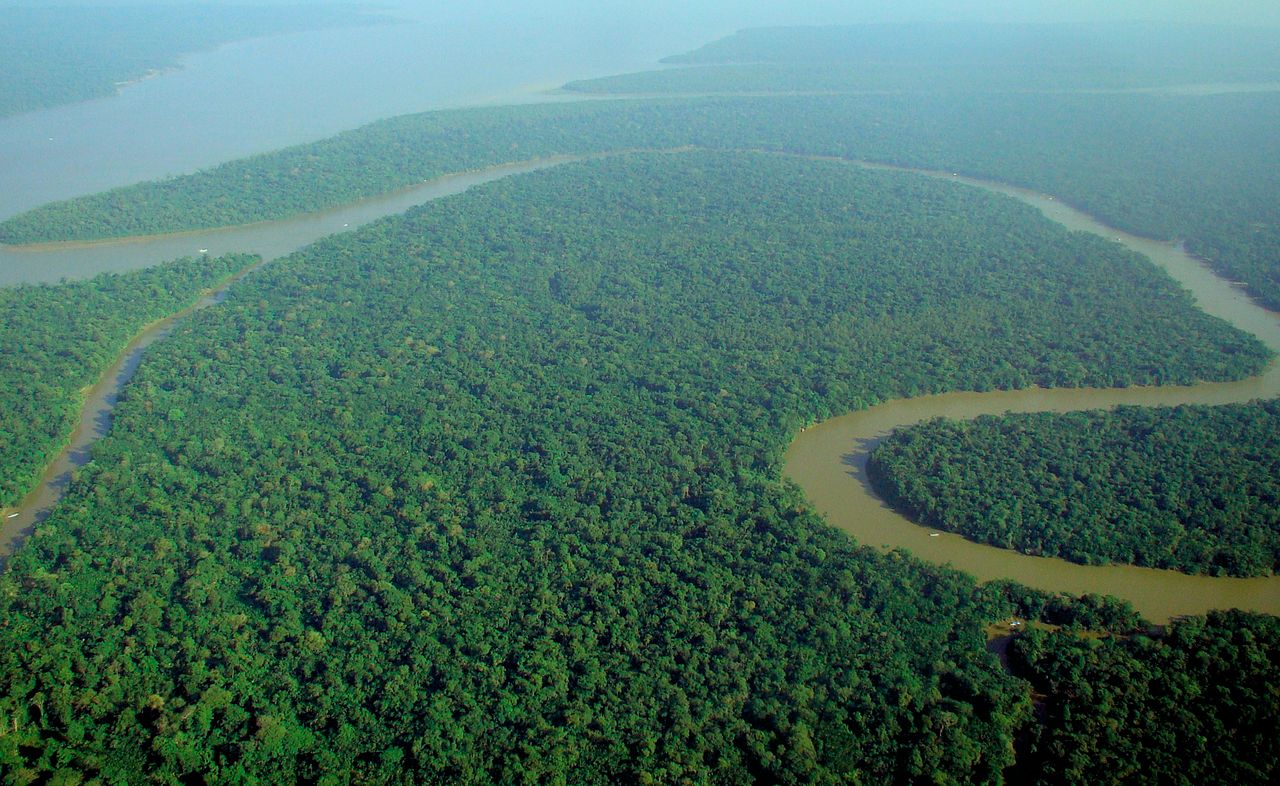
Tropical rainforest
Geographical Distribution and Climatic Drivers
Tropical rainforests are primarily situated within the equatorial belt, between the Tropic of Cancer and the Tropic of Capricorn. Major contiguous areas include the Amazon Basin in South America, the Congo Basin in Central Africa, and extensive regions in Southeast Asia, particularly on the islands of Borneo and New Guinea. These locations are defined by consistently high temperatures, averaging between 20-34°C (68-93°F) year-round, and exceptionally high precipitation, typically exceeding 2,000 mm (79 inches) annually, often distributed relatively evenly throughout the year.
This stable, warm, and wet climate is driven by global atmospheric circulation patterns, particularly the Intertropical Convergence Zone (ITCZ), which brings persistent rainfall. The high humidity and consistent solar radiation fuel rapid plant growth and decomposition, creating a unique biogeochemical cycle.
Ecological Structure and Unparalleled Biodiversity
The defining characteristic of tropical rainforests is their extraordinary biodiversity, harboring an estimated 50-80% of the world's terrestrial species. This richness is organized into distinct vertical strata: the emergent layer, composed of scattered giant trees reaching above the main canopy; the canopy itself, a dense, continuous layer of tree crowns that intercepts most sunlight; the understory, a shaded layer of smaller trees and shrubs; and the forest floor, which receives very little light.
Each stratum provides unique microhabitats and resources, fostering specialized adaptations in flora and fauna. For instance, many arboreal animals possess prehensile tails or specialized limbs for navigating the canopy, while plants may exhibit drip tips to shed excess water. This intricate web of life is highly sensitive to environmental changes, making rainforests vulnerable to disturbance.
Global Ecosystem Services and Human Dependence
Tropical rainforests provide indispensable ecosystem services that benefit the entire planet. Their immense biomass plays a critical role in the global carbon cycle, acting as significant carbon sinks by absorbing vast quantities of atmospheric CO2 through photosynthesis and storing it in vegetation and soils. This function is crucial for mitigating climate change.
Furthermore, rainforests influence regional and global weather patterns through evapotranspiration, contributing to rainfall cycles far beyond their geographical boundaries. They also act as natural filters for freshwater systems. Human dependence extends to the discovery of pharmaceuticals; a significant percentage of modern medicines are derived from rainforest plants, with many more potential cures yet to be identified.
The loss of these forests represents a loss of invaluable genetic resources and potential scientific breakthroughs.
Human Inhabitants, Cultural Heritage, and Conservation Challenges
Indigenous peoples have inhabited tropical rainforests for millennia, developing sophisticated cultures and traditional ecological knowledge deeply intertwined with their environment. These communities often possess unique languages, social structures, and sustainable resource management practices. However, these populations face immense pressure from deforestation, resource extraction, and cultural assimilation.
The primary drivers of deforestation include agricultural expansion (cattle ranching, soy cultivation, palm oil plantations), logging, mining, and infrastructure development. These activities lead to habitat fragmentation, species extinction, soil erosion, and disruption of local and global climate systems. Conservation efforts are complex, requiring a balance between protecting biodiversity, respecting indigenous rights, and addressing the economic needs of local populations and national governments.
Economic Activities and Global Trade
The economic activities within and surrounding tropical rainforests are diverse, often presenting a conflict between short-term economic gain and long-term ecological sustainability. Historically, these regions have been sources of valuable timber, rubber, and exotic fruits. Today, large-scale commercial agriculture, particularly for commodities like palm oil, soy, and beef, is a major driver of deforestation.
Logging, both legal and illegal, continues to extract timber resources. Mining operations for minerals and precious metals also contribute to forest degradation. While these industries generate significant revenue and employment, they often come at a high environmental cost.
Sustainable forestry, ecotourism, and the development of non-timber forest products offer alternative economic models that can provide livelihoods while preserving the forest ecosystem. The global demand for these commodities directly fuels the economic pressures on tropical rainforests worldwide.
Go deeper
Frequently Asked Questions
Where are tropical rainforests located?+
Why do tropical rainforests have so many different kinds of plants and animals?+
How do tropical rainforests help the planet fight climate change?+
What special things do animals in the rainforest use to live in the trees?+
Why is it important to protect tropical rainforests for medicines?+
Based on content from Wikipedia · Licensed under CC BY-SA 4.0